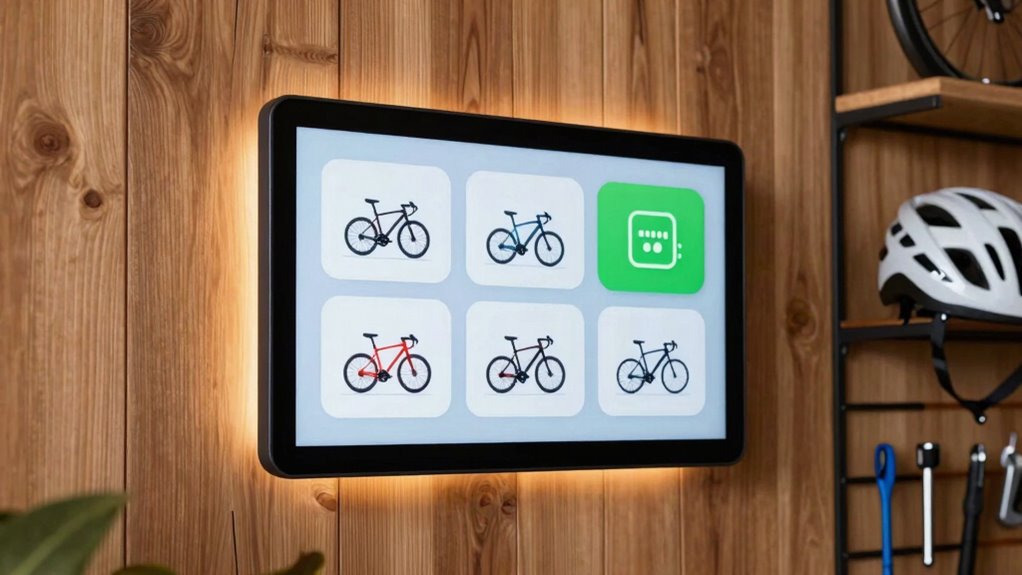

A good bike display is easy to use when it presents clear, large numbers and icons for quick recognition, so you can access essential info at a glance. It should be adjustable for different lighting, with high contrast and automatic brightness, ensuring visibility in sunlight or low light. The interface needs to be durable and weather-resistant, preventing damage from elements. For more tips on choosing the right display, keep exploring how design and eco-friendliness come into play.

Get sports gear delivered free with Prime
- Fast, free delivery on millions of items
- Prime Video, Amazon Music and more included
- Member-only deals all year
Key Takeaways
- Large, clear numbers and icons enable quick data recognition during rides.
- Adjustable brightness and high contrast enhance visibility in various lighting conditions.
- Simple, intuitive interface minimizes distraction and allows effortless access to vital information.
- Weather-resistant design ensures durability and readability in diverse environmental conditions.
- Seamless integration with the bike’s aesthetics promotes ease of use without compromising design.
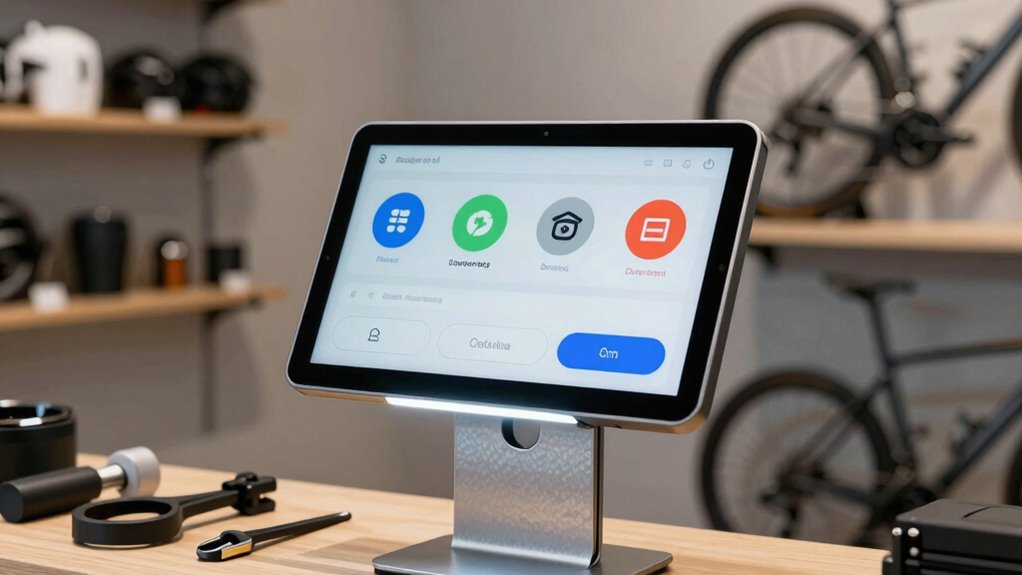
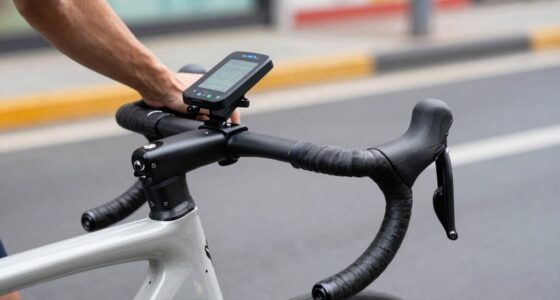
Have you ever struggled to read your bike’s display while riding? It’s frustrating when you’re trying to check your speed, remaining battery life, or other essential data, only to squint through glare or struggle with a tiny screen. A good bike display should make this process effortless, especially in the middle of a ride. One of the most critical factors is screen readability. If the display’s fonts are tiny or the contrast is poor, you’ll find yourself taking your eyes off the road longer than you should. An ideal display offers clear, large numbers and easy-to-read icons, with adjustable brightness to adapt to different lighting conditions. Bright sunlight can wash out dim screens, so look for displays with high contrast and automatic brightness adjustments. This ensures you can glance at your stats quickly without straining your eyes or losing focus on the road ahead. Additionally, incorporating biodiversity principles into design choices can promote eco-friendly manufacturing practices for these devices, aligning with sustainable living practices. Furthermore, choosing displays made with environmentally conscious materials can reduce the overall ecological impact of your bike accessories. Using energy-efficient components can also contribute to a more sustainable and eco-friendly product lifecycle. When selecting a display, considering recyclability can help ensure the device’s end-of-life disposal is environmentally responsible. Incorporating durability and weather resistance into the design can also enhance the longevity and usability of the display in various riding conditions.
bike display with large clear numbers
As an affiliate, we earn on qualifying purchases.
As an affiliate, we earn on qualifying purchases.
Frequently Asked Questions
Can Bike Displays Be Customized for Different Riding Styles?
Yes, bike displays can be customized for different riding styles. You can adjust settings through bike display customization options to match your riding style preferences, whether you’re into mountain biking, road cycling, or commuting. This flexibility allows you to prioritize metrics like speed, cadence, or navigation. By tailoring the display to your needs, you enhance your riding experience and guarantee the information shown is most relevant and useful for your specific style.
How Durable Are Bike Displays in Extreme Weather Conditions?
Think of your bike display as a sturdy shield against the elements. Weather resistance and material durability are essential; many models withstand rain, mud, and extreme temperatures thanks to rugged plastics and sealed circuits. I once rode through a torrential downpour, and my display kept working flawlessly—proof that quality materials and weatherproof design truly matter. With the right features, your display remains reliable, no matter how harsh the weather gets.
Do Bike Displays Require Professional Installation or Setup?
Bike displays generally don’t require professional installation; most feature straightforward user setup. You can easily install the bike display yourself by following the manufacturer’s instructions, which often include mounting brackets and simple wiring or wireless connections. This user setup process is designed to be quick and intuitive, allowing you to get riding without delay. Just make certain you carefully follow the bike display installation steps to ensure everything functions correctly and safely.
Are There Compatibility Issues With Certain Bike Models?
Yes, there can be compatibility issues with certain bike models. You should check if the display supports Bluetooth connectivity, which is essential for pairing with your bike’s system. Also, consider the screen size; a larger screen might not fit well on all bikes. Always verify the display’s compatibility with your specific bike model before purchasing, ensuring seamless installation and peak performance.
How Often Should the Display’s Firmware Be Updated?
You should check for firmware updates regularly, ideally every few months, to guarantee your bike display functions at its best. Firmware updates improve performance, fix bugs, and add new features. Incorporate these updates into your maintenance schedule to keep your display reliable and easy to use. Don’t wait too long, as outdated firmware can cause compatibility issues or reduce usability. Staying proactive with updates enhances your riding experience.
Conclusion
So, next time you’re dazzled by a bike display’s flashy features, remember: all you really need is something simple, intuitive, and easy to read. Ironically, the most complicated screens often distract you from the joy of riding. Sometimes, the best displays are the ones that disappear into the background, letting you focus on the road—and not on deciphering a confusing menu. After all, isn’t that what a good bike display is supposed to do?
Halloween Picks
halloween
As an affiliate, we earn on qualifying purchases.