
Some handlebars reduce fatigue better because they are designed with ergonomic shapes that promote natural hand and wrist positioning, which minimizes strain during long rides. High-quality materials like carbon fiber or aluminum absorb shocks and vibrations, preventing tension from building up in your muscles. These features help you stay comfortable and focused, allowing for longer rides without discomfort. If you’d like to discover more about how specific handlebar designs enhance comfort, keep exploring the details.
Key Takeaways
- Ergonomic shapes promote natural wrist and hand positioning, decreasing strain during long rides.
- Proper handlebar height and width improve posture, reducing muscle tension and fatigue.
- High-quality, durable materials absorb shocks and vibrations, minimizing muscle fatigue.
- Designs that support ergonomic principles help distribute pressure evenly across hands and wrists.
- Combining ergonomic design with durable materials enhances comfort, stability, and overall riding endurance.
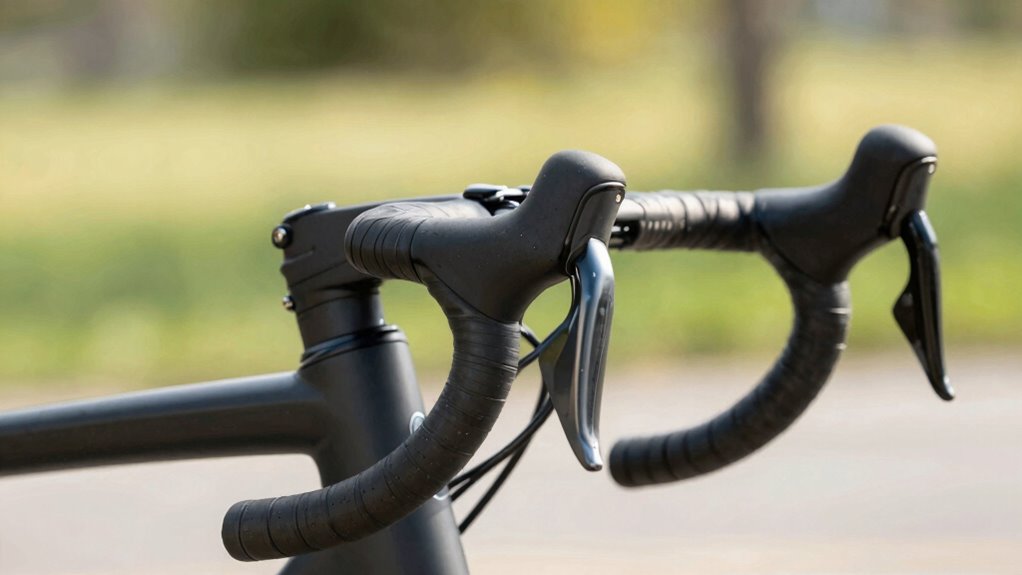
Have you ever noticed how handlebars can contribute to fatigue during long rides? The way your hands, wrists, and shoulders feel after hours on the bike often depends on the design and material of your handlebars. Some handlebars are crafted with ergonomic design principles that help reduce strain, while others use durable materials that withstand the rigors of frequent riding without losing shape or comfort. Choosing the right handlebars isn’t just about style; it’s about how effectively they support your body and minimize fatigue over time.
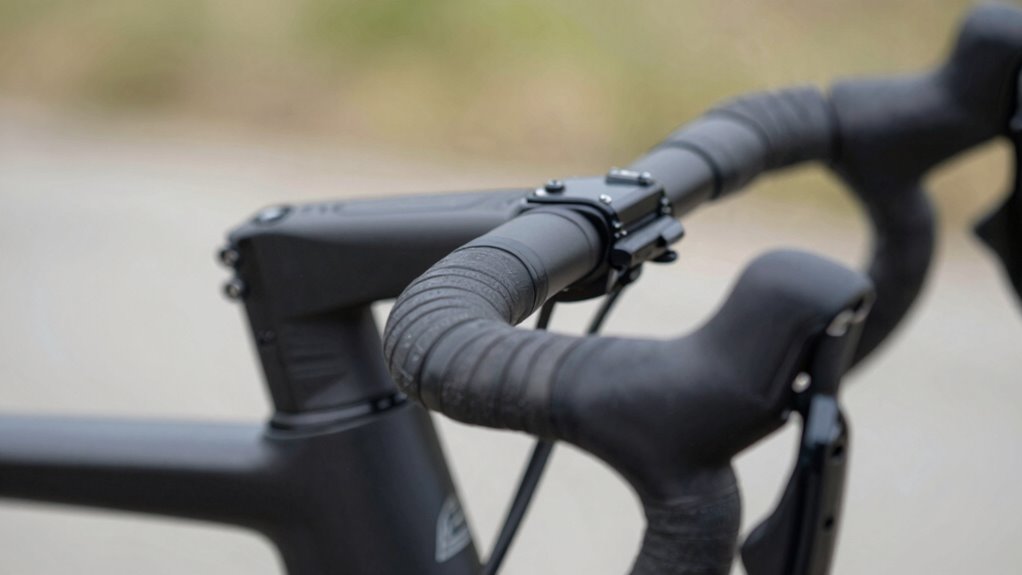
Ergonomic design plays a crucial role in keeping you comfortable on extended rides. When handlebars are shaped to match the natural curves of your hands and wrists, you experience less pressure and tension. Features like flat tops, slight rises, or ergonomic grips directly influence how your weight is distributed across your hands. These designs also promote better wrist positioning, reducing numbness and soreness. If your handlebars are poorly designed, you might find yourself constantly adjusting your grip or experiencing discomfort, which leads to fatigue that hampers your endurance and enjoyment. Incorporating ergonomic principles into handlebar design can significantly enhance riding comfort and reduce strain. Additionally, proper handlebar height and width further contribute to riding ergonomics, ensuring optimal posture and comfort. Paying attention to handlebar shape can make a considerable difference in fatigue levels during long rides.
Properly shaped handlebars reduce pressure, promote wrist comfort, and prevent fatigue on long rides.
Material durability contributes equally to reducing fatigue. High-quality handlebars are made from materials that can endure daily use without bending, cracking, or losing their shape. Lightweight yet strong materials like aluminum alloys or carbon fiber are popular choices because they provide a sturdy feel without adding unnecessary weight. When handlebars are durable, you don’t have to worry about vibrations or shocks traveling up the stem and into your arms, which can cause muscle fatigue. Instead, you get a stable, smooth ride, even on rough terrains. Plus, durable materials ensure the handlebars maintain their ergonomic shape over time, preventing changes that could lead to discomfort or misalignment. Material durability is essential for maintaining consistent comfort and performance, especially during demanding rides. Furthermore, the use of high-quality materials often results in better shock absorption, which can further reduce fatigue.
The combination of ergonomic design and material durability creates a setup that supports your body’s natural position and absorbs shocks effectively. This synergy reduces the strain on your hands, wrists, shoulders, and neck, allowing you to ride longer without feeling exhausted. When you invest in handlebars that are thoughtfully designed and made from resilient materials, you’re not just improving comfort—you’re enhancing your overall riding experience. Fatigue becomes less of a concern, and you can focus more on enjoying the ride or pushing your limits.
In the end, selecting handlebars that prioritize ergonomic design and material durability helps you ride more efficiently, comfortably, and longer. When your hands and body are properly supported, fatigue diminishes, and your rides become more enjoyable and less taxing. It’s a smart upgrade that makes a noticeable difference for anyone who spends significant time on their bike.
As an affiliate, we earn on qualifying purchases.
Frequently Asked Questions
How Do Handlebar Materials Affect Fatigue Reduction?
Handlebar materials greatly influence fatigue reduction through handlebar ergonomics and material durability. Softer, vibration-absorbing materials like carbon fiber or foam improve comfort, reducing hand and arm fatigue during long rides. Durable materials like aluminum ensure stability and consistent performance without added weight. Choosing handlebars with the right material balances comfort and strength, helping you ride longer without discomfort. Your selection directly impacts how your hands and arms feel over extended cycling sessions.
Are Custom Handlebar Shapes More Effective for Fatigue Relief?
Custom handlebar shapes are like tailored armor, specifically crafted for your ride. They can better fit your ergonomic grip, aligning with your body’s natural posture and reducing strain. By incorporating handlebar padding and designing shapes that suit your riding style, they offer targeted comfort and support. This personalization enhances fatigue relief, making your ride smoother and less tiring, much like a well-fitted glove that molds perfectly to your hand.
What Cycling Styles Benefit Most From Specialized Handlebars?
You benefit most from specialized handlebars if you’re into long-distance road cycling or triathlons. These handlebars often feature ergonomic grips to reduce strain and an aerodynamic design to improve efficiency. By adopting these features, you can maintain a comfortable posture, lessen fatigue, and enhance your overall performance. Whether you’re tackling extended rides or racing, specialized handlebars help you stay comfortable and focused on your goals.
Can Handlebar Adjustments Improve Long-Term Fatigue Outcomes?
Adjusting your handlebars can ensure long-term fatigue outcomes. When you optimize for ergonomic grips and vibration damping, you reduce strain on your hands and arms, preventing fatigue build-up. Proper adjustments ensure your posture stays comfortable, minimizing muscle tension and joint stress. Over time, these small tweaks help you ride longer with less discomfort, proving that thoughtful handlebar setup is a key factor in reducing cycling fatigue and enhancing overall endurance.
Do Handlebar Accessories Influence Fatigue Levels?
Yes, handlebar accessories can influence your fatigue levels. Ergonomic grips help reduce strain on your hands and wrists, making riding more comfortable. Vibration dampening features absorb shocks from rough terrain, preventing fatigue from constant jarring. By choosing accessories with these features, you can lessen muscle tension and fatigue, especially on long rides, allowing you to ride longer and more comfortably without unnecessary discomfort.
Conclusion
Choosing the right handlebars can make all the difference in reducing fatigue. When you select handlebars that fit your riding style, match your hand position, and distribute pressure evenly, you’ll experience less strain, less discomfort, and more enjoyment on every ride. It’s about making comfort your priority, embracing the right grip, and optimizing your posture. So, prioritize your handlebars, personalize your grip, and ride longer, stronger, and pain-free every time.