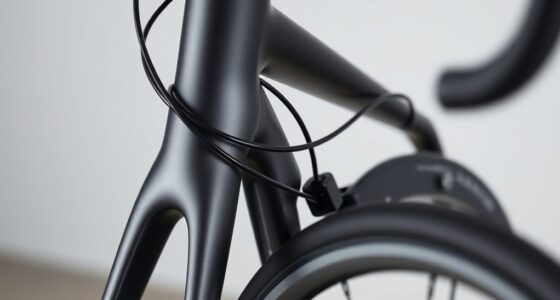
Many daily riders overlook simple ergonomic tweaks and padding upgrades that can make a huge difference in comfort. Adjusting your handlebar angle, changing seat height, or adding gel pads can reduce muscle strain and fatigue. Investing in better padding absorbs road vibrations and keeps you relaxed on long rides. Small changes like these improve control, lessen soreness, and keep you comfortable all day. Keep exploring, and you’ll discover even more ways to upgrade your ride.

Get sports gear delivered free with Prime
- Fast, free delivery on millions of items
- Prime Video, Amazon Music and more included
- Member-only deals all year
Key Takeaways
- Small ergonomic adjustments like handlebar angle tweaks can significantly enhance daily comfort.
- Upgrading to high-quality padding, such as memory foam or gel inserts, often goes unnoticed but improves ride support.
- Custom seat fitting with additional pads reduces numbness and soreness during long commutes.
- Adding ergonomic accessories like backrests or knee pads can prevent strain and improve posture.
- Investing in vibration-absorbing padding minimizes fatigue on rougher roads, often overlooked by daily riders.
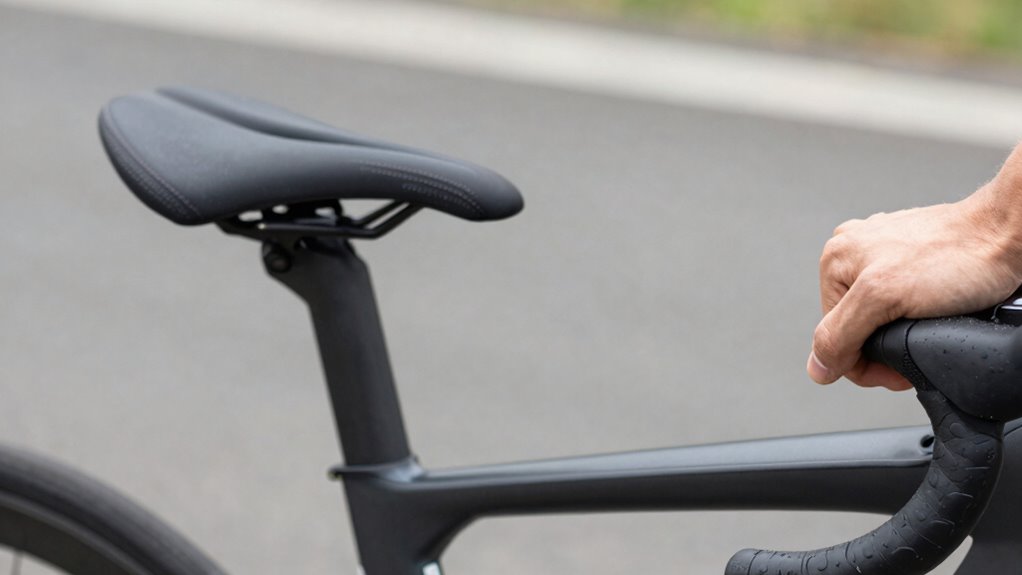
If you’re commuting every day, small comfort upgrades can make a big difference in your ride. One of the most overlooked areas is motorcycle ergonomics. You might think that adjusting your riding position is only for long trips, but even during short daily commutes, proper ergonomics can reduce fatigue and prevent discomfort. Ensuring your handlebars, footpegs, and seat height are aligned with your body’s natural posture helps your muscles relax and reduces strain. Simple adjustments like changing handlebar angles or footpeg positions can make your ride feel more natural, less stressful, and more enjoyable. When your body isn’t fighting to stay comfortable, you’ll arrive at your destination feeling fresher and less sore. proper ergonomics can also positively impact your overall safety by improving control and reducing the risk of strain injuries. Another often-neglected upgrade is seat padding options. The seat’s comfort plays a pivotal role in your daily ride, yet many riders stick with stock seats that might be hard or poorly contoured. Investing in quality seat padding options can dramatically improve your experience. Memory foam, gel inserts, or even custom cushions can add much-needed cushioning and support, especially during longer commutes. Not only do these padding options absorb vibrations and bumps from the road, but they also help maintain correct posture, reducing pressure points on your hips, tailbone, and lower back. Additionally, choosing padding with vibration absorption capabilities can further enhance comfort during rougher rides. Many riders overlook the importance of customizing their seat to better fit their body shape. Even small modifications like adding a gel pad or swapping out the stock seat for one with more ergonomic support can make a significant difference. When your seat conforms better to your body, you’re less likely to experience numbness or soreness after a short ride. Proper seat adjustments can also contribute to a more relaxed riding experience, preventing unnecessary fatigue. Improving your seat comfort with customizable options allows you to adapt more easily to different riding conditions, making your daily commute more pleasant. Additionally, exploring different ergonomic accessories such as backrests or knee pads can further tailor your riding setup to your comfort needs. Plus, some padding options are adjustable, allowing you to fine-tune your comfort level on any given day. This flexibility means you can adapt your seat to your specific needs, whether you’re commuting in city traffic or cruising on open roads.
ergonomic handlebar grips for bikes
As an affiliate, we earn on qualifying purchases.
As an affiliate, we earn on qualifying purchases.
Frequently Asked Questions
How Do I Choose the Right Saddle for Daily Riding Comfort?
To choose the right saddle for daily riding comfort, start by considering your bike frame and riding style. Test different saddles to find one that fits your anatomy and supports your pelvis comfortably. Make sure your riding shoes match the saddle height and position, enhancing overall comfort. Prioritize a saddle with good padding and a shape that relieves pressure points, ensuring a smooth, pain-free commute every day.
What Are Subtle Ways to Reduce Wind Fatigue?
Oh, sure, just wish away wind fatigue with a superhero cape—wouldn’t that be handy? Instead, try layering smartly with wind-resistant clothing, which blocks pesky airflow. Tucking in your jersey or using a windbreaker minimizes wind resistance, making your ride smoother. Small adjustments like these trick your body into feeling less battered, so you can breeze through headwinds without turning into a human wind sock.
Are There Ergonomic Accessories for Better Posture?
Yes, ergonomic accessories like padded seat cushions and handlebar grips improve your posture on longer rides. Wearing proper cycling apparel also helps maintain comfort and alignment. Additionally, installing good bike lighting enhances visibility, reducing stress and fatigue. These subtle upgrades support your body’s natural position, prevent discomfort, and make daily rides more enjoyable. Prioritize ergonomic accessories and cycling apparel to stay comfortable and avoid unnecessary strain during your rides.
How Can I Prevent Numbness During Long Rides?
To prevent numbness during long rides, you need to act before discomfort hits. Start by wearing cycling gloves with padding to reduce pressure on your hands, and opt for padded shorts that cushion your sit bones. Adjust your riding position frequently to avoid sustained pressure points. Hydrate well and take short breaks to stretch. These simple upgrades keep you comfortable and focused, ensuring you ride longer without numbness stealing your enjoyment.
What Maintenance Is Needed for Comfort-Focused Upgrades?
To maintain comfort-focused upgrades, you should regularly perform bike cleaning to prevent dirt buildup that can cause discomfort. Check your tire pressure frequently, ensuring it’s at the recommended level for a smoother ride. Properly inflated tires reduce vibrations and numbness during long rides. Additionally, inspect your seat and handlebar adjustments to keep them aligned with your body’s needs, making sure your upgrades continue to provide maximum comfort every time you ride.
Conclusion
Upgrading your bike for comfort doesn’t have to be complicated or costly. Even small tweaks, like switching to ergonomic grips or adjusting your seat height, can make a big difference on long rides. Imagine a daily rider named Sarah who added gel padding to her saddle; she now rides 10 miles daily without discomfort, boosting her motivation and enjoyment. Don’t overlook these simple upgrades—they can turn your routine commute into a more comfortable, enjoyable experience.
Halloween Picks
halloween
As an affiliate, we earn on qualifying purchases.