When balancing rolling resistance and aerodynamics, you want to find a sweet spot where your tires provide enough grip without adding excessive energy loss, while smooth airflow reduces drag for better speed and efficiency. Softer tires with more grip increase rolling resistance, requiring more power, but improve handling. Good aerodynamics minimize drag, boosting speed and fuel economy. Adjustments in one often affect the other; exploring these interactions can help you optimize your vehicle’s performance effectively.
Key Takeaways
- Reducing tire grip increases rolling resistance due to more deformation and energy loss in softer tires.
- Improving aerodynamics decreases drag, boosting vehicle speed and fuel efficiency but may impact tire grip.
- Enhancing airflow features can lower drag but might reduce tire traction if not carefully balanced.
- Optimizing vehicle performance involves balancing low rolling resistance with sufficient tire grip for handling.
- Adjustments to aerodynamics and tires often involve trade-offs affecting stability, efficiency, and safety.
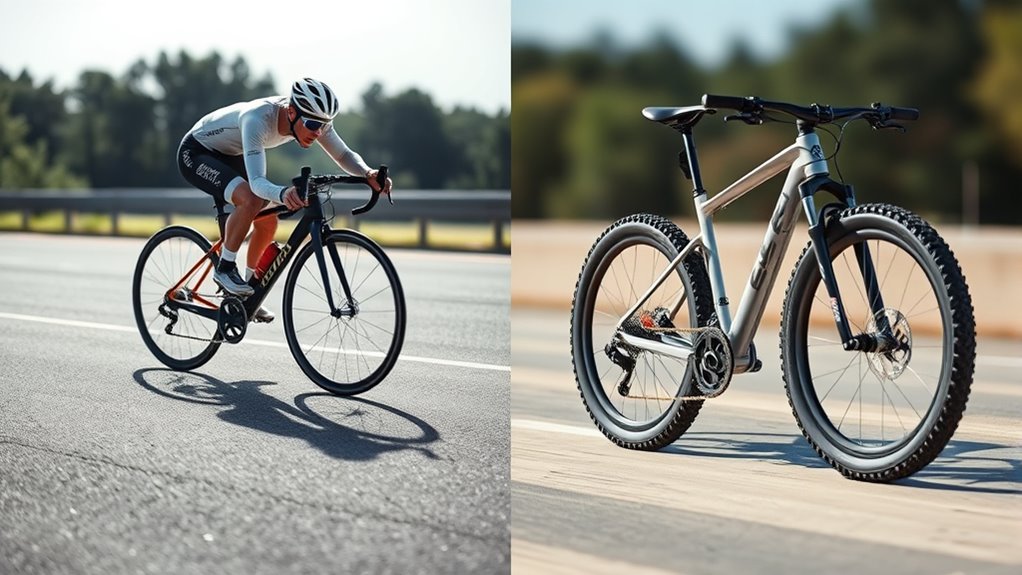
When optimizing a vehicle’s performance, understanding the trade-off between rolling resistance and aerodynamics is vital. These two factors directly influence how efficiently your vehicle moves and how much energy it consumes. To improve overall performance, you need to consider how tire grip and airflow management work together and sometimes oppose each other. Tire grip is essential for maintaining control and safety, but it also affects rolling resistance. Softer tires with more grip tend to have higher rolling resistance because they deform more under load, which wastes energy. Conversely, harder tires with less grip roll more easily, reducing resistance but potentially compromising handling. Striking the right balance means selecting tires that offer enough grip for your driving needs without creating excessive resistance that drags down performance.
Airflow management, on the other hand, focuses on how air moves around your vehicle. Good airflow reduces drag, allowing you to cut through the air more efficiently. Aerodynamically optimized shapes and features like spoilers or diffusers help manage airflow, decreasing turbulence and drag forces. This can considerably improve fuel economy and top speed. But improving aerodynamics often involves adding components that alter the vehicle’s shape or surface texture, which can impact tire grip. For example, low-profile tires and smooth wheel designs may reduce rolling resistance and improve airflow, but they could also compromise traction if not chosen carefully. The key lies in understanding how these elements interact: better airflow management can decrease aerodynamic drag, but if it comes at the expense of tire grip, your vehicle might become less stable, especially during high-speed turns or in adverse conditions.
When balancing these factors, you need to think about your specific driving conditions and goals. If you prioritize high-speed efficiency, focusing on aerodynamics and airflow management might be more beneficial. However, if your driving involves a lot of cornering or variable road surfaces, maintaining adequate tire grip becomes more vital, even if it means accepting higher rolling resistance. Additionally, local business hours or the availability of specialized equipment can influence your choice of performance modifications. Ultimately, optimizing performance involves making informed choices—selecting tires with the right tread compound and design to maximize grip while minimizing resistance, and designing or modifying bodywork to streamline airflow without sacrificing handling. It’s a continuous process of fine-tuning, where small adjustments can lead to notable gains. By understanding how tire grip and airflow management influence rolling resistance and aerodynamics, you can craft a vehicle setup that best suits your driving style and performance objectives.

Petlas Velox Sport PT741 UHP Summer 205/40ZR17 84W XL Passenger Tire
- Intended for sports cars and performance vehicles: Suitable for sports cars, coupes, sedans
- Enhanced wet and dry handling: Full silica tread compound for better grip
- Improves fuel efficiency: Low rolling resistance design
As an affiliate, we earn on qualifying purchases.
As an affiliate, we earn on qualifying purchases.
Frequently Asked Questions
How Do Tire Pressure and Shape Affect Rolling Resistance?
Lower tire pressure reduces rolling resistance by decreasing tire deformation, allowing the tire to conform more easily to the road, which minimizes energy loss. Proper shape optimization, like a smooth, streamlined tire profile, also helps reduce deformation and air drag. Keep your tires properly inflated and choose tires with an optimized shape to improve efficiency, save energy, and enhance your ride quality.
Can Aerodynamics Improve Fuel Efficiency in Non-Automotive Vehicles?
Did you know that improving aerodynamics can boost fuel efficiency by up to 25%? In non-automotive vehicles, like boats or aircraft, better aerodynamics reduces drag, saving energy. You can harness solar power and wind energy more effectively by designing streamlined shapes, making energy use more sustainable. Incorporating aerodynamic features helps maximize these renewable sources, ultimately lowering emissions and reliance on fossil fuels.
What Materials Are Best for Reducing Rolling Resistance?
You should choose tires with low rolling resistance, focusing on those with minimal tire tread and optimized sidewall stiffness. Softer treads increase rolling resistance, so go for smooth, lightweight tread designs. Stiffer sidewalls reduce flexing, helping your vehicle roll more efficiently. Materials like silica-infused rubber and specialized compounds also lower rolling resistance. These choices help you improve fuel efficiency by reducing the energy needed to keep your vehicle moving.
How Does Vehicle Speed Influence the Impact of Aerodynamics?
Imagine driving your car at 70 mph, feeling the wind push against you. As speed increases, aerodynamics become more essential, impacting vehicle stability and fuel efficiency. Wind tunnel testing shows that at higher speeds, streamlined designs reduce drag considerably. You’ll notice that aerodynamic improvements make a big difference in maintaining stability and saving fuel, especially on highways, where increased vehicle speed amplifies the importance of good aerodynamics.
Are There Trade-Offs Between Optimizing for Aerodynamics and Rolling Resistance?
You face trade-off analysis when optimizing for aerodynamics and rolling resistance because improving one often worsens the other. In your design considerations, sleek shapes reduce drag but may increase rolling resistance due to softer tires or different materials. You need to balance these factors carefully, considering your vehicle’s purpose and typical speeds, to achieve the best overall efficiency without compromising comfort or stability.
Conclusion
So, whether you’re battling rolling resistance or chasing aerodynamics, remember it’s like choosing between a turtle and a jet. You could glide smoothly with slick aerodynamics, or slowly slog along with high rolling resistance, resembling a turtle stuck in molasses. Ultimately, it’s your race—do you want to cruise like a sleek bird or crawl like a sluggish snail? Pick your battle, but don’t forget: the road’s long, and neither option guarantees victory.