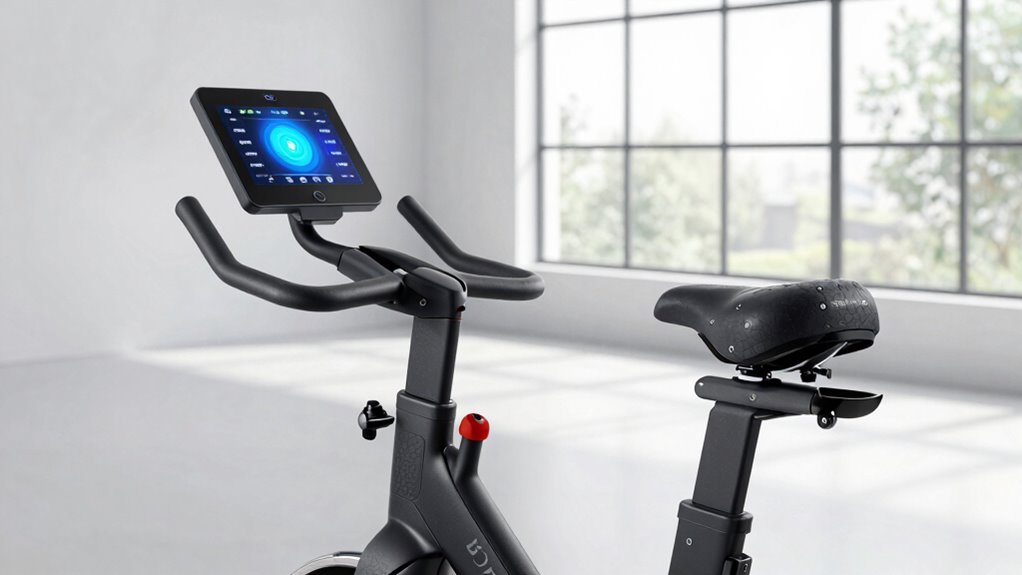

Smart bikes are all-in-one units with built-in frames, handlebars, and screens, offering immersive virtual reality experiences in a convenient, streamlined package. Smart trainers, on the other hand, attach to your existing bike and convert it into a high-tech trainer with precise resistance control. They’re more versatile and portable but usually require external displays for virtual environments. Want to discover which option best fits your fitness goals? Keep exploring for more details.
Prime for Young Adults — start your free trial
Fast free delivery, streaming and member deals for eligible 18–24 year olds.
As an affiliate, we earn on qualifying purchases.
Key Takeaways
- Smart bikes are all-in-one units with built-in frames, handlebars, and screens, while smart trainers attach to existing bikes for resistance training.
- Smart bikes offer integrated immersive VR experiences, whereas smart trainers typically require external devices for virtual environments.
- Smart trainers excel in precise resistance control and virtual route simulation, providing more customization options.
- Smart trainers are more versatile, compatible with various bikes and apps, and easier to set up and transport.
- Smart bikes are designed for an all-in-one, user-friendly experience, often at a higher cost and bulkier size.
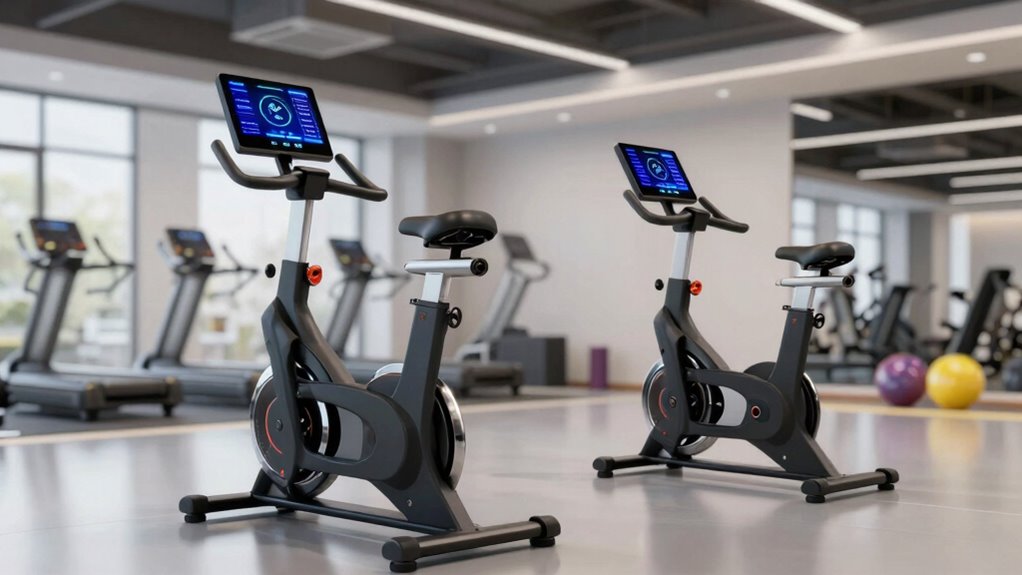
When it comes to indoor cycling, understanding the difference between smart bikes and smart trainers can help you choose the right setup for your fitness goals. Both options bring advanced technology into your workout, but they serve different needs and offer unique features. Smart bikes are all-in-one units that include a built-in bike frame, handlebars, and often a screen for immersive experiences. Smart trainers, on the other hand, are devices you attach to your existing bike, transforming it into a high-tech indoor trainer. This means you can stick with your preferred bike while upgrading your setup with resistance control and interactive features.
If you’re interested in virtual reality, smart bikes often come with integrated screens or compatibility with VR platforms, creating a more immersive ride. You can virtually cycle through scenic routes or compete against others in a digital environment, making your workouts engaging and realistic. Smart trainers also support virtual reality integrations, but they usually require a separate display device like a tablet or computer. The key difference lies in the experience: smart bikes often have built-in screens, providing a more seamless VR experience, while smart trainers rely on external devices to deliver similar virtual environments.
Resistance customization is another critical factor. Smart trainers excel here because they can precisely simulate different terrains and resistance levels, responding instantly to your inputs. Whether you’re climbing a steep hill or sprinting on flat terrain, the trainer adjusts resistance automatically based on the workout program or virtual route you’re following. Many smart trainers support resistance control via Bluetooth or ANT+ technology, allowing apps to fine-tune the difficulty in real time. Smart bikes also offer resistance adjustment, but they tend to focus more on ride feel and comfort rather than extensive resistance customization. They typically have preset resistance levels or manual controls, making them easier for casual riders but less precise for targeted training. Additionally, the compatibility with various training apps enhances the functionality of smart trainers, allowing for a more personalized and engaging workout experience. Moreover, compatibility with different bikes makes smart trainers a flexible choice for cyclists with various bike types and sizes. Furthermore, the ease of setup for smart trainers often makes them more appealing to those who want quick and straightforward installation. Besides, many smart trainers are designed to be compact and portable, adding to their convenience for storage or transport.
In terms of setup flexibility, smart trainers are more versatile because you can use your existing bike, saving money and storage space. Smart bikes are usually bulkier and more expensive since they include the entire bike frame and components. If your goal is high-intensity training with customized resistance and immersive virtual reality experiences, a smart trainer paired with your bike might be the best choice. Conversely, if you prefer an all-in-one solution with a streamlined, user-friendly design, a smart bike with integrated VR capabilities could suit your needs better. Ultimately, knowing how each device enhances your virtual reality experiences and resistance customization helps you make an informed decision aligned with your fitness ambitions.
smart indoor cycling bike with screen
As an affiliate, we earn on qualifying purchases.
As an affiliate, we earn on qualifying purchases.
Frequently Asked Questions
Are Smart Bikes Compatible With All Cycling Apps?
Smart bikes are generally compatible with most popular cycling apps, but you should double-check specific app requirements for virtual cycling and resistance adjustment. Many smart bikes sync seamlessly, allowing you to enjoy immersive virtual routes and control resistance easily. However, some models may have limited compatibility, so make sure your smart bike supports the apps you want to use for a suitable experience. Always verify compatibility before purchasing.
How Do Smart Trainers Simulate Outdoor Terrain?
You might be surprised that 85% of smart trainer users say it feels like real outdoor riding. Smart trainers simulate virtual terrain by adjusting resistance based on the course’s elevation and terrain features. They use resistance simulation to mimic uphill climbs or downhill descents, creating a realistic experience. This technology helps you train effectively indoors, matching outdoor conditions and keeping your workouts engaging and challenging.
Can I Use a Smart Trainer Without a Bike?
You can’t use a smart trainer without a bike, as it’s designed to attach to your existing bike for indoor cycling. Smart trainers connect to fitness tracking apps, providing real-time data and immersive training. They simulate outdoor terrain, making indoor workouts more engaging. To get the most out of your smart trainer, make sure it’s compatible with your bike and preferred apps, so you can track your progress and stay motivated.
What Maintenance Is Required for Smart Bikes?
You’ll need to perform routine maintenance on your smart bike, like regular bike cleaning to keep components in top condition. Check your tires frequently for wear and maintain proper tire pressure to guarantee smooth rides. Additionally, lubricate the chain and moving parts as needed, and inspect the brakes and gears for proper function. Staying on top of these tasks will extend your bike’s lifespan and improve your overall riding experience.
Do Smart Trainers Require a Power Source?
Yes, smart trainers do require a power source. They depend on electrical requirements for features like data transmission, resistance control, and connectivity. Power consumption varies depending on the model, with some needing a standard outlet and others using rechargeable batteries. You’ll want to check the specific electrical requirements of your trainer to guarantee proper setup and operation. Keep in mind that consistent power supply guarantees peak performance and accurate training data.
Conclusion
Whether you choose a smart bike or a smart trainer, understanding their differences helps you find the perfect fit for your training. For instance, imagine a cyclist using a smart trainer to simulate mountain climbs indoors during winter, maintaining fitness year-round. Ultimately, both options boost your performance with interactive features, so pick what matches your space, budget, and goals. With the right gear, you’ll stay motivated and ride smarter, no matter the season.
Fall yard work Picks
leaf blowers
As an affiliate, we earn on qualifying purchases.