
Some sunglasses work better in mixed light because they combine advanced technologies like polarized lenses and photochromic materials. Polarized lenses reduce glare from reflective surfaces, while photochromic lenses automatically adjust to changing light levels. This means you’ll get clear vision and eye protection whether you’re in bright sunlight or shaded areas. These features help prevent eye strain and improve safety, offering comfort across different environments. Keep exploring to discover how these smart features can benefit your outdoor experience.

Get sports gear delivered free — and shop member deals
- Fast, free delivery on millions of items
- Access to Prime Big Deal Days deals on October 6–7
- Prime Video, Amazon Music and more included
Key Takeaways
- Sunglasses with photochromic lenses automatically adjust tint based on UV exposure, suitable for varying light conditions.
- Polarized lenses reduce glare from reflective surfaces, improving visibility in bright, mixed lighting environments.
- Combining polarized and photochromic technologies offers continuous protection and clarity across different lighting situations.
- Advanced lens materials enhance comfort and reduce eye strain during fluctuating outdoor light levels.
- Adaptive sunglasses provide seamless transition between bright sunlight and shaded areas, ensuring consistent visual comfort.

When dealing with mixed light conditions, choosing the right sunglasses becomes vital for clear vision and eye protection. You need eyewear that adapts seamlessly to changing lighting, which is where sunglasses with polarized lenses and photochromic technology shine. Polarized lenses are designed to reduce glare from reflective surfaces like water, glass, or roads. This feature is especially useful when you move from bright sunlight into shaded areas or when sunlight bounces off water, snow, or other reflective surfaces. By blocking horizontal light waves, polarized lenses help you see more clearly, reduce eye strain, and improve safety during activities like driving, fishing, or hiking.
On the other hand, photochromic technology offers a different kind of adaptability. These lenses automatically darken in response to UV rays, adjusting to the current lighting conditions. When you step into a shaded spot or move from sunlight into a cloud cover, photochromic lenses shift smoothly from clear or lightly tinted to darker shades, and then back again when the light diminishes. This dynamic response means you don’t have to switch glasses or fiddle with adjustable lenses, making them incredibly convenient for everyday use. They’re especially useful in environments where lighting conditions change frequently and unpredictably, such as during outdoor sports, running errands, or commuting. Light adaptation is a key feature that enhances their usefulness in fluctuating environments.
What makes some sunglasses work better in mixed light is their ability to combine these technologies or incorporate features like photochromic lenses into polarized frames. Sunglasses with polarized lenses are excellent at cutting glare but may not automatically adapt to changing light levels. When you add photochromic technology, you get a versatile pair that offers both glare reduction and automatic adjustment to light conditions. This combination guarantees you get clear vision, reduced eye fatigue, and protection, whether you’re under direct sunlight or in shaded areas. Additionally, lens technology plays a crucial role in enhancing your overall visual experience in mixed lighting conditions.
Choosing sunglasses with these features means you’re not stuck with a pair that only works in bright sunlight. Instead, you get eyewear that responds to your environment, providing consistent protection and improved visual comfort. It’s a smarter choice for anyone who spends time outdoors, especially in situations where the light keeps shifting. The right pair of sunglasses with polarized lenses and photochromic technology makes a significant difference, ensuring your vision stays sharp, eyes stay protected, and you enjoy your activities without constant adjustments or discomfort. Furthermore, understanding how different lens technologies interact can help you select the best sunglasses for your specific needs.
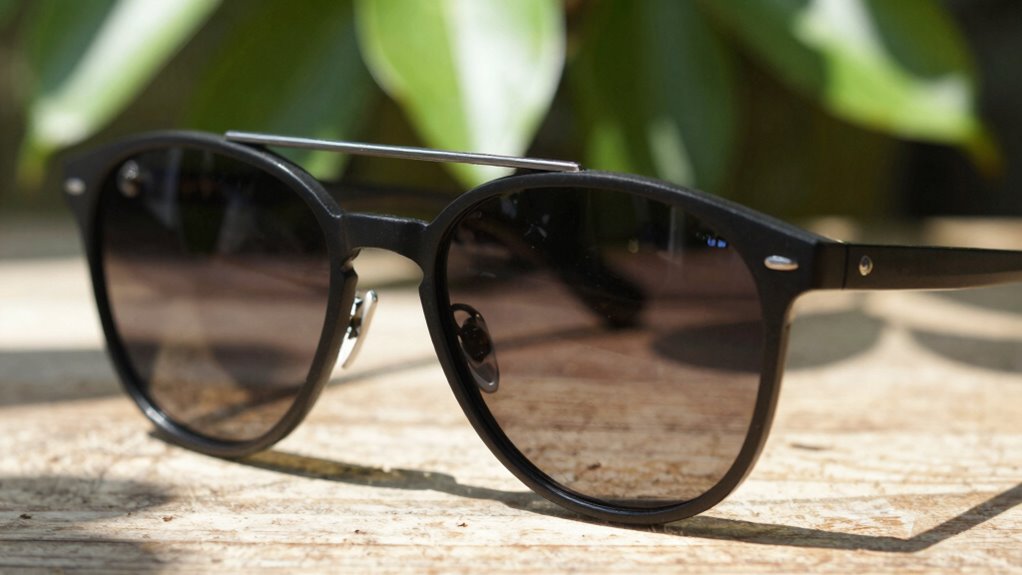
polarized photochromic sunglasses
As an affiliate, we earn on qualifying purchases.
As an affiliate, we earn on qualifying purchases.
Frequently Asked Questions
Do Polarized Sunglasses Work Better in Mixed Light Conditions?
Yes, polarized sunglasses work better in mixed light conditions because they reduce glare from reflective surfaces like water or glass, improving visibility. When choosing among fashion trends or brand comparisons, look for polarized options that match your style. They’re especially useful if you spend time outdoors or on water, making your experience safer and more comfortable. Opt for reputable brands to guarantee quality and durability in various lighting environments.
How Do Photochromic Lenses Perform in Varying Light?
Think of photochromic lenses as chameleons adjusting their color to match the environment. They perform well in varying light, thanks to photochromic activation that responds to UV rays. As the light changes, these lenses adapt through light adaptation, darkening in bright conditions and fading in low light. This dynamic response offers you seamless vision, making them ideal for mixed light environments where consistent clarity is essential.
Are There Specific Lens Colors Ideal for Mixed Lighting?
In mixed lighting, gradient tints are ideal because they shift from dark to light, reducing glare while maintaining clarity. Mirror coatings also help by reflecting harsh light and reducing brightness. You should choose lenses with these features if you want comfortable vision across changing conditions. These lens colors and coatings work together to enhance your vision, protect your eyes, and make it easier to see clearly in varying light environments.
Can Sunglasses Improve Vision Clarity in Inconsistent Light?
Yes, sunglasses can improve your vision clarity in inconsistent light by reducing glare and eye strain. When you wear the right sunglasses, they block harsh reflections and adapt to changing light conditions, helping you see more clearly. This reduces eye fatigue and enhances visual comfort, especially in mixed lighting situations. Choosing sunglasses with appropriate lens colors and coatings guarantees you get the best glare reduction and eye strain relief for varied lighting environments.
How Does Lens Tint Affect Visibility in Mixed Light Environments?
Lens tint markedly impacts visibility in mixed light environments by filtering specific wavelengths, enhancing contrast, and reducing glare. Your choice of lens material affects durability and clarity, while UV protection shields your eyes from harmful rays. For variable lighting, you should opt for lenses with adaptive tints or photochromic coatings, which adjust to changing light conditions, ensuring ideal vision and eye safety in diverse environments.
Conclusion
When choosing sunglasses for mixed light, think of them as your personal shade crew, ready for anything. Just like a versatile umbrella that adapts to sudden rain or shine, the right lenses modify to changing conditions, keeping your vision sharp. For example, I once underestimated the importance of photochromic lenses and struggled on a cloudy hike, missing vibrant views. Investing in adaptable sunglasses ensures you’re always prepared—because in mixed light, flexibility truly makes all the difference.
NFL season / tailgating Picks
team gear
As an affiliate, we earn on qualifying purchases.