A good bike light isn’t just about high lumens; you also need reliable battery life, multiple power modes, and energy efficiency to keep you visible during longer rides. Focus on beam quality and adjustability for better illumination, and select a durable, weather-resistant design that can handle tough conditions. Easy mounting options guarantee it stays in place, no matter the terrain. If you keep exploring, you’ll discover even more ways to choose the perfect bike light for your needs.
Key Takeaways
- Battery life and multiple power modes ensure consistent visibility during rides, regardless of lumen output.
- Beam quality and focus improve illumination effectiveness beyond just brightness levels.
- Weather resistance and durable materials guarantee reliable performance in various environmental conditions.
- Easy mounting and secure attachment prevent light displacement on rough terrains.
- Energy-efficient features and removable batteries extend operational time and support longer rides.
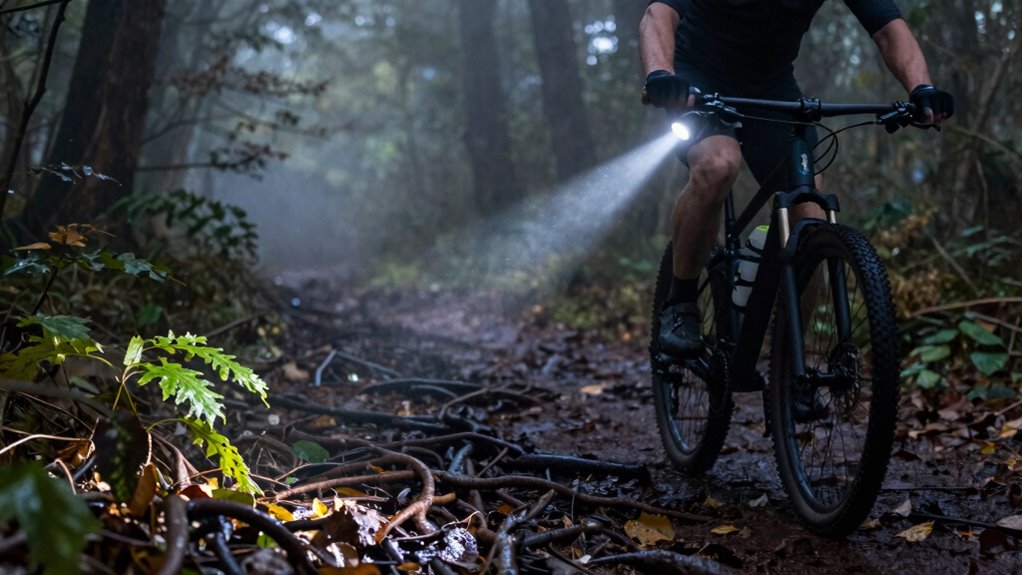
When choosing lighting for your space, many people focus solely on lumens, assuming higher brightness means better illumination. But when it comes to bike lights, lumens tell only part of the story. A powerful beam is useless if it runs out of juice too quickly or doesn’t stay securely attached when you’re riding rough terrain. To truly pick a good bike light, you need to consider factors like battery life and mounting options, which directly impact how effective and convenient your lighting is during your ride. Additionally, understanding the importance of biodiversity and sustainable practices can inspire more eco-friendly choices in your cycling gear and accessories. Battery life is crucial because it determines how long your light will keep shining without needing a recharge or replacement. If your light drains quickly, you might find yourself in the dark halfway through your ride, especially on longer adventures or nighttime commutes. Look for models with longer-lasting batteries or those that offer multiple power modes. Many bike lights have a high-brightness setting for maximum visibility and a low-power mode to extend battery life when full brightness isn’t necessary. Also, consider the type of battery—rechargeable lithium-ion batteries tend to be more reliable and eco-friendly, but make sure they hold a good charge over time. Some lights even come with removable batteries, so you can carry spares if you’re planning an extended ride. Furthermore, battery efficiency is an important aspect to consider, as it can significantly affect how long your light can operate on a single charge, especially during longer trips. Incorporating energy-saving features into your choice can further enhance your experience by conserving power without sacrificing visibility. A well-designed lighting system can also help you conserve power and optimize visibility. When selecting a bike light, consider material durability to ensure it can withstand various weather conditions and rough handling. Mounting options are equally important because a light that’s easy to attach and secure will stay in place no matter how bumpy your ride gets. A good bike light should offer versatile mounting systems—clamps, straps, or quick-release brackets—that fit various bike types and handlebar sizes. You want a setup that’s straightforward to install and remove, especially if you switch bikes or want to take the light off when not in use. Secure mounting prevents the light from shifting or falling off, which can be dangerous and frustrating. Adjustable mounts are a bonus, allowing you to aim the light precisely where you need it most, whether that’s straight ahead or slightly downward to illuminate the road.
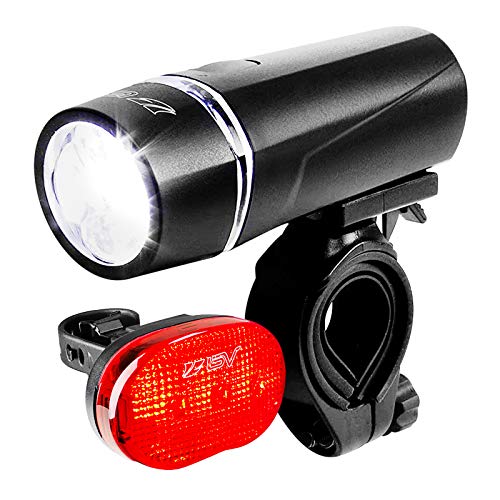
BV Bicycle Light Set Super Bright 5 LED Headlight, 3 LED Taillight, Quick-Release, Bike Lights for Night Riding
- Bright Headlight: 5 LED with 30-40 ft range
- Quick-Release Mount: Tool-less handlebar attachment
- Visible Taillight: 3 LED, adjustable angle
As an affiliate, we earn on qualifying purchases.
As an affiliate, we earn on qualifying purchases.
Frequently Asked Questions
How Does Beam Pattern Affect Visibility?
Your bike light’s beam pattern considerably influences visibility. A focused beam concentrates light ahead, increasing distance but reducing side visibility. Conversely, a broader beam disperses light more evenly, enhancing peripheral vision and overall awareness. The right beam focus balances distance and light dispersion, so you see obstacles clearly without sacrificing your surroundings. This balance improves safety, especially in low-light conditions, ensuring you’re better prepared for what’s ahead and around you.
What Role Does Battery Life Play in Bike Lights?
Think of your bike light like a phone battery—you want it to last through your entire ride. Battery life matters because high battery capacity means longer visibility without recharging. If your light consumes lots of power, it drains quickly, leaving you in the dark when you need it most. By choosing a light with balanced power consumption and ample battery capacity, you guarantee consistent safety and peace of mind on your rides.
Are Waterproof Lights Better for All Weather Conditions?
Waterproof lights are generally better for all weather conditions because of their water resistance and weather durability. You’ll find that these lights can withstand rain, splashes, and even snow, ensuring consistent visibility during your rides. Investing in a waterproof bike light means you don’t have to worry about weather ruining your equipment or compromising safety, making it a smarter choice for year-round riding in diverse conditions.
How Important Is Mounting Ease for Bike Lights?
Mounting ease is essential, because nothing screams “adventure” like trying to juggle a flashlight and your bike at once. Prioritizing mounting versatility and user friendliness transforms a frustrating chore into a quick, effortless task. If you can attach or remove your light in seconds, you’ll spend less time fumbling and more time enjoying the ride. A well-designed mount keeps your light steady, ensuring you’re seen without the drama.
Can Different Light Colors Improve Safety?
Yes, different light colors can improve safety by enhancing color contrast and boosting your visual perception. For example, red lights are great for alerting others behind you, while yellow or amber can increase visibility in foggy or low-light conditions. Using a combination of colors helps you stand out more effectively, making it easier for drivers and pedestrians to see you clearly and react accordingly, ultimately reducing your risk of accidents.
Conclusion
Think of choosing a bike light like tending a garden. Lumens are the seeds, bright and promising, but without proper soil—like beam pattern, battery life, and durability—they won’t flourish. A good bike light isn’t just about brightness; it’s about understanding the full ecosystem that keeps you safe on your ride. When you select wisely, you nurture a garden of visibility that blooms through every dark corner and winding trail.