Deep-dish wheels tend to increase aerodynamic drag and make your car more sensitive to crosswinds, especially in gusty conditions. Shallow wheels and narrower tires help streamline airflow, reducing wind resistance and improving stability. By choosing lighter, less protruding wheels and slimmer tires, you can better handle strong crosswinds. Want to know how to optimize your setup for windy days? Keep exploring to find out more about balancing style, performance, and safety.
Key Takeaways
- Deep wheels increase aerodynamic drag and turbulence, making vehicles more sensitive to crosswinds.
- Shallow, lower-profile wheels reduce wind resistance and improve vehicle stability in gusty conditions.
- Narrower tires decrease side force and enhance crosswind handling, especially when paired with shallow wheels.
- Reducing wheel depth streamlines airflow, lessening the wind’s impact on steering and control.
- Proper wheel and tire choices can help manage crosswind effects, enhancing safety and driving comfort.
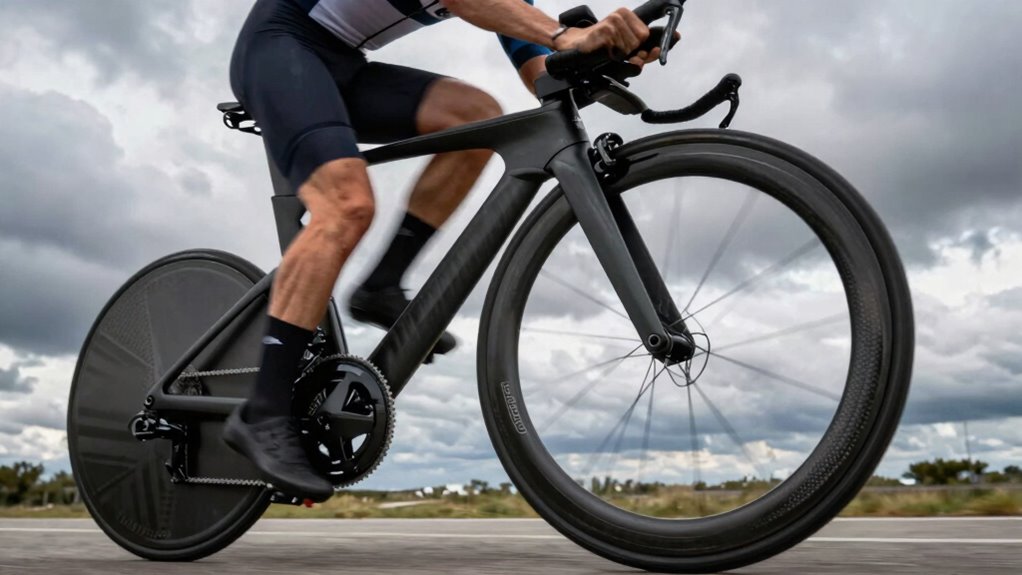
When driving in crosswinds, wheel depth plays an essential role in maintaining stability and control. The depth of your wheels influences how your vehicle responds to gusts of wind, especially when it comes to the tire width and aerodynamic drag. Wider tires increase the contact patch with the road, which can improve grip but also make your vehicle more susceptible to being pushed sideways by crosswinds. Conversely, narrower tires tend to cut through the wind more efficiently, reducing the side force exerted on the vehicle. However, tire width isn’t the only factor at play; wheel depth considerably impacts how aerodynamic drag interacts with your car’s stability. Deep-dish wheels, for example, tend to create more turbulence around their edges, which can increase aerodynamic drag and potentially make the vehicle more sensitive to crosswinds. Shallow wheels, on the other hand, typically produce less turbulence, helping to streamline airflow and reduce the wind’s influence on your vehicle. Additionally, the aerodynamic properties of wheel design are crucial for optimizing stability in windy conditions. Understanding how wheel depth affects aerodynamic drag is essential because it directly influences how your car handles in gusty conditions. When your wheels have a greater depth, they often protrude more from the vehicle’s body, increasing the surface area exposed to the wind. This extra exposure can amplify aerodynamic drag, making your car more affected by crosswinds. As a result, steering becomes more challenging, and you might find yourself fighting against the wind more than necessary. Reducing this effect involves choosing wheels with a shallower design, which helps streamline airflow and lessens the impact of crosswinds. If you’re concerned about stability in windy conditions, opting for wheels with a lower profile and reduced depth can be beneficial, especially if combined with narrower tires that cut through the air more efficiently. Ultimately, the relationship between wheel depth, tire width, and aerodynamic drag is complex but manageable. It’s not just about aesthetics or personal preference; it’s about optimizing your vehicle’s handling in adverse conditions. You want wheels that strike a balance between performance and stability, especially if you frequently drive through areas prone to gusts. Selecting wheels with appropriate depth and narrowing your tire width can make a noticeable difference when battling crosswinds, helping you stay on course without overcorrecting. Remember, the goal isn’t to eliminate all wind effects but to understand how wheel design influences your vehicle’s behavior. With informed choices, you’ll find driving in crosswinds less stressful and much safer.
Frequently Asked Questions
How Do Wheel Depth and Crosswinds Affect Overall Cycling Safety?
Wheel depth and crosswinds impact your cycling safety by influencing wheel stability and aerodynamic efficiency. Deeper wheels can boost speed but may make handling trickier in gusty crosswinds, risking loss of control. Lighter, shallower wheels improve stability in wind, enhancing safety. Knowing how these factors interact helps you choose the right wheels for your ride, ensuring better stability and confidence in crosswind conditions.
Can Wheel Depth Influence Bike Handling During Gusty Conditions?
Imagine your bike as a sail catching gusts—wheel depth can be your steering compass or a runaway rudder. Deep wheels boost wind resistance, making handling trickier during gusty conditions. They can either anchor your stability or sway with the wind, depending on your skills. So, yes, wheel depth markedly influences bike handling, especially in gusty weather, by affecting wheel stability and how your bike responds to crosswinds.
Are There Specific Wheel Depths Recommended for Windy Terrains?
Yes, for windy terrains, opt for shallower wheel depths like 30-40mm to improve stability. Maintain proper tire pressure to keep your contact patch consistent, and adjust your riding posture by staying low and centered to resist crosswinds. These strategies help you handle gusts better, ensuring safer and more controlled riding. Avoid deep wheels in strong crosswinds, as they can make bike handling more challenging.
How Does Rider Weight Impact Wheel Performance in Crosswinds?
While rider strength can subtly influence wheel performance in crosswinds, your weight plays a more noticeable role in wheel stability. Heavier riders tend to stabilize wheels better, reducing the tendency to drift, whereas lighter riders might find crosswinds more challenging. To optimize performance, consider your weight when choosing wheel depth, as it impacts how well your wheels respond to gusts. Stronger riders often find they can handle deeper wheels with greater confidence.
Do Aerodynamically Optimized Wheels Reduce Crosswind Effects?
Yes, aerodynamically optimized wheels can reduce crosswind effects. Their design minimizes wind resistance and helps you stay stable, even in gusty conditions. Aero optimization typically involves shaping rims and spokes to cut through the air more efficiently, which lessens the impact of crosswinds on your ride. By choosing these wheels, you’ll experience better control, less side-to-side movement, and improved overall handling in windy environments.
Conclusion
So, next time you see a bike with deep wheels battling crosswinds, remember it’s not just about fear or hype. Deep wheels do affect handling, but proper technique and awareness matter more. Don’t let “aero fear” hold you back from trying new gear or challenging yourself. After all, isn’t the real advantage in understanding your bike’s limits and riding smart? Embrace the facts, master your skills, and enjoy the ride—wind and all.