Bike radars help keep you safer by detecting approaching vehicles with sensors, giving you extra awareness on the road. They work best when sensors are accurate and environmental conditions are favorable. However, they aren’t foolproof and can sometimes give false alarms or miss nearby vehicles, especially if sensors are affected by weather or obstacles. To get the most out of these devices and stay safe, it’s important to understand how they work and their limitations. Keep going to discover more.
Key Takeaways
- Bike radars use sensors to detect approaching vehicles, improving rider awareness and safety during rides.
- Sensor accuracy is crucial; high-quality sensors reduce false alerts and missed detections, increasing system trustworthiness.
- Radar systems are most helpful in urban traffic and complex environments but may be less effective in poor weather or obstructions.
- Legal restrictions vary by region; using certain radar detection devices may be illegal, so users should check local laws.
- Bike radars supplement attentive riding but should not replace cautious behavior and environmental awareness.
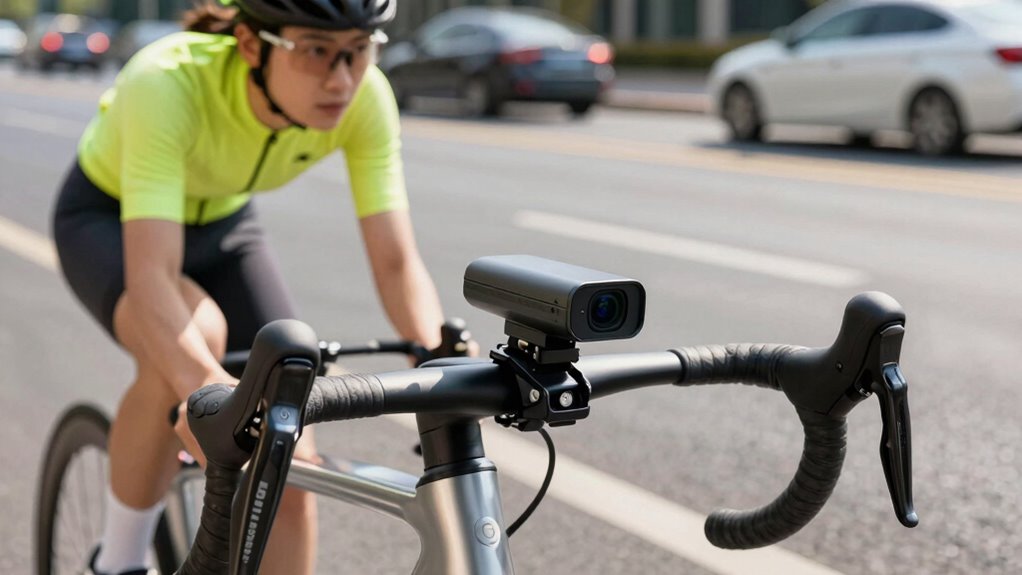
Have you ever wondered how bike radar systems work and what benefits they offer? These devices use sensors to detect approaching vehicles, giving you extra awareness on the road. But understanding how they operate requires a look into sensor accuracy and legal considerations. Sensor accuracy is essential because it determines how reliably the radar detects nearby traffic. High-quality sensors can distinguish between moving vehicles and stationary objects, minimizing false alerts. When the sensors are precise, you get timely and trustworthy notifications, which can markedly improve your safety. Conversely, if the sensors are less accurate, you might experience false alarms or miss critical approaching vehicles, undermining the system’s usefulness. That’s why investing in a bike radar with proven sensor accuracy is indispensable—so you can truly rely on the alerts it provides without second-guessing their validity.
Legal considerations also play an important role in how and where you can use bike radar systems. Laws regarding these devices vary by region, and in some places, certain types of radar or detection devices are restricted or outright banned. It’s your responsibility to familiarize yourself with local regulations to avoid unintentional violations. Using a bike radar that’s illegal in your area could lead to fines or confiscation, defeating the purpose of enhancing safety. Additionally, some jurisdictions may have specific rules about how close an approaching vehicle must be before an alert is triggered, or how the device communicates with you. Knowing these legal boundaries helps you stay compliant and guarantees that you’re using the technology responsibly.
While bike radars can be valuable tools, their effectiveness hinges on these factors. Sensor accuracy determines whether you’re genuinely protected or simply relying on an unreliable gadget. Meanwhile, understanding and respecting legal considerations guarantees you stay within the law and avoid unnecessary trouble. Keep in mind that no system is perfect; environmental factors like rain, fog, or debris can impact sensor performance, regardless of their quality. As a result, it’s best to see bike radar as a supplementary safety feature—not a substitute for attentive riding and vigilant awareness. When used correctly and within legal limits, bike radars can give you an extra layer of security, especially in busy traffic or low-visibility conditions. Just make sure to choose a device with reliable sensor accuracy and familiarize yourself with the legal landscape to maximize their benefits.
bike radar with high accuracy sensors
As an affiliate, we earn on qualifying purchases.
As an affiliate, we earn on qualifying purchases.
Frequently Asked Questions
How Does Bike Radar Compare to Traditional Mirror Systems?
Bike radar offers quicker, more all-encompassing awareness compared to traditional mirror systems. Its sensor accuracy detects approaching vehicles from behind, alerting you instantly, even in low-light or busy conditions. Visual clarity is often better since you don’t need to glance away from your path; instead, you get real-time alerts. Unlike mirrors, bike radar reduces blind spots, helping you make safer decisions without distraction, especially during fast-paced rides.
Can Bike Radar Be Integrated With Existing Bike Electronics?
Think of bike radar integration like fitting puzzle pieces together seamlessly. Yes, you can connect bike radar to existing electronics if the system supports sensor integration and system compatibility. Most modern bike computers and smart devices are designed for easy integration. You’ll want to check your device’s specifications and verify it can sync with radar sensors, making your ride safer without the hassle of incompatible tech.
What Are the Common Limitations of Current Bike Radar Technology?
You’ll notice that current bike radar technology faces some limitations, like range restrictions that can reduce your awareness of distant objects. Detection accuracy can also be inconsistent in complex environments, such as crowded urban areas or bad weather. These factors mean you shouldn’t rely solely on radar for safety. Instead, use it as an aid alongside your visual checks, especially since range limitations and detection accuracy issues can compromise your overall safety.
How Does Weather Impact the Performance of Bike Radar?
Weather can markedly impact your bike radar’s performance. Rain interference may cause false alerts or reduce detection range, making it harder to trust the signals. Temperature effects also play a role; extreme heat or cold can affect the sensor’s accuracy and battery life. You should be aware that adverse weather conditions might require you to rely more on visual cues and slower speeds for safety, especially during heavy rain or very cold days.
Are Bike Radars Suitable for All Types of Bicycles?
Like a chameleon blending into its surroundings, bike radars adapt to most bicycles, but they’re not universal. You’ll find they suit many models, enhancing cycling safety by alerting you to nearby vehicles and obstacles. However, compatibility depends on your bike’s setup—some bikes may need specific mounts or sensors. Before installing, check your bike compatibility to guarantee ideal performance and safety on every ride.
Conclusion
Think of bike radar as your trusty lighthouse—guiding you safely through foggy conditions. When it blinks steadily, it’s your beacon, helping you spot danger early. But if it flickers or dims, don’t rely solely on its light; sometimes, you need to navigate by your own eyes and instincts. Remember, technology is a helpful lighthouse, but your awareness is the steady beam that keeps you truly safe on the road.