

TL;DR

Get sports gear delivered free with Prime
- Fast, free delivery on millions of items
- Prime Video, Amazon Music and more included
- Member-only deals all year
You can now generate a complete set of publishing assets—titles, descriptions, clips, social posts—from a single video upload, all processed locally. This approach boosts privacy, cuts costs, and gives you full control over your content.
Imagine finishing a video and having a team of virtual assistants create everything you need to publish—titles, descriptions, clips, social posts—all in minutes. No waiting for cloud services, no monthly subscriptions, just your own hardware doing the heavy lifting.
This shift toward local AI processing is changing the game for creators who want control, privacy, and a streamlined workflow. In this article, you’ll see exactly how a single video can turn into an entire publishing kit—without relying on cloud servers—and what that means for your content strategy.
Key Takeaways
- Local video AI systems can produce an entire publishing kit from a single upload—titles, descriptions, clips, and social posts—without relying on the cloud.
- Processing happens entirely on your hardware, offering better privacy, no recurring fees, and faster turnaround times.
- Recent hardware like the UniFi NVR Instant and gateways now support AI analysis, making local workflows more powerful and scalable.
- You retain full ownership and control of your footage, safeguarding sensitive data and ensuring compliance.
- This approach is ideal for small creators, SMBs, and security setups that prioritize privacy, cost savings, and autonomy.
As an affiliate, we earn on qualifying purchases.
What Does ‘Without the Cloud’ Actually Mean for Video Publishing?
‘Without the cloud’ means all processing happens on your local hardware—no external servers or third-party services involved. Your footage is analyzed, metadata generated, and assets created right on your device or local network. Learn more about local AI workflows.
For example, a small business using the UniFi AI Key can upload a video and immediately get captions, keywords, clips, and social media drafts—all processed on-site. This keeps sensitive footage private and eliminates monthly cloud fees.
Compared to cloud-based tools that offload data to servers hundreds or thousands of miles away, local processing guarantees that your content stays within your control—perfect for privacy-focused users or those wary of subscription costs.
Why does this matter? Because it fundamentally shifts the power dynamic. You’re not dependent on external providers who may change policies, increase prices, or experience outages. Local processing offers stability, control, and peace of mind, especially when handling sensitive or proprietary content. For more insights, visit this guide on local AI advantages.

How Local Video AI Works: The Four Layers of Understanding
Local video AI isn’t just transcribing speech—it’s a four-layered process that builds a detailed understanding of your footage. Think of it as a mini brain inside your hardware. Discover more about this technology at local AI processing.
The **audio layer** transcribes speech, identifies speakers, and timestamps everything. The **visual layer** detects scene changes, reads on-screen text, and describes key visuals. The **fusion layer** combines these streams into a synchronized timeline, matching speech with visuals. Finally, the **intelligence layer** analyzes the combined data to spot topics, hooks, and moments worth highlighting.
For instance, when a YouTuber uploads a product review, the system recognizes when they mention a feature, shows a shot of the product, and flags those moments as high-retention clips. This structured understanding powers every asset the system drafts.
Why does this layered approach matter? Because it allows the system to generate more accurate, context-aware assets. It can distinguish between a passing mention and a key feature, ensuring your captions, clips, and metadata are relevant and compelling. The tradeoff is that such detailed analysis requires more sophisticated hardware and software, which can increase costs or complexity. But for content creators aiming for professional-grade assets, this layered understanding makes local AI a powerful tool—delivering depth and nuance that simple transcription can’t match. It also means you’re better equipped to tailor content for specific audiences, maximizing engagement and reach.
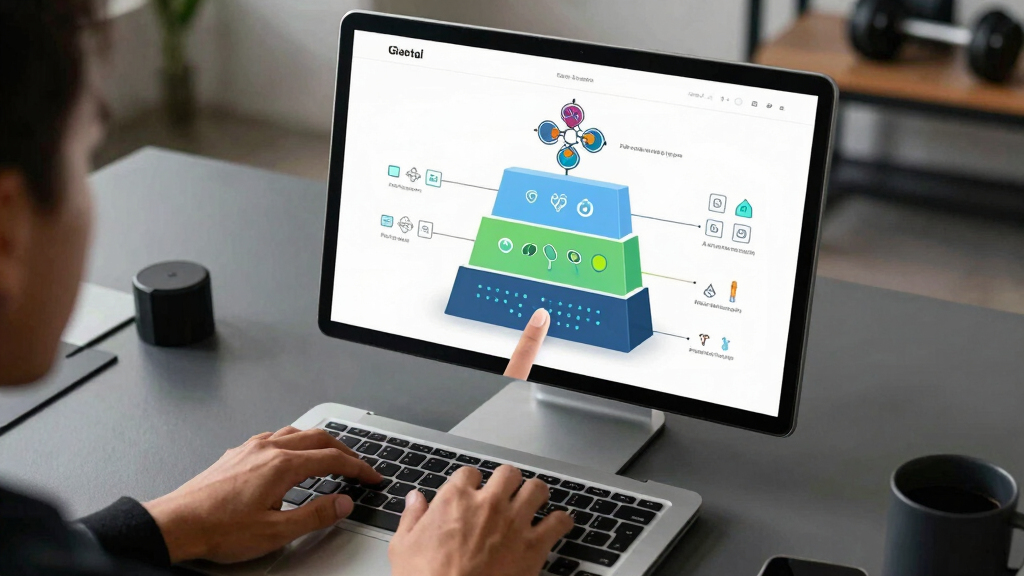
The Four Steps to Turn One Video Into a Full Publishing Kit
- Drop or link in your video: Upload your footage or paste a URL. The system detects your channel for consistent branding.
- Let it analyze: Background workers transcribe, read visuals, and fuse data—all on your device.
- Review the draft assets: A dashboard shows titles, descriptions, clips, and social posts—all ready for your tweaks.
- Approve and publish: Hit go. Your content launches across platforms—YouTube, TikTok, Instagram, and more—all from one interface, without relying on the cloud.
Why is this process significant? Because it automates the tedious parts of content repurposing, freeing you to focus on creativity. This automation, powered by local AI, reduces turnaround time from hours or days to minutes, allowing you to respond quickly to trends or feedback. It also ensures your data remains private, as no external servers are involved during analysis or asset creation. Learn more about how local AI can transform your workflow at this detailed article.

The Complete Package: What Your Publishing Kit Includes
The core idea is that from one video, you get a full set of assets. These include:
- Optimized titles scored against character limits.
- Detailed descriptions with chapters, hashtags, and keywords.
- Multiple thumbnail concepts based on high-retention moments.
- Vertical clips for Shorts, TikTok, Reels, with auto-generated captions.
- Articles, blog drafts, or newsletter summaries.
- Custom social posts tailored for each platform—Twitter, Instagram, Facebook, LinkedIn, Reddit, and more.
Why does this matter? Because in today’s fast-paced content landscape, multi-format assets are essential for maximizing reach. The ability to generate these assets locally means your workflow becomes more agile—you can produce and publish more content in less time, with greater control over quality. To explore how to get started, visit this resource on local publishing kits.

Why Local Processing Beats Cloud for Creators and Businesses
Local processing offers a much more reliable, private, and cost-effective way to manage your video assets. No monthly fees mean you keep full control without surprise bills. Your footage stays on your premises—no data leaks or third-party access.
Why does this matter? Because relying on cloud services introduces vulnerabilities—potential data breaches, outages, or policy changes that could disrupt your workflow. Local AI mitigates these risks by ensuring your data remains within your secure environment. Additionally, local processing often results in faster turnaround times since data doesn’t need to traverse the internet, which can be especially critical for time-sensitive content. The tradeoffs include hardware costs and maintenance responsibilities, but for those prioritizing security and independence, these are manageable. For instance, a law firm handling confidential client meetings can process videos immediately without risking confidentiality breaches, and a security company can analyze footage on-site without exposing sensitive data externally. This control ultimately empowers you to meet compliance standards and protect your reputation.

The Evolving Hardware Landscape: From Cloud Key to Powerhouse Devices
The old Cloud Key was a simple controller. Today’s hardware—like the UniFi NVR Instant launched in 2025—offers much more. The NVR Instant, priced at just $199, supports a 3.5-inch drive, PoE, HDMI output, and up to 24TB storage.
This hardware shift means you’re not just managing cameras anymore—you’re running AI models locally, analyzing footage in real time, and generating assets without relying on external servers. Other newer devices like the Cloud Gateway Max and UCG Fiber expand routing, storage, and AI capabilities, making local processing more powerful and integrated than ever before.
Why does this matter? Because it signifies a paradigm shift in hardware design—moving from simple network controllers to full-fledged AI processing hubs. This evolution reduces dependency on cloud infrastructure, lowers ongoing costs, and enhances privacy. For users, it means more flexibility: you can scale your AI capabilities as your needs grow, without being locked into subscription plans. The tradeoff is that these devices are more complex and may require a learning curve, but they provide a future-proof foundation for comprehensive local content workflows.
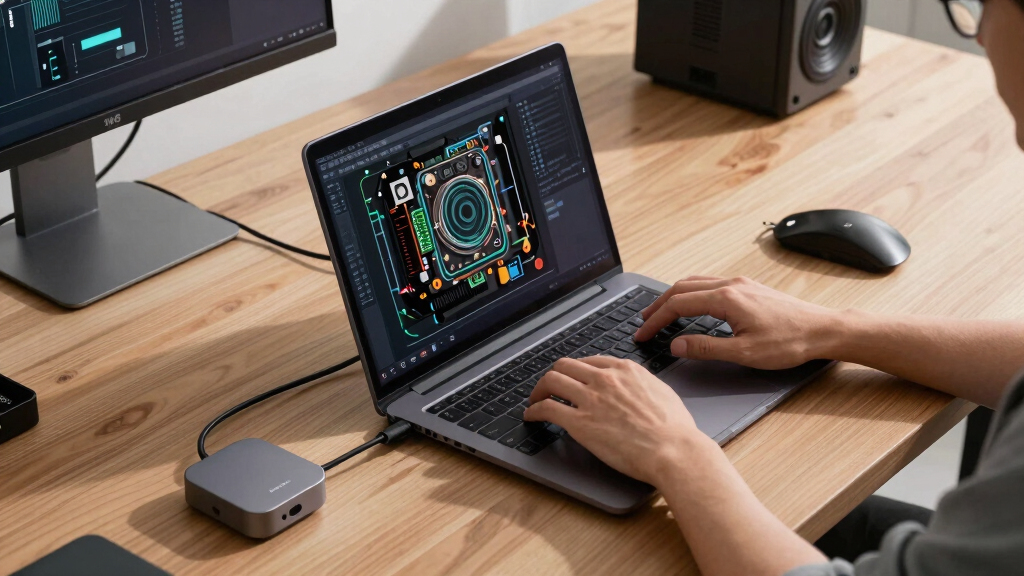
Recent Developments: The Rise of the AI-Powered NVRs and Gateways
In 2025, UniFi introduced the NVR Instant and upgraded AI support for their cameras. The NVR Instant, at $199, is a game-changer—supporting local AI analysis, real-time detection, and a full publishing toolkit.
New gateways like the Cloud Gateway Max offer more routing, storage, and AI power, making the whole ecosystem smarter and more flexible. Support now extends to G4, G5, and AI-series cameras, with compatibility for older G3 models if your setup has the right ports.
Why does this matter? Because these product launches mark a significant step toward fully local, cloud-free content workflows. They demonstrate a strategic shift—moving from reliance on external servers to self-sufficient hardware that can analyze, process, and publish content entirely on-site. This approach reduces costs, enhances security, and allows for faster response times, especially critical in security-sensitive environments or high-volume content operations. The tradeoff is that users need to stay updated on hardware compatibility and may need to invest in newer infrastructure, but the benefits of independence and privacy are substantial.
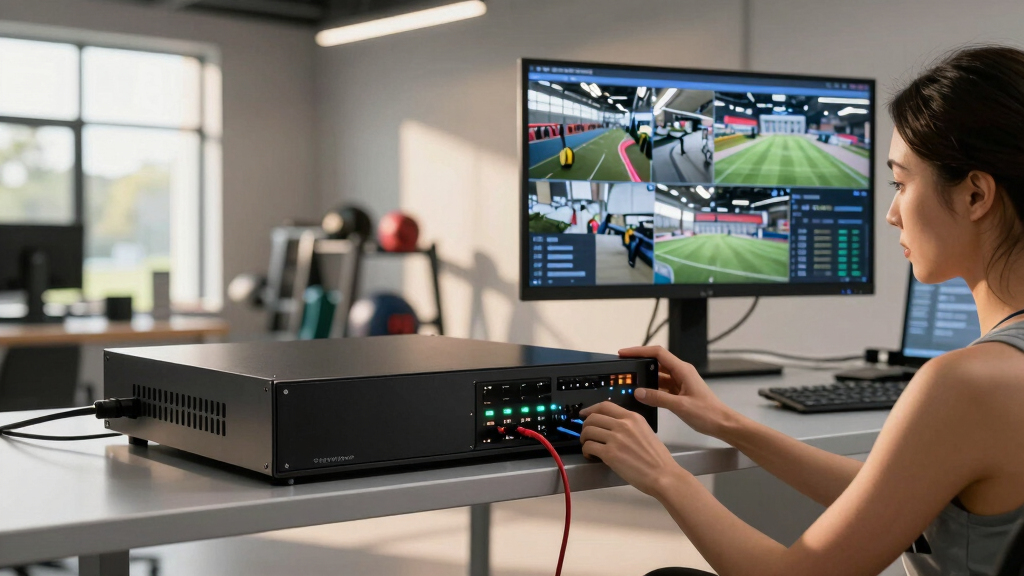
What You Need: Hardware, Cameras, and Setup Expectations
Getting started requires compatible hardware—like the UniFi NVR Instant or similar local servers—and supported cameras, such as G4, G5, or AI series. The setup involves connecting your devices, installing the software, and configuring local storage.
Why is this straightforward? Because modern hardware is designed for simplicity, often with user-friendly interfaces and guided setup processes. This reduces barriers for small businesses or creators who might be intimidated by complex IT setups. The key advantage is that all processing remains on your network, giving you immediate control over your data and workflow. However, it’s important to understand the hardware requirements and ensure your existing infrastructure can support the system you choose. For example, a small retail store with five cameras can set up a local server and start generating metadata and assets within an hour, gaining both control and efficiency. But larger deployments may require planning for network capacity and storage needs, making initial investment and configuration more critical.

The Cost and Value of Local AI Publishing Systems
Compared to cloud subscriptions that can run hundreds of dollars annually, local solutions like the UniFi AI Key or NVR Instant are a one-time investment—often under $300. You gain a powerful, private, and scalable system that grows with your needs.
Why does this matter? Because over time, the savings from avoiding monthly fees can be substantial. For example, a small law firm or security team might pay thousands annually for cloud services, but with a local AI setup, those costs are eliminated, and the investment pays off quickly. Additionally, local systems offer more predictable budgeting, as hardware costs are upfront, and maintenance is manageable. The tradeoff is that initial hardware costs and setup effort are higher, but the long-term benefits—privacy, control, and cost savings—often outweigh these initial investments. For small creators or SMBs, this shift represents a strategic move toward independence and security, enabling them to respond rapidly to content demands without ongoing expenses.

Privacy and Ownership: Why Local Matters More Than Ever
Keeping your footage on-site means you own your data completely. No third-party servers, no risk of leaks, and no dependency on external providers. This is crucial for sensitive content—like legal cases, medical info, or private security footage.
Why does this matter? Because data breaches and leaks can have severe consequences—legal liabilities, loss of trust, or damage to reputation. Local processing minimizes these risks by ensuring your data remains within your control. For example, a private investigator’s footage remains protected, with AI analysis happening right inside their own network. They can review clips, add metadata, and publish assets without ever uploading to the cloud. Moreover, compliance with data protection regulations becomes simpler when all processing occurs locally, reducing legal liabilities. This control also allows for customized security protocols, ensuring that only authorized personnel access sensitive information. The tradeoff is that you need to implement proper security measures and maintain your hardware, but the peace of mind and security benefits are well worth it—especially for those handling highly confidential or regulated content.

Is It Worth It for You? Small Setup or Big Deployment?
If you’re a solo creator, small business, or security team, local AI can save money and boost privacy. For larger operations, it scales easily, handling dozens of cameras and hours of footage without cloud reliance.
Why consider this? Because it aligns with strategic needs—immediate control, enhanced security, and cost efficiency. Small setups benefit from quick deployment and privacy, avoiding ongoing fees. Larger deployments gain from centralized management, faster processing, and the ability to handle complex workflows without external dependencies. The tradeoffs involve upfront hardware costs and potential learning curves, but the long-term gains in independence and security often justify these investments. For example, a neighborhood watch installing a few cameras can operate a local NVR and analyze footage instantly, sharing clips internally while maintaining complete privacy. For organizations with more extensive needs, scaling up is straightforward, ensuring they stay in control as their content volume grows.
Frequently Asked Questions
What does ‘without the cloud’ actually mean for my video workflow?
It means all processing—transcription, metadata, clips, social assets—happens on your local hardware. Your footage stays on-site, and you avoid uploading to external servers, keeping your data private and secure.
Do I need special hardware or cameras to get started?
Yes, compatible local servers like the UniFi NVR Instant or newer gateways are recommended, along with supported cameras such as G4, G5, or AI series. Setup is straightforward and often similar to installing a new router.
Is this system scalable for larger setups?
Absolutely. Modern hardware supports multiple cameras and hours of footage, with AI analysis running locally. It’s designed to grow with your needs—ideal for SMBs, security teams, or content creators with expanding channels.
Will I still need a subscription or pay monthly fees?
No. Many local AI solutions, including the UniFi AI Key, offer advanced features with a one-time purchase, saving you hundreds annually compared to cloud-based services.
How secure is local processing compared to cloud-based options?
Local processing keeps your footage on your premises, drastically reducing the risk of data leaks or unauthorized access. It’s the most secure way to handle sensitive or private content, ensuring you maintain ownership and control at all times.
Conclusion
Switching to a local video AI workflow transforms your entire publishing process. Instead of hours spent repackaging content with cloud services, you get a one-stop, private, and cost-effective system that puts you in control.
Imagine a future where your hardware does the heavy lifting—fast, secure, and without ongoing fees. That future is here, waiting for you to take the leap and keep your content truly yours.

Halloween Picks
halloween
As an affiliate, we earn on qualifying purchases.