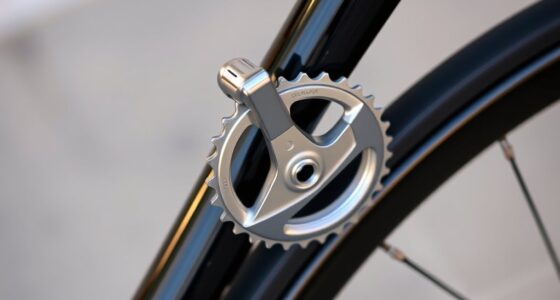
To clean bearings without causing damage, handle them carefully to avoid knocking or dropping, and always inspect for rust or debris beforehand. Use gentle cleaning solutions like isopropyl alcohol and soft brushes, avoiding harsh chemicals or abrasive tools. Dry thoroughly with compressed air or soft cloth and apply a high-quality lubricant evenly afterward. Proper cleaning and lubrication extend bearing life; for detailed tips and techniques, keep exploring potential methods to keep your bearings in top condition.

Get sports gear delivered free — and shop member deals
- Fast, free delivery on millions of items
- Access to Prime Big Deal Days deals on October 6–7
- Prime Video, Amazon Music and more included
Key Takeaways
- Use gentle cleaning methods with soft brushes and lint-free cloths to avoid surface damage.
- Prefer mild solvents like isopropyl alcohol; avoid harsh chemicals or abrasive tools.
- Briefly soak bearings if necessary, but do not submerge for extended periods.
- Dry thoroughly with compressed air or soft cloth immediately after cleaning to prevent moisture buildup.
- Apply appropriate protective coatings or lubricants after cleaning to prevent corrosion and ensure smooth operation.

Have you ever wondered how to clean bearings effectively without risking further damage? It’s a common concern, especially since improper cleaning can lead to increased wear or corrosion. The key is knowing the right approach to maintenance, focusing on proper lubrication techniques and corrosion prevention. When you start cleaning, don’t rush—patience is essential. First, remove the bearing carefully to avoid knocking or dropping it, which could cause dents or misalignment. Once you have it out, inspect it for rust, dirt, or debris.
To clean the bearing thoroughly, begin with gentle methods. Using a solvent like isopropyl alcohol or a specialized bearing cleaner can dissolve grease, dirt, and old lubricant without harming the metal. Avoid harsh chemicals or abrasive tools, as they can scratch or weaken the bearing’s surface. Dip a soft brush or lint-free cloth into the cleaner and gently wipe away grime. If dirt is stubborn, you might need to soak the bearing briefly, but don’t leave it submerged for too long. After cleaning, dry the bearing immediately with compressed air or a soft cloth to prevent moisture from lingering, which could lead to corrosion. Additionally, understanding proper cleaning techniques is vital for maintaining bearing longevity. Applying a protective coating or corrosion inhibitor after cleaning can further safeguard the bearing from environmental damage. Using appropriate tools during cleaning helps prevent accidental damage and ensures thorough removal of debris.
Once the bearing is dry, it’s time for lubrication. Proper lubrication techniques are essential here. Use a high-quality lubricant designed for bearings, applying it evenly to all moving parts. Don’t over-lubricate; excess grease can attract dirt and debris, which accelerates wear. Instead, apply just enough to coat the surfaces evenly, ensuring smooth rotation without excess buildup. Lubrication not only reduces friction but also provides a protective barrier against moisture. This is where corrosion prevention plays a significant role—regularly applying a suitable protective grease or oil helps shield the bearing from moisture or corrosive elements, especially if it’s exposed to harsh environments. Maintaining bearing condition through proper care ensures optimal performance and extends its lifespan.
As an affiliate, we earn on qualifying purchases.
Frequently Asked Questions
Can I Use Household Cleaners to Clean Bearings Safely?
You shouldn’t use household cleaners on bearings because they can damage bearing safety. These cleaners often contain harsh chemicals that may strip away lubricants or corrode the metal. Instead, opt for a gentle solvent like isopropyl alcohol or a specialized bearing cleaner. This guarantees you clean effectively without risking damage or compromising the bearing’s performance. Always follow manufacturer instructions to keep your bearings in perfect condition.
How Often Should I Clean and Lubricate Bearings?
Think of your bearings as the heartbeat of your machine—they need regular care. You should perform bearing maintenance by cleaning and lubricating them every few months or when you notice signs of wear. The cleaning frequency depends on your usage and environment. Regular maintenance keeps them running smoothly, prevents damage, and extends their lifespan. So, stay attentive to their needs, and you’ll keep your equipment humming happily.
Is It Necessary to Replace Bearings After Cleaning?
You don’t always need to replace bearings after cleaning. First, perform a bearing inspection to check for wear or damage. If the bearings are clean and move smoothly, they’re fine to reuse. Use proper cleaning techniques, like gentle solvent washes and careful drying, to avoid damage. If you notice any roughness or corrosion during inspection, replacing the bearings is the safest choice to guarantee peak performance.
What Tools Are Best for Removing Stubborn Dirt?
Think of stubborn dirt as a tough knot in your favorite rope—you need the right tools to untangle it smoothly. For dirt removal methods, use a small brush, like a toothbrush, to gently scrub away debris. Precision tools like a pick or a pin can carefully reach into tight spots. These cleaning techniques help you remove grime effectively without damaging your bearings, keeping them in top condition.
How Do I Identify Damaged Bearings After Cleaning?
You identify damaged bearings through careful bearing inspection, looking for visible damage signs like pitting, cracks, or discoloration. Feel for roughness or excessive play when rotating the bearing, which indicates wear or damage. Listen for unusual noises during operation. If you notice any of these signs, it’s best to replace the bearing to prevent further damage. Regular inspection helps catch issues early, ensuring smooth, reliable performance.
Conclusion
Think of cleaning your bearings like tending a delicate garden. With gentle hands and careful attention, you remove the weeds without damaging the roots, allowing your garden to thrive. Rushing or using harsh tools might seem faster, but it risks uprooting the healthy plants. By cleaning your bearings with patience and care, you guarantee they run smoothly for miles to come—like a well-tended garden that blossoms season after season. Your ride’s performance depends on your gentle touch.
NFL season / tailgating Picks
team gear
As an affiliate, we earn on qualifying purchases.