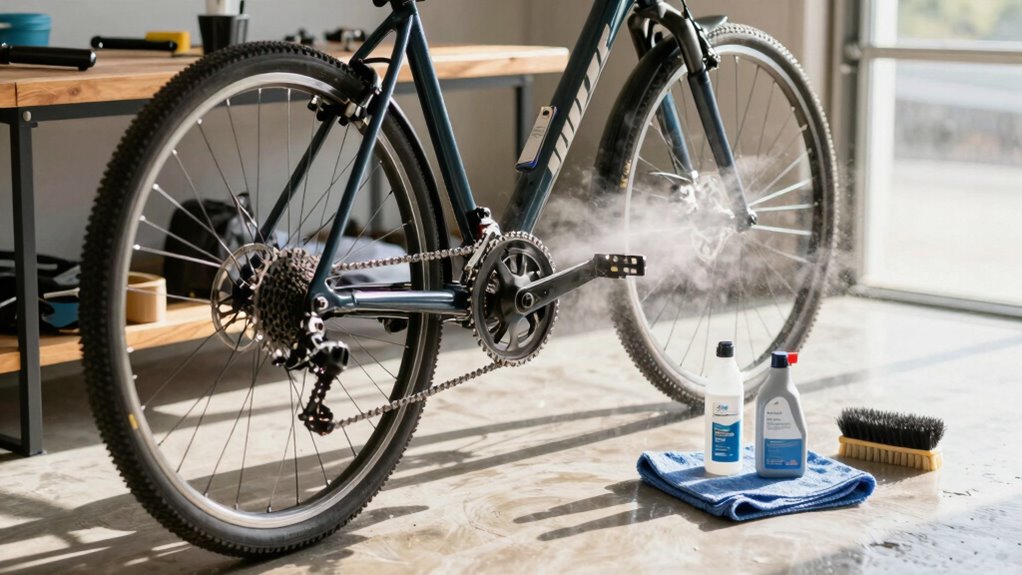

Each month, give your bike a thorough cleaning with a gentle bike-specific solution and a soft brush to remove dirt and grime. Check tire pressure and adjust to match riding conditions. Inspect brakes and gears, replacing worn pads and ensuring smooth shifts. Lubricate the chain and other moving parts, wiping away excess to prevent dirt buildup. Finally, examine the frame for cracks or loose bolts. Keep an eye on these details to enjoy a safe, reliable ride—discover more tips to keep your bike in top shape.

Get sports gear delivered free — and shop member deals
- Fast, free delivery on millions of items
- Access to Prime Big Deal Days deals on October 6–7
- Prime Video, Amazon Music and more included
Key Takeaways
- Clean the bike thoroughly with a gentle cleaner, focusing on the frame, chain, and gears.
- Check and maintain proper tire pressure suited to riding conditions.
- Inspect brake pads, levers, and gear shifting for smooth operation and wear.
- Lubricate the chain and other moving parts, removing excess lubricant afterward.
- Examine the frame and bolts for damage or looseness, tightening or repairing as needed.
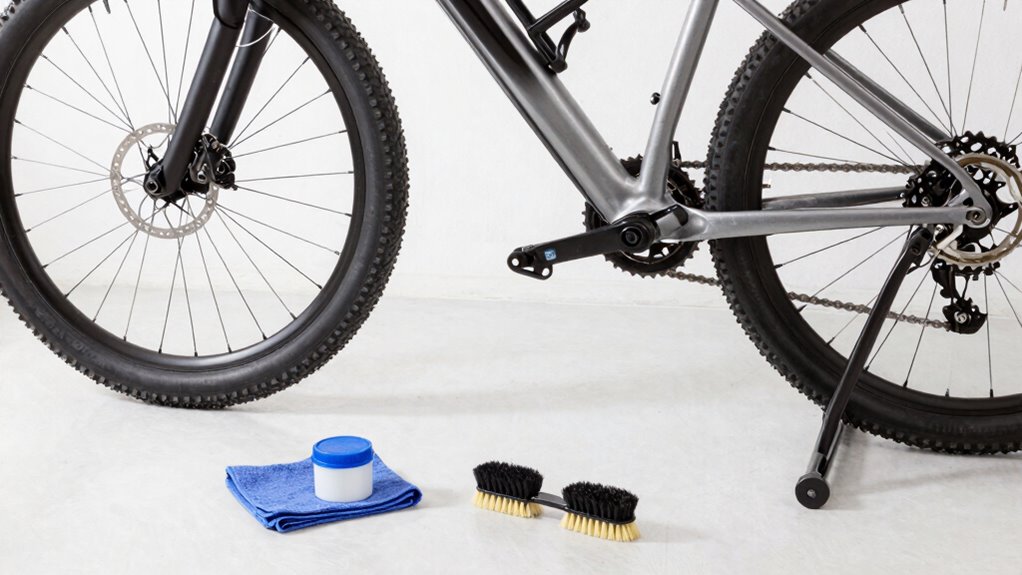
Ever wondered how to keep your bike running smoothly for years to come? The key is establishing a simple, consistent monthly routine that covers essential maintenance tasks. One of the first things you’ll want to do is focus on bike cleaning. Dirt, mud, and grime can build up quickly, especially if you ride frequently or in wet conditions. Regular cleaning prevents corrosion and keeps your bike looking shiny and new. Use a gentle bike-specific cleaner and a soft brush or cloth to scrub away dirt from the frame, chain, and gears. Avoid using harsh household cleaners that could damage components. After cleaning, make sure to dry your bike thoroughly to prevent rust, especially on metal parts and bolts.
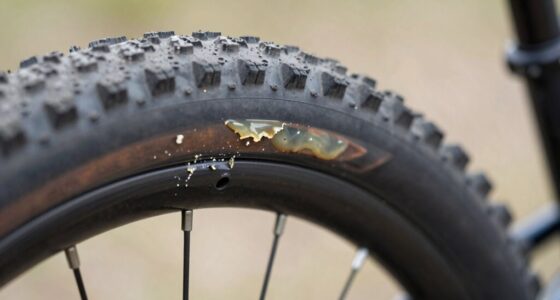
Next, check your tire pressure. Proper tire pressure is crucial for a smooth, safe ride and also helps extend the lifespan of your tires. Use a reliable pressure gauge to measure each tire’s PSI, which you can find stamped on the sidewall. If your tires are underinflated, you’ll notice increased rolling resistance, making pedaling harder and potentially causing uneven wear. Overinflated tires, on the other hand, can lead to a harsher ride and a higher risk of blowouts. Adjust the pressure to match your riding style and the terrain you frequent. For most bikes, maintaining the recommended PSI provides optimal traction, comfort, and efficiency. Remember, tire pressure can fluctuate with temperature changes, so check it regularly, especially before long rides. Additionally, understanding the importance of regular maintenance can help you identify potential issues early and ensure your bike performs at its best. Performing periodic checks on key components also helps prevent unexpected breakdowns and prolongs the life of your bike. Incorporating preventive care into your routine can further safeguard against unexpected repairs and keep your bike in top condition. Regularly inspecting all parts helps you stay aware of any developing problems before they become costly repairs, making preventive maintenance an essential part of bike care. In fact, a well-maintained bike not only lasts longer but also provides a safer riding experience.
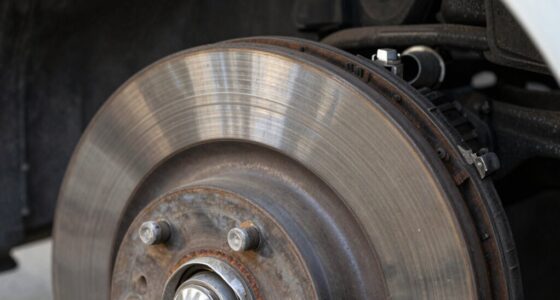
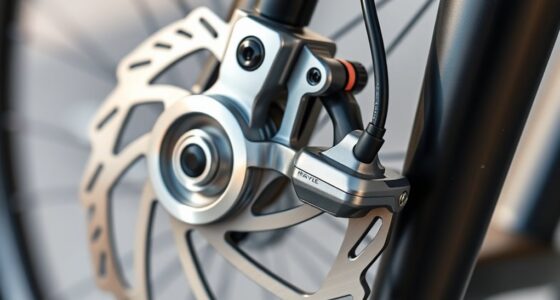
Alongside cleaning and tire pressure, this monthly routine should include inspecting your brakes and gears. Check brake pads for wear and ensure they engage fully when you pull the levers. If they’re worn down, replace them promptly to maintain stopping power. Shift through all gears to verify smooth operation; clean and lubricate the derailleur and chain as needed. Lubrication is a vital part of bike care — a well-lubricated chain reduces wear and keeps your bike running quietly. Use a bike-specific lubricant and wipe off any excess to prevent dirt buildup.
Finally, take a moment to look over your bike’s frame and components for any signs of damage or loose bolts. Tighten anything loose and address issues early to avoid costly repairs later. By dedicating just a little time each month to these simple tasks — bike cleaning, tire pressure checks, brake and gear inspections, and lubrication — you’ll keep your bike in top shape, ensuring reliable rides and prolonging its lifespan. This routine not only keeps you safe but also makes every ride more enjoyable. Incorporating routine inspection into your maintenance schedule can help catch minor issues before they escalate into major problems.
As an affiliate, we earn on qualifying purchases.
Frequently Asked Questions
How Often Should I Replace My Bike Chain?
You should replace your bike chain every 2,000 to 3,000 miles, or when you notice excessive chain wear. Regular chain lubrication helps prevent premature wear, but even well-lubricated chains need replacing over time. Keep an eye on the chain replacement interval, and check for signs like skipping gears or chain stretch. Replacing your chain at the right time guarantees smooth shifting and extends your drivetrain’s lifespan.
What’s the Best Way to Prevent Rust on My Bike?
To prevent rust on your bike, always store it in a dry, sheltered place, avoiding exposure to rain or moisture. Use bike storage solutions like a covered garage or bike shed, and consider applying a rust prevention spray or bike wax to protect the metal. Regularly clean and dry your bike after rides, especially if it gets wet, to keep rust at bay and extend its lifespan effectively.
How Do I Check for Tire Wear?
To check for tire wear, start by inspecting the tread depth—if it’s worn down to the tread wear indicators or looks smooth, it’s time to replace. While you’re at it, make certain your tire pressure is correct; under-inflated tires can mask wear and compromise safety. Think of tire condition as your bike’s footsteps—if they’re smooth and shallow, your ride might become bumpy and unsafe.
Can I Wash My Bike With Household Cleaning Products?
You shouldn’t wash your bike with household cleaners because they can damage the paint and components. Instead, use bike-specific cleaning products that are gentle yet effective. When cleaning, prioritize bike safety by avoiding harsh chemicals near braking systems and bearings. Always rinse thoroughly and dry your bike afterward to prevent rust. Regular cleaning keeps your bike in top shape and guarantees safe rides every time.
When Should I Get a Professional Tune-Up?
If your bike starts to feel sluggish or skipping gears, it’s time for a professional tune-up. For example, after a winter in storage with cycling accessories like a cover and lock, you might notice rust or brake issues. Regular tune-ups guarantee your bike remains in top shape. Schedule one annually or when you notice performance drops, especially if your bike spends time in storage or you use it frequently.
Conclusion
By following this simple routine, your bike becomes a trusty steed ready to race down sun-dappled paths or glide through quiet city streets. Imagine the gleam of polished chains and the smooth whisper of well-lubricated gears as you pedal effortlessly. With each regular check, your bike transforms into a swift, reliable companion, always prepared for your next adventure. Keep it cared for, and it’ll carry you through countless journeys, turning every ride into a memorable escape.
NFL season / tailgating Picks
team gear
As an affiliate, we earn on qualifying purchases.