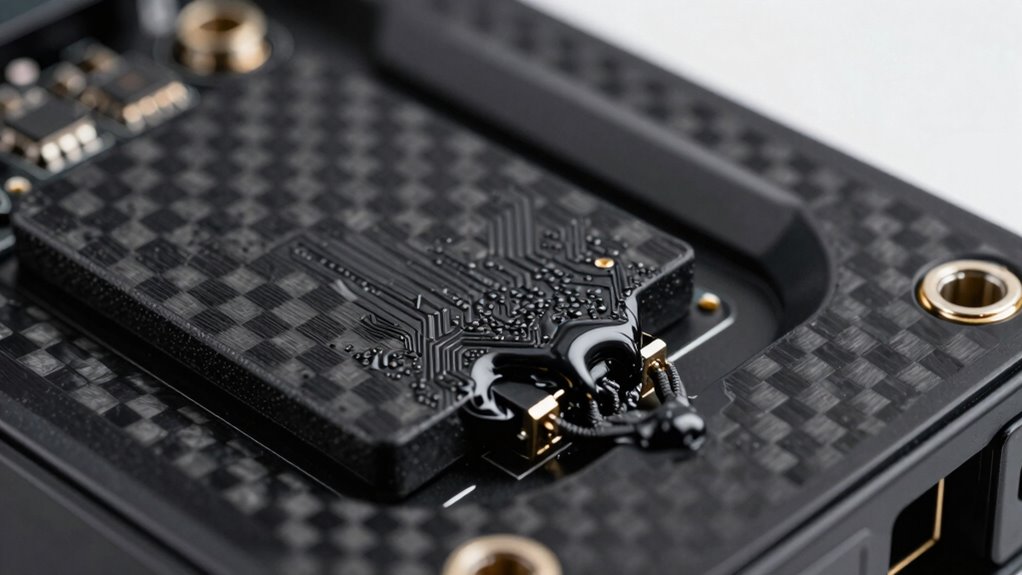

Carbon paste matters on some builds because it provides reliable electrical connections and helps manage heat where traditional soldering isn’t suitable. It offers low resistance pathways, ensuring stable signals and reducing heat buildup, which protects sensitive components. Plus, it’s easy to apply, flexible, and resistant to corrosion, making it ideal for custom, high-performance, or harsh environment projects. Keep exploring to discover more about how this versatile material can enhance your builds.
Key Takeaways
- Carbon paste provides excellent thermal management, preventing overheating of high-performance components.
- It offers reliable electrical conductivity, ensuring consistent connections where soldering isn’t feasible.
- Easy to apply and shape, making it ideal for custom modifications and repairs in complex builds.
- Its durability and resistance to environmental factors ensure long-term stability in harsh conditions.
- Carbon paste is essential for managing heat and electrical connections in specialized or flexible circuit designs.
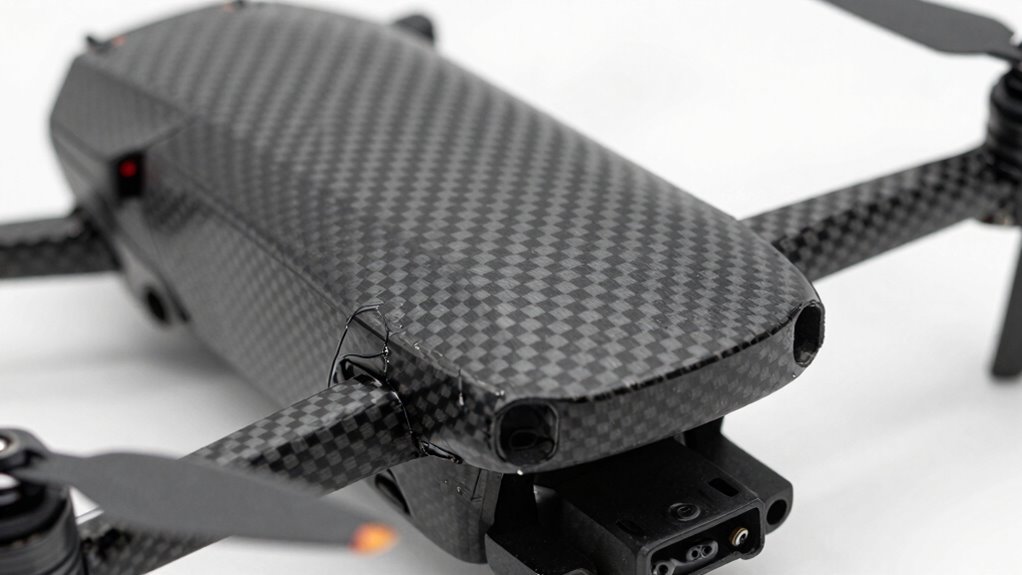
When building electronics or customizing hardware, you might overlook the importance of carbon paste, but it plays a essential role in certain setups. This conductive material is indispensable for ensuring efficient heat transfer and reliable electrical connections, especially in high-performance or specialized projects. Carbon paste’s ability to conduct heat—thermal conductivity—is fundamental when managing the temperature of components like transistors, power regulators, or LEDs. By improving heat dissipation, it helps prevent overheating, which can lead to component failure or reduced lifespan. Without proper thermal management, your build might become unreliable or inefficient, making carbon paste an unsung hero in maintaining system stability. Additionally, its thermal conductivity allows for better heat management compared to some other materials, further enhancing build reliability.
Carbon paste enhances heat dissipation and reliable connections in high-performance electronics, preventing overheating and ensuring system stability.
In addition to thermal management, carbon paste considerably influences electrical resistance within your circuit. Its conductive properties enable it to serve as a dependable electrical contact point, especially where traditional soldering isn’t suitable or practical. For instance, when you need to connect flexible or delicate components, applying carbon paste can provide a low-resistance pathway, ensuring consistent electrical flow. Its ability to reduce electrical resistance at contact points helps prevent signal loss or power dips, which could otherwise cause malfunctions or degraded performance. This makes carbon paste invaluable in applications like sensor interfaces, flexible circuits, or custom prototypes where standard methods fall short.
Another reason carbon paste matters is its versatility and ease of application. Unlike solder, which requires heat and can sometimes damage sensitive parts, carbon paste can be applied with simple tools and cured at relatively low temperatures. This flexibility allows you to quickly modify or repair circuits on the fly, saving time and reducing risk. Plus, because it’s a conductive material, you can cut, shape, and position it precisely where you need it, creating custom connectors or bridging gaps that might be difficult with traditional solder.
Furthermore, carbon paste’s stability under various conditions makes it suitable for use in harsh environments. It resists corrosion and maintains conductivity over time, ensuring your build remains dependable despite exposure to moisture, temperature fluctuations, or mechanical stress. This durability adds an extra layer of security, especially in outdoor or industrial applications.
carbon conductive paste for electronics
As an affiliate, we earn on qualifying purchases.
As an affiliate, we earn on qualifying purchases.
Frequently Asked Questions
Can Carbon Paste Improve Electrical Conductivity in All Types of Builds?
No, carbon paste doesn’t improve electrical conductivity in all builds. It offers conductivity enhancement mainly when used with compatible materials, like certain metals and substrates. If the material isn’t compatible, the paste may not bond well, reducing its effectiveness. You should assess material compatibility first to guarantee the carbon paste can truly enhance conductivity in your specific build, avoiding potential issues like poor adhesion or inconsistent performance.
Is Carbon Paste Suitable for High-Temperature Applications?
Imagine a fiery forge—can it withstand the intense heat? Carbon paste offers excellent thermal stability, making it suitable for high-temperature applications. It resists degradation and maintains conductivity under extreme conditions. However, you must consider material compatibility; not all components handle the paste well. So, if your build demands enduring heat and compatibility, carbon paste can be your trusty armor, protecting and performing under fiery circumstances.
How Long Does Carbon Paste Typically Last Before Reapplication?
Carbon paste typically lasts around one to two years before you need to reapply it, depending on paste durability and usage conditions. If you notice increased resistance or uneven performance, it’s time for reapplication. Regular checks are essential, especially in high-temperature or high-stress builds. By reapplying when necessary, you guarantee maximum electrical conductivity and protection, maintaining your build’s reliability and efficiency over time.
Are There Safety Concerns When Applying Carbon Paste?
Yes, there are safety concerns when applying carbon paste. You should follow safety precautions, like working in a well-ventilated area and wearing gloves and eye protection, to avoid chemical hazards. The paste contains chemicals that can irritate your skin or eyes and might be harmful if inhaled. Always read the manufacturer’s instructions carefully and handle it with care to prevent any health risks during application.
Can Carbon Paste Be Used on Delicate or Sensitive Components?
Yes, you can use carbon paste on delicate or sensitive components if you guarantee proper component compatibility and follow careful application techniques. You should apply a thin, even layer, avoiding excess that could cause shorts or damage. Testing on a small area first helps prevent unintended effects. If you’re cautious and precise, carbon paste can improve conductivity without harming sensitive parts, making it suitable for specific applications.
Conclusion
In the grand symphony of a build, carbon paste acts as the maestro’s baton, guiding your components to harmony. Without it, your connections risk discord, like a melody lost in static. Embrace this humble conductor, and you’ll guarantee your creation resonates with precision and resilience. Remember, sometimes the smallest elements hold the power to transform chaos into a masterpiece—making carbon paste the silent hero behind your perfect build.