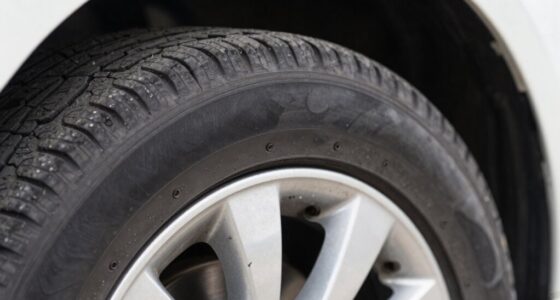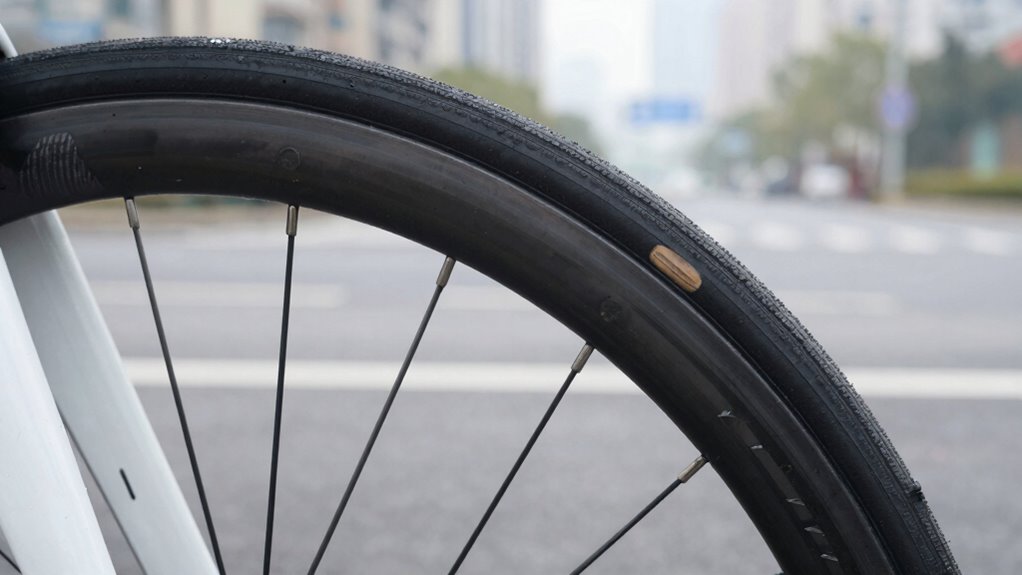

If you ride daily, puncture protection matters because it prevents unexpected flats that can disrupt your routine. Reliable tires guarantee your commute, errands, and leisure plans stay on track without stress or delays. Using sealants, coatings, or reinforced tires provides peace of mind, saving you time and money on repairs. Proper protection also boosts your confidence and safety on the road. Keep going to discover more ways to maximize your puncture prevention and enjoy worry-free rides.
Key Takeaways
- Daily riders rely heavily on their bikes, making puncture protection essential to prevent frequent flats and ride disruptions.
- Consistent puncture protection reduces maintenance time, ensuring reliable and worry-free daily commuting.
- Protecting tires extends their lifespan, saving money and reducing waste from frequent replacements.
- Puncture-resistant solutions boost rider confidence, promoting safer and more enjoyable daily cycling.
- Easy-to-apply coatings and sealants support routine maintenance, enhancing long-term protection and ride dependability.
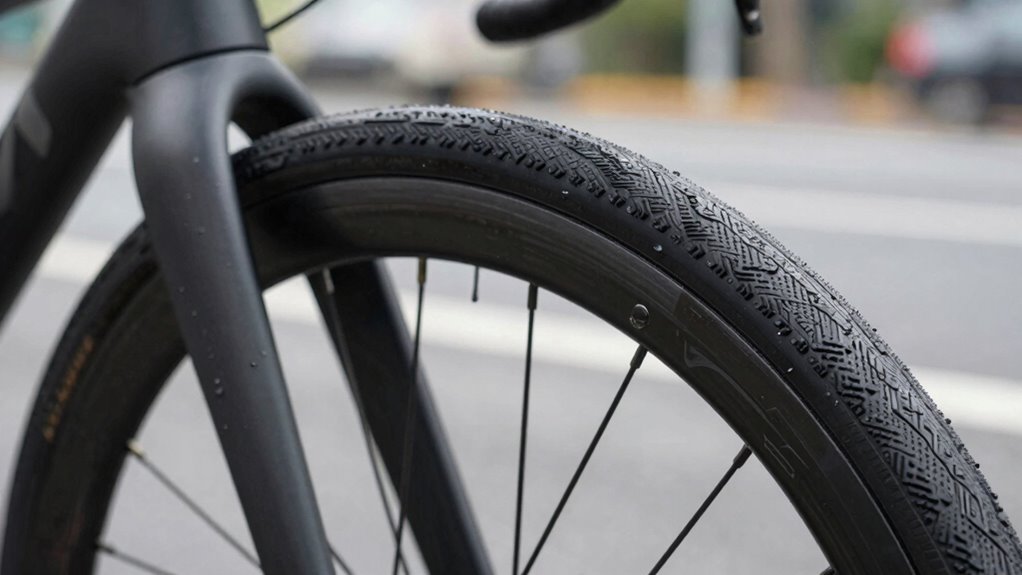
Puncture protection is essential for daily riders who want to avoid unexpected flats and keep their rides smooth and worry-free. Every day, you rely on your bike to get you to work, run errands, or simply enjoy a ride through the neighborhood. When a flat strikes, it disrupts your routine, wastes your time, and can even dampen your enthusiasm for cycling. That’s why investing in effective puncture protection isn’t just a luxury—it’s a necessity. Tire sealant is one of the most popular solutions, as it works inside your tires to quickly seal small holes caused by thorns, glass, or other debris. When a puncture occurs, the sealant flows into the hole and clogs it almost instantly, preventing air from escaping and allowing you to continue riding without interruption. This quick, in-tire response makes tire sealant a favorite among daily commuters who need reliability and convenience.
In addition to sealants, puncture resistant coatings and tires provide a proactive layer of defense. These coatings are applied to the tire surface or integrated into the tire itself, creating a barrier that resists penetration from sharp objects. Puncture resistant tires often feature reinforced sidewalls or internal linings made from materials like Kevlar or aramid fibers, which significantly reduce the likelihood of flats. When you combine these coatings with tire sealant, you get a dual-layer protection system that’s especially beneficial for daily riders. It’s not just about avoiding flats; it’s about maintaining confidence in your ride. You don’t want to be caught mid-commute with a flat or worrying about every piece of debris on the road.
Furthermore, puncture resistant coatings and sealants are easy to apply and maintain, making them ideal for routine use. You can add tire sealant during your regular tire maintenance, and many tires come pre-treated with puncture resistant layers. These options save you time and hassle, so you can focus on your ride instead of worrying about flats. They also tend to be cost-effective because they extend the life of your tires and reduce the need for constant repairs or replacements. Regular use of puncture resistant layers can significantly enhance your riding experience by providing ongoing protection. Incorporating bicycle safety measures like puncture protection not only ensures a smoother ride but also contributes to a more sustainable approach by reducing waste from frequent tire replacements. Proper maintenance practices also help maximize the effectiveness of puncture protection systems, ensuring you get the most out of your investment. Additionally, understanding the different types of puncture protection available allows riders to choose the best options suited for their specific needs and riding environments.

Slime 10003 Bike Tube Puncture Repair Sealant, Prevent and Repair, Suitable for All Bicycles, Non-Toxic, Eco-Friendly, 8oz Bottle
- Prevents and Repairs Flats: Quickly seals punctures up to 3mm
- Easy to Use: Compatible with all bicycles
- Eco-Friendly Formula: Non-toxic and environmentally safe
As an affiliate, we earn on qualifying purchases.
As an affiliate, we earn on qualifying purchases.
Frequently Asked Questions
How Often Should Puncture Protection Be Replaced?
You should replace puncture protection materials whenever you notice signs of wear, cracking, or reduced effectiveness, typically every 3,000 to 5,000 miles, depending on your riding habits. Incorporate it into your maintenance routine to extend tire longevity and guarantee safety. Regular inspections help catch issues early, preventing flats and damage. Don’t wait until you get a flat; proactive replacement keeps your ride smooth and protected.
Does Puncture Protection Significantly Increase Tire Weight?
Back in the day, puncture protection adds a bit of weight but isn’t a deal-breaker. It does slightly impact tire durability and ride comfort, but modern materials keep weight minimal. You’ll notice a small increase, yet the added protection against flats outweighs the extra grams. For daily riding, this trade-off is worth it, ensuring your tires last longer and your ride stays smooth without frequent interruptions.
Can Puncture-Resistant Tires Be Repaired After a Flat?
Yes, puncture-resistant tires can often be repaired after a flat. Their durability depends on the damage’s extent and the repair techniques used. Minor punctures in the tread area usually get patched or plugged, restoring tire integrity. However, if the puncture is near the sidewall or too large, replacement might be necessary. You should always assess the damage carefully to guarantee effective repairs and maintain your tire’s durability.
Are Puncture Protection Features Visible on Tires?
Puncture protection features are usually not visible on tires, so they don’t affect tire aesthetics. These protective layers are embedded within the tire’s construction, providing discreet protection that you might not notice at a glance. While protection visibility is limited, it’s designed to offer reliable puncture resistance without compromising the tire’s look. So, you get peace of mind without sacrificing style or overall aesthetics.
What Is the Cost Difference Between Regular and Puncture-Resistant Tires?
You’ll find that puncture-resistant tires typically cost more than regular tires, usually by about 20-40%. This price difference reflects their enhanced tire durability and better ride comfort, especially important for daily riders. While the initial expense is higher, the added protection reduces the risk of flats, saving you money and hassle over time. Investing in puncture-resistant tires can make your daily commute smoother and more reliable.
Conclusion
Protecting yourself from punctures isn’t just about avoiding flats; it’s about ensuring your daily commute stays smooth and stress-free. Did you know that puncture-resistant tires can reduce flat incidents by up to 80%? This means fewer delays, less hassle, and more confidence on your ride. Investing in puncture protection isn’t just a smart choice—it’s a game-changer for your daily routine, helping you arrive on time and stress-free every single day.