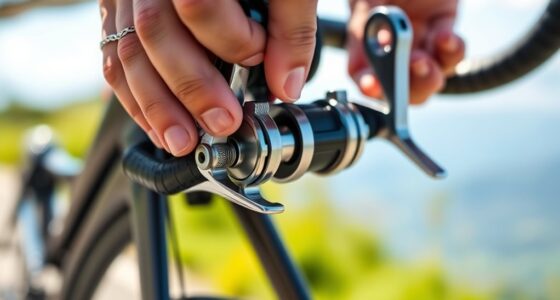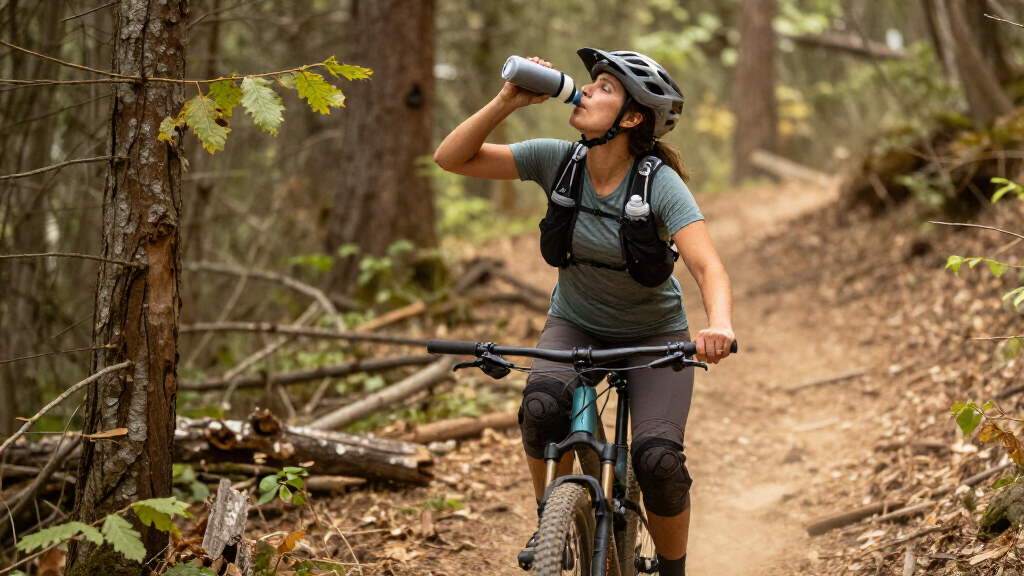

Choosing a mountain bike hydration pack is a choice between carrying more and feeling less encumbered. A hydration backpack puts a water reservoir and useful trail gear on your back, making it a reliable option for long rides, remote routes, and riders who want to carry layers or repair supplies. A hydration hip pack sits around the waist, often with a smaller reservoir, and leaves the back and shoulders largely free.

Get sports gear delivered free — and shop member deals
- Fast, free delivery on millions of items
- Access to Prime Big Deal Days deals on October 6–7
- Prime Video, Amazon Music and more included
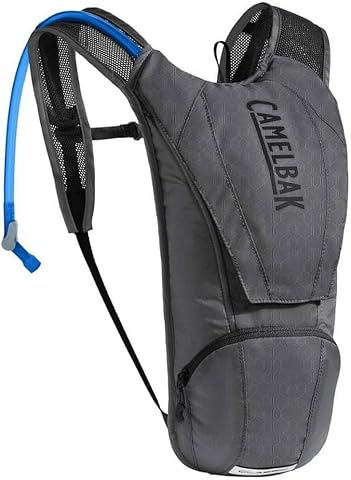
CamelBak Classic Bike Hydration Pack
- ✔ Reservoir capacity: 85 oz
- ✔ Reservoir: Crux reservoir
- ✔ Reservoir features: Ergonomic handle and on/off lever
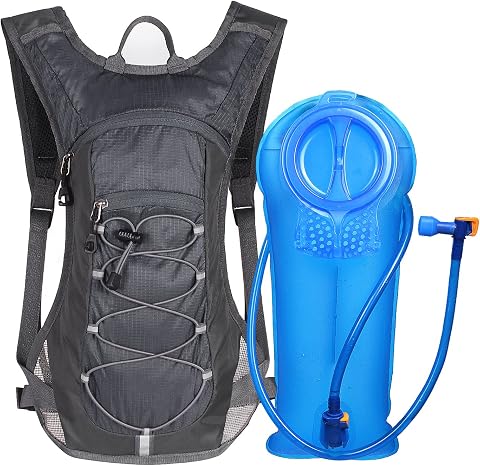
Unigear Hydration Pack Backpack with 2L Water Bladder
- ✔ Material: Nylon
- ✔ Dimensions: 16.5 × 8 × 6 inches
- ✔ Weight: 1.1 lb with bladder

NEVO RHINO 12L Hydration Backpack with 2L Water Bladder
- ✔ Capacity: 12 L
- ✔ Weight: 8.5 oz
- ✔ Water bladder capacity: 2 L
Neither style is automatically better on every trail. The backpack usually wins on capacity and self-sufficiency; the hip pack usually wins on ventilation and access. Short rides with dependable water stops tend to favor a hip pack, while long, hot, or remote rides make a backpack’s extra volume more valuable. The deciding question is how much you need to carry—and whether you prefer that weight on your shoulders or around your waist.
At a Glance
| Criteria | Mountain bike hydration backpack | Mountain bike hydration hip pack | Winner |
|---|---|---|---|
| Water and gear capacity | Usually holds a larger reservoir and more tools, food, and clothing | Usually carries less water and fewer items; capacity varies by design | A |
| Ventilation and body coverage | Covers much of the back, which can trap heat | Leaves most of the back uncovered for better airflow | B |
| Comfort and weight distribution | Spreads load across the shoulders and back; heavier when fully packed | Avoids shoulder straps but concentrates weight around the waist | Depends |
| Stability on rough trails | Can feel secure when fitted and adjusted, but a tall load may shift | Can bounce or rotate if overloaded or poorly fitted; a snug, balanced load helps | Depends |
| Access while riding | Some essentials are reachable, but most items require stopping or removing the pack | Often offers convenient access to snacks and small tools, though reaching while moving can still distract | B |
| Best ride length and conditions | Long, remote, hot-weather, or variable-condition rides | Short to medium rides with a known route and limited cargo | Depends |
| Typical value | Often costs more, but replaces several carrying solutions for riders who need the space | Often a lower-cost, lighter choice when its smaller capacity is enough | Depends |
CamelBak Classic Bike Hydration Pack
The CamelBak Classic leads this comparison for one specific reason: its 85 oz Crux reservoir is the largest stated water capacity here. That makes it the most compelling choice for riders who want to carry more water between refill opportunities, rather than relying on the 2-liter bladders supplied with the NEVO RHINO and Unigear. Its ergonomic reservoir handle and on/off lever are practical details for filling and controlling water flow, while the breathable air-mesh back panel and ventilated mesh harness speak directly to carrying comfort on a ride.It is also the most explicitly bike-focused option in the lineup. Reflective accents can help make a rider more visible in low light, and the small zippered pocket gives essentials a defined place. But do not mistake the larger reservoir for an all-purpose cargo advantage: storage is limited to that small pocket. Compared with the NEVO RHINO’s stated 12-liter capacity, the CamelBak offers much less described room for extra items. The Unigear, meanwhile, gives more explicit adjustment detail at the waist and chest. The supplied specifications do not state the CamelBak’s total pack capacity, weight or water-resistance rating, so riders should verify those details if they matter to their setup.We place it first for mountain bikers whose main selection criterion is water volume and whose ride essentials fit in a compact pocket. Riders carrying a repair kit, spare clothing or substantial food should look beyond it, particularly toward the NEVO RHINO’s larger stated capacity, and confirm that the Classic’s pocket can accommodate their specific items.
Pros:
- 85 oz Crux reservoir offers the highest stated water capacity of these three packs.
- Breathable air-mesh back panel and ventilated mesh harness are suited to carrying comfort.
- Reservoir has an ergonomic handle and on/off lever.
- Reflective accents and a zippered pocket add useful ride-focused details.
Cons:
- Storage is limited to a small zippered pocket.
- The supplied specifications do not state total pack capacity, pack weight or water-resistance rating.
Best for: Mountain bikers who want the largest stated reservoir in this group and prefer a breathable, bike-oriented harness for longer rides.
Not ideal for: Riders who need space for tools, extra layers or a larger set of trail essentials, or who require published pack-weight and weather-resistance details before buying.
Bottom line: We recommend the CamelBak Classic when carrying more water matters more than having room for extra gear.
“We recommend the CamelBak Classic when carrying more water matters more than having room for extra gear.”
Unigear Hydration Pack Backpack with 2L Water Bladder
For riders who value a pack that can be cinched down, the Unigear makes a stronger fit case than the other two picks. It lists adjustable shoulder, chest and waist straps, with a stated chest fit range of 27 to 50 inches. That gives buyers more explicit adjustment information than the NEVO RHINO’s listed shoulder and chest strap ranges, and more detail than the CamelBak specifications provide. Those straps are intended to help reduce bouncing while moving—an important consideration on rough trails, where a loose load can become distracting.The included replaceable 2-liter BPA-free bladder is a useful middle ground for rides where the CamelBak’s larger 85 oz reservoir is more water than needed. Its compact nylon pack weighs 1.1 pounds with the bladder, and splash-resistant fabric offers some protection from light moisture. However, that wording matters: splash resistance is not a promise of protection in heavy rain. The small front pocket is also explicitly limited, so this is not the pick for packing a substantial tool kit or extra clothing.Compared with the NEVO RHINO, the Unigear gives more specific waist-adjustment and fit-range details, while the NEVO RHINO makes a clearer case for cargo capacity with its stated 12 liters. Compared with the CamelBak, the Unigear prioritizes adjustability and a replaceable 2-liter reservoir over maximum water volume and listed bike-specific touches such as reflective accents. We see it as a focused option for riders who want a compact pack they can adjust closely, provided they are comfortable keeping carried gear minimal.
Pros:
- Adjustable shoulder, chest and waist straps support a more customizable fit.
- Chest fit is specified for 27–50 inches.
- Includes a replaceable 2-liter BPA-free bladder.
- Compact, splash-resistant nylon construction is described for outdoor use.
Cons:
- The small front pocket offers limited storage for ride essentials.
- Splash resistance may not protect belongings in heavy rain.
- At 1.1 pounds with the bladder, it is heavier than the NEVO RHINO’s listed 8.5-ounce weight, though the supplied weight details may not describe identical configurations.
Best for: Riders seeking an adjustable, compact hydration pack with a replaceable 2-liter bladder and explicit chest-fit information.
Not ideal for: Mountain bikers who need ample room for trail tools or layers, want more water than a 2-liter reservoir provides, or expect strong rain protection.
Bottom line: We favor the Unigear for riders who want explicit strap adjustment and a replaceable 2-liter bladder, not for carrying a full trail kit.
“We favor the Unigear for riders who want explicit strap adjustment and a replaceable 2-liter bladder, not for carrying a full trail kit.”
NEVO RHINO 12L Hydration Backpack with 2L Water Bladder
The NEVO RHINO is the most cargo-oriented choice in this group, with a stated 12-liter capacity alongside its included 2-liter bladder. That combination is more compelling for riders who carry more than water and a phone, such as those packing snacks, a light layer or other small essentials. The description also calls out multiple pockets, giving it a clearer storage advantage over the CamelBak Classic’s single small zippered pocket and the Unigear’s limited front pocket.Its listed 8.5-ounce weight is notably light, and the breathable mesh back and adjustable straps support a simple, lightweight carry. The nylon is described as water-resistant and tear-resistant, which is a stronger stated fabric-protection claim than the Unigear’s splash-resistant finish. Still, water-resistant does not mean waterproof, and buyers should protect sensitive items separately in sustained wet conditions. The 2-liter bladder also offers less stated water volume than the CamelBak’s 85 oz reservoir, so the extra cargo capacity does not make it the best choice for rides where water is the overriding concern.Compared with the Unigear, the NEVO RHINO gives a clearer storage case, while the Unigear provides a specified chest-size range and adjustable waist strap. Compared with the CamelBak, the NEVO RHINO is the more practical option for carrying additional gear, but the CamelBak is more explicitly tailored to biking and holds more water. We rank the NEVO RHINO third overall because its versatile storage and light listed weight are useful, yet the available details do not establish a mountain-bike-specific harness, a waist adjustment or an organized tool-carry layout. Riders should check the pocket arrangement and fit before expecting it to work like a dedicated trail pack.
Pros:
- Stated 12-liter capacity and multiple pockets provide the strongest described cargo option here.
- Listed weight is 8.5 oz.
- Includes a 2-liter BPA-free, food-grade PEVA bladder with a leak-resistant bite valve.
- Water-resistant, tear-resistant nylon and a breathable mesh back are specified.
Cons:
- The 2-liter bladder holds less than the CamelBak’s listed 85 oz reservoir.
- The supplied details do not specify a waist strap, cycling-specific harness or dedicated tool organization.
- Water-resistant fabric should not be treated as waterproof protection.
Best for: Riders who want a light, 12-liter pack with multiple pockets for small essentials and a 2-liter bladder.
Not ideal for: Riders whose priority is maximum water capacity, a specified waist strap for controlling movement, or proven waterproof protection.
Bottom line: We choose the NEVO RHINO when extra cargo room and a light listed pack weight matter more than maximum water volume or bike-specific fit details.
“We choose the NEVO RHINO when extra cargo room and a light listed pack weight matter more than maximum water volume or bike-specific fit details.”
As an Amazon Associate we earn from qualifying purchases.
Key Differences
The largest practical difference is what each style lets you bring. A backpack has room for more water, a pump, repair kit, food, and an extra layer, so it supports rides where resupply is uncertain or weather and trail conditions may change. That capacity is useful only if you need it: carrying a half-empty pack on every short ride can mean extra weight and more covered skin for no real benefit. A hip pack encourages a smaller kit and keeps your back more open, but its limited space can force tradeoffs between water, tools, and clothing.
Comfort comes down to both heat and load placement. A backpack’s shoulder straps and back panel can feel hot, especially during hard climbing in warm weather, yet the broad contact area can distribute a heavier load. A hip pack improves airflow and avoids shoulder straps, but its weight sits at the waist and may bounce or shift if the fit is loose or the pack is overloaded. Pack shape, fit, and how the load is balanced matter enough that there is no universal comfort winner.
For most riders, value follows ride type rather than the product category. Choose a hip pack if you usually ride short, familiar routes and want to carry the basics without paying for unused volume. Pay more for a backpack when extra water and gear make your rides safer or more practical. If your rides vary widely, a small pack and a backpack can each have a role; buying both is not necessary if one well-chosen setup covers your typical outings.
Detailed Comparison
Water and gear capacity (Mountain bike hydration backpack wins — major)
The backpack wins by a major margin. It generally has room for a larger reservoir plus a broader set of trail essentials, such as a repair kit, food, and an extra layer. That matters on long rides, remote trails, or routes where water access is uncertain. A hip pack is sufficient when the ride is short and the rider knows what the route requires, but its smaller storage space makes a full backup kit harder to carry.
Ventilation and body coverage (Mountain bike hydration hip pack wins — moderate)
The hip pack wins, usually by a moderate margin. It leaves most of the back uncovered and has no shoulder straps, which can make it more comfortable in hot weather or during strenuous climbs. A backpack covers more of the torso and can hold heat against the back. This is a real advantage for riders who run warm, though clothing, pack design, and conditions affect how noticeable it is.
Comfort and weight distribution (moderate difference)
This is a fit-dependent tradeoff. A backpack spreads its load over the shoulders and back, which can feel more balanced when carrying substantial water and gear. A hip pack avoids shoulder pressure and can feel less intrusive with a light load, but puts that load around the waist. The difference is moderate: for a light kit, many riders will prefer the hip pack; for a heavier kit, the backpack’s broader support is often more practical.
Stability on rough trails (minor difference)
Neither style wins in every setup. A properly adjusted backpack can stay close to the body, though a high or loosely packed load may shift. A hip pack can move or rotate around the waist, especially when overloaded, but a snug fit and balanced contents help. The gap is minor when each pack fits well and major only when a design is poorly secured for the rider or terrain. Try the intended load and riding position before committing when possible.
Access while riding (Mountain bike hydration hip pack wins — moderate)
The hip pack has a moderate convenience advantage. Snacks and small items may be easier to reach without removing it, and some designs keep key items near the waist. A backpack can store more, but its compartments are typically less convenient to access on the move. Reaching for gear while riding can distract on technical trails, so stop when you need both hands or full attention, regardless of pack style.
Best ride length and conditions (major difference)
The winner depends on the ride. A backpack is the stronger choice for long days, remote routes, hot conditions that demand extra water, or rides where layers and repair gear are prudent. A hip pack suits short to medium rides with known water access and modest equipment needs. This is a major fit difference: choosing the wrong capacity can either add needless weight or leave too little room for the essentials.
Typical value (moderate difference)
Neither is the better value for everyone. A hip pack often costs less and delivers better value when it covers a rider’s usual short-ride needs. A backpack can justify its higher cost when it carries water and gear that would otherwise require another bag or make a ride less practical. The size of the price gap varies by model, so judge value against fit, materials, reservoir setup, and the capacity you will actually use.
Mountain bike hydration backpack: Pros and Cons
Pros:
- Carries more water and trail equipment
- Well suited to long, remote, or variable-condition rides
- Can distribute a heavier load across the back and shoulders
Cons:
- Covers the back and may feel hot
- Adds bulk and can feel excessive on short rides
- Items are generally less convenient to reach while riding
Mountain bike hydration hip pack: Pros and Cons
Pros:
- Leaves most of the back uncovered for airflow
- Keeps shoulder straps off the rider
- Often provides convenient access to small essentials
Cons:
- Limited room for water, tools, and extra clothing
- Can bounce or rotate if fit is loose or the load is heavy
- May not suit remote rides that require substantial water and backup gear
Who Should Choose What
Choose Mountain bike hydration backpack if:
- You ride for several hours or travel on remote trails without reliable water stops.
- You need to carry an extra layer, a repair kit, food, and more water together.
- You prefer one pack that can handle both short rides and gear-heavy days, even if it feels bulkier.
Choose Mountain bike hydration hip pack if:
- Most rides are short or medium length, with water access planned along the route.
- You run hot or dislike shoulder straps and a covered back.
- You carry a small kit and value a lighter, less restrictive setup over extra storage.
Skip both if: Skip both if your rides are very short and you already have convenient water access and a secure way to carry the few essentials you need; a bottle and a small saddle or frame bag may be simpler.
Value for Money
A hip pack is usually the better value for riders whose routine fits its limits. Paying less for unused backpack capacity makes little sense if most rides are short and a small tool kit and modest water supply are enough. But price alone is a poor guide: a hip pack that cannot carry the water or repair essentials a route calls for is a false economy.
Pay more for a backpack when its extra capacity supports the rides you actually do, not an occasional imagined scenario. On long or remote outings, carrying enough water, food, and basic repair gear can make the added cost and weight worthwhile. Compare models by fit, usable storage, reservoir compatibility, and how securely the load rides. A well-fitting pack that suits your normal rides is better value than a cheaper or more expensive pack that stays at home.
Final Verdict
For most riders choosing one pack specifically for short to medium mountain bike rides, start with a hip pack: it keeps the back open, avoids shoulder straps, and carries a modest kit with less bulk. Choose a backpack instead if long or remote rides are common, or if you routinely need extra water, tools, food, and a layer. Its additional cost and heat are justified when that capacity is genuinely useful.
The biggest deciding factor is not which style is universally more comfortable; it is whether you need the backpack’s extra carrying space. If you do, the backpack is the clear choice. If you do not, the hip pack is generally the more sensible everyday buy.
Frequently Asked Questions
Is a hip pack enough for a full day of mountain biking?
It can be, if its water capacity suits the route and you have dependable refill points. For a remote day with no resupply, limited space may make a hip pack a poor fit. Plan around ride length, conditions, and your water needs rather than assuming the pack’s stated capacity is sufficient.
Which style is cooler in hot weather?
A hip pack generally leaves more of the back uncovered, so it has the ventilation advantage. A backpack’s back panel and shoulder straps cover more skin. How much this affects comfort depends on heat, effort, clothing, and the pack’s design.
Does a hip pack bounce more than a hydration backpack?
It can, particularly when loose or overloaded, but fit and load balance matter. A snug hip pack with the weight held close can feel stable; a backpack can also shift if poorly adjusted or packed high. Test either style with the amount of gear you expect to carry.
Should I pay more for a hydration backpack?
Pay more if the larger water and gear capacity serves your regular rides, especially long or remote ones. If you mainly ride short routes with easy water access and carry few essentials, a lower-cost hip pack is likely the better value.
NFL season / tailgating Picks
team gear
As an affiliate, we earn on qualifying purchases.