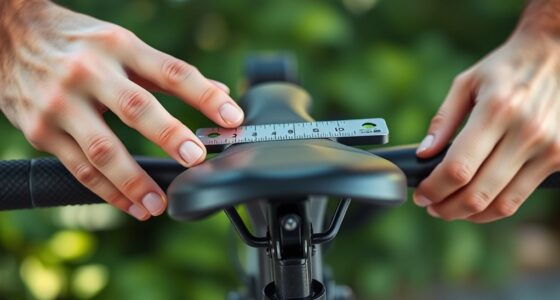
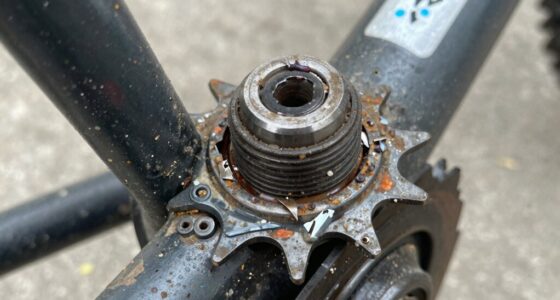
Pressure washing your bike can make it look shiny and clean quickly, but it also risks causing damage. High-pressure streams can force water into delicate parts like bearings and headsets, leading to rust and corrosion. To avoid problems, use gentle techniques like soft brushes and mild soap, keeping the nozzle at a safe distance. Want to learn how to clean your bike effectively without risking damage? Keep exploring to find out more.

Get sports gear delivered free — and shop member deals
- Fast, free delivery on millions of items
- Access to Prime Big Deal Days deals on October 6–7
- Prime Video, Amazon Music and more included
Key Takeaways
- Pressure washing can effectively clean bikes but risks damaging delicate components if not done carefully.
- High-pressure streams may force water into bearings, causing rust and corrosion.
- Gentle cleaning methods like soft brushes and mild soap are safer for regular bike maintenance.
- Keeping the nozzle at a safe distance and avoiding direct spray on sensitive areas reduces water intrusion risks.
- Proper bike maintenance includes regular cleaning, inspection, and lubrication without relying solely on pressure washing.
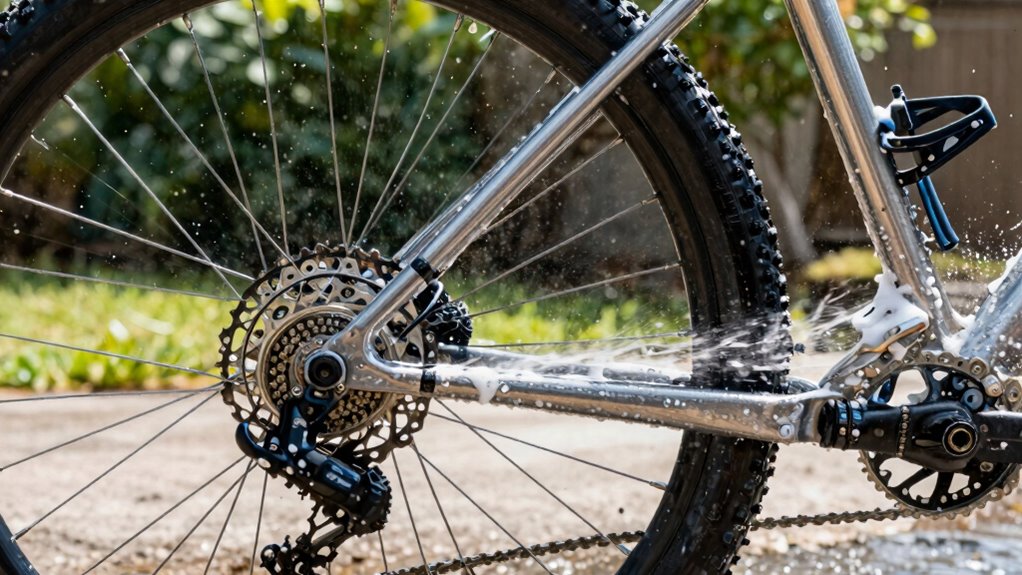
Have you ever wondered if pressure washing is a safe and effective way to clean your bike? It’s a common question among bike enthusiasts who want to keep their rides looking their best without risking damage. While pressure washing can make your bike look sparkling clean quickly, it’s essential to understand how it fits into your overall bike maintenance routine and what cleaning techniques work best.
Using a pressure washer might seem like a fast fix, but it’s not always the optimal choice for every part of your bike. High-pressure streams can force water into areas that are meant to stay dry, such as bearings, the bottom bracket, or the headset. Water intrusion in these parts can lead to rust, corrosion, or premature wear, ultimately making your bike less reliable and more costly to repair. That’s why many bike maintenance experts recommend avoiding direct, high-pressure spray on delicate components. Instead, they suggest using gentler cleaning techniques, like a soft brush and mild soap, to remove dirt and grime without risking damage. Proper cleaning techniques are crucial for maintaining your bike’s longevity and performance. Additionally, understanding water penetration risks can help you better assess when pressure washing is appropriate or when to opt for other methods. Being aware of water pressure levels can also help prevent accidental damage during cleaning.
Furthermore, employing preventive maintenance practices, such as regular inspections and lubrication, can minimize the need for aggressive cleaning methods altogether. Regularly checking for signs of wear and tear can also alert you to potential issues before they escalate, reducing the necessity for intensive cleaning sessions. If you decide to use a pressure washer, it’s imperative to do so carefully. Keep the nozzle at a safe distance—usually around 3 to 4 feet—and avoid aiming it directly at sensitive areas. Instead, focus on the frame, wheels, and chain, keeping the spray at an angle that minimizes water penetration. You should also turn off the pressure washer between sprays to control the force more precisely. Remember, the goal of cleaning techniques isn’t just to make your bike look good but also to preserve the integrity of its components. Proper bike maintenance involves regular cleaning, lubrication, and inspection, which can be done effectively with hand tools and gentle cleaning solutions. Additionally, understanding air quality principles can help prevent moisture buildup and rust formation over time.
As an affiliate, we earn on qualifying purchases.
Frequently Asked Questions
Is Pressure Washing Safe for All Bike Types?
Pressure washing isn’t safe for all bike types, especially delicate ones. You should avoid high-pressure water near the bike frame, chain, and components, as it can cause damage or force water into areas needing lubrication. After washing, remember to reapply chain lubrication to prevent rust. For sensitive bikes, consider gentle cleaning methods to maintain your bike’s integrity and guarantee smooth performance without risking damage.
How Often Should I Pressure Wash My Bike?
You should pressure wash your bike every few months to keep it clean and maintain its value. Regular cleaning helps with bike maintenance by removing dirt, grime, and debris that can cause rust or damage. Be mindful of the environmental impact; use eco-friendly cleaning solutions and avoid high-pressure water on sensitive parts. This routine keeps your bike in top shape while minimizing environmental harm.
Can Pressure Washing Damage Bike Components?
Imagine a powerful jet of water blasting over your bike, risking not just dirt but delicate parts. Pressure washing can damage bike components by forcing water into areas like bearings or the bottom bracket. It can also strip away paint and wash away protective grease, leaving behind chemical residues that cause corrosion. To avoid this, use gentle pressure and avoid direct spraying on sensitive areas, protecting your bike’s integrity.
What Cleaning Solutions Are Best for Pressure Washing Bikes?
You should use eco-friendly detergents and degreasing agents when pressure washing your bike. Eco-friendly detergents effectively clean without harming the environment, while degreasing agents break down grease and grime on chains and gears. Always dilute these solutions properly and avoid applying them directly to delicate components. Using the right cleaning solutions guarantees your bike stays in good condition and performs at its best after each wash.
Should I Remove Bike Parts Before Pressure Washing?
Yes, you should remove or cover sensitive bike parts before pressure washing. Take off accessories and protect delicate components like the bike paint and chain lubrication areas. Removing parts prevents water damage and helps maintain the bike’s finish. Applying chain lubrication afterward ensures smooth operation. By prepping your bike properly, you avert unnecessary wear and tear, keeping your bike looking great and functioning well after the pressure wash.
Conclusion
Think of pressure washing your bike like polishing a gem—you want it to shine without risking damage. When done carefully, it’s a quick way to remove dirt and grime, restoring your bike’s sparkle. Just remember to keep the pressure gentle and avoid sensitive parts. With a little caution, you’ll keep your bike gleaming and ready for the road, like a star ready to light up the trail. Clean with care, and enjoy the ride!
NFL season / tailgating Picks
team gear
As an affiliate, we earn on qualifying purchases.