
The lifespan of tubeless valves depends on your material choice, environmental conditions, and maintenance habits. Brass valves typically last several years with proper care, while aluminum or plastic ones may wear faster, especially in harsh conditions. Regular inspections, gentle handling, and keeping valves clean can extend their durability. If you stick to good practices, they can serve you well for many seasons. To discover more tips on maximizing their longevity, keep exploring further.
Key Takeaways
- The typical lifespan of tubeless valves ranges from 2 to 5 years, depending on material and environmental conditions.
- Brass valves tend to last longer due to superior corrosion resistance compared to aluminum or plastic.
- Regular maintenance, including inspection and cleaning, can significantly extend valve lifespan.
- Harsh riding environments and frequent use accelerate wear and reduce valve longevity.
- Proper handling during installation and inflation prevents damage and prolongs valve functionality.

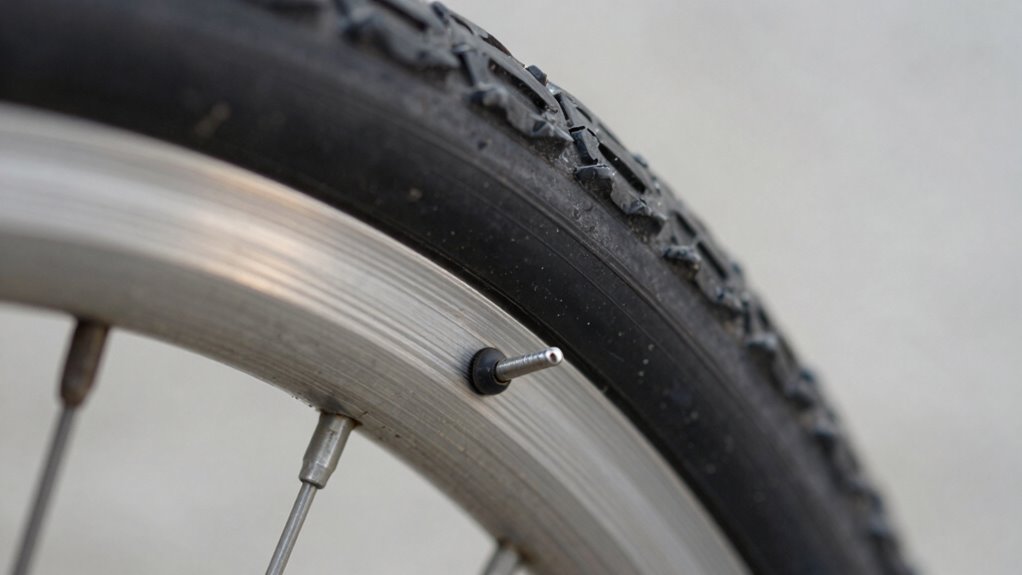
Ever wondered how long your tubeless valves last? The lifespan of these components depends on several factors, primarily the valve materials and how well you maintain them. Different materials, like brass, aluminum, or plastic, each have their own durability profiles. Brass valves are typically more resistant to corrosion and can last longer if properly cared for. Aluminum valves are lighter and often more affordable, but they might be more prone to wear over time. Plastic valves are usually the least durable but are still functional for a season or two, especially if you’re not riding aggressively or in harsh conditions.
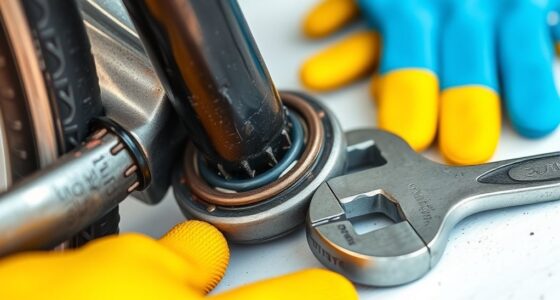
Your maintenance techniques play an essential role in extending the life of your tubeless valves. Regularly inspecting the valves for signs of damage or wear is vital. Look for cracks, corrosion, or any signs of leakage around the valve stem. Keeping the valves clean and free from dirt, mud, or debris helps prevent blockages and corrosion. When installing or removing valves, be gentle to avoid stripping threads or damaging the rubber gaskets, which can lead to leaks and reduce the valve’s lifespan. Applying a small amount of lubricant designed for bicycle components can also help keep the valve functioning smoothly and prevent the rubber seal from drying out. Additionally, understanding the environmental factors that affect your riding conditions can help you select the most suitable valves for longevity. Using high-quality valves made from durable materials can also provide added resistance against environmental stressors. Regularly checking the compatibility of your valves with your tires and rims ensures optimal performance and reduces unnecessary wear.
Regularly inspect, clean, and gently handle valves to extend their lifespan and maintain reliable performance.
Another key maintenance technique involves periodically replacing the rubber grommets or O-rings. Over time, these rubber parts can degrade, leading to air leaks and reduced reliability. Replacing them proactively guarantees your valves stay sealed and function correctly. It’s also smart to check your tire pressure before rides and after any maintenance work. Proper inflation not only improves performance but also minimizes stress on the valve components. Be cautious during inflation; use a pump with a pressure release valve if possible, to prevent over-pressurizing and damaging the valve. Additionally, selecting valves made from durable materials can significantly enhance their longevity and resistance to environmental factors. Using components with corrosion resistance can further extend their service life, especially in wet or muddy conditions. Choosing valves with a corrosion-resistant coating can also add an extra layer of protection against the elements.
Ultimately, the lifespan of your tubeless valves hinges on the quality of the valve materials and how diligently you care for them. By choosing valves made from durable materials and practicing good maintenance techniques—like regular inspections, cleaning, and replacing worn parts—you can maximize their longevity. Remember, even the best valves won’t last forever, but with attentive care, you can guarantee they perform reliably for many riding seasons. Regular upkeep and choosing high-quality components are your best strategies for extending the life of your tubeless valves and maintaining peak performance on every ride.

2PCS Tubeless Valves, Brass Tubeless Valve Stem(40 mm), 1PSC Valve Core Remover Tool
- Durable Brass Construction: Lightweight and sturdy tubeless valves
- Removable Valve Cores: Easy to replace and maintain
- Portable and Lightweight: Compact design for easy carrying
As an affiliate, we earn on qualifying purchases.
As an affiliate, we earn on qualifying purchases.
Frequently Asked Questions
Can Tubeless Valves Be Reused After Removal?
Yes, you can reuse tubeless valves after removal if you check their condition first. When removing the valve, be careful during valve installation to avoid damage. Inspect the rubber seal and valve body for cracks or wear, confirming sealant compatibility remains intact. If the valve is clean, undamaged, and seals properly, reusing it is fine. However, replacing worn or damaged valves guarantees effective sealing and prevents leaks.
How Do Environmental Factors Affect Valve Lifespan?
Environmental factors considerably impact the lifespan of tubeless valves. Exposure to moisture, temperature fluctuations, and UV rays accelerates material degradation, weakening the valve over time. Harsh conditions can cause cracks, leaks, or corrosion, reducing their effectiveness and lifespan. To prolong your valve’s life, store your bike in a cool, dry place and regularly inspect for damage, minimizing environmental impact on the valve’s durability.
Are There Signs Indicating a Valve Needs Replacement?
You’ll notice signs like persistent air leakage, which points to a valve needing replacement. During valve installation, make sure it’s fitted correctly; improper installation can cause leaks over time. If you see cracks or corrosion on the valve or if it’s difficult to maintain air pressure, those are clear indicators it’s time to replace it. Regular checks help prevent sudden failures and keep your tubeless setup reliable.
What Materials Are Tubeless Valves Typically Made Of?
Think of tubeless valves as guardians of your bike’s seal. They’re usually crafted from durable materials like brass, aluminum, or high-quality plastic, each chosen for their resilience. These materials, combined with smart manufacturing, guarantee they stand strong against wear and tear. Their material composition and manufacturing durability help them last longer, but over time, exposure to elements can cause them to weaken. Keep an eye out for signs they’re nearing their end.
Does Regular Maintenance Extend Valve Longevity?
Yes, regular maintenance can extend your tubeless valve’s lifespan. Proper valve installation guarantees a tight seal, preventing leaks that could damage the valve over time. Additionally, using the correct inflation technique helps avoid unnecessary stress on the valve, reducing wear and tear. Periodically inspecting and cleaning the valve keeps it functioning smoothly, ultimately prolonging its durability and assuring reliable performance on your rides.
Conclusion
Remember, your tubeless valve is the gatekeeper to your ride’s comfort and safety. Like a trusty lighthouse guiding ships through fog, a well-maintained valve keeps your tire’s seal intact and prevents surprises on the road. Check it regularly, replace it when needed, and don’t ignore signs of wear. With proper care, your valve will stand as a steadfast sentinel, ensuring smooth sailing on every journey and extending its lifespan well beyond the storm.