
Suspension seatposts appeal to commuters and utility riders because they absorb shocks from rough roads, potholes, and uneven surfaces, making rides smoother and less strenuous. They help reduce vibration transmission, supporting better posture and lowering fatigue during long or daily rides. Plus, adjustable features allow you to customize comfort based on terrain and riding style. If you want to discover how to get the most out of your ride, keep exploring these useful tips.

Get sports gear delivered free with Prime
- Fast, free delivery on millions of items
- Prime Video, Amazon Music and more included
- Member-only deals all year
Key Takeaways
- They absorb shocks from rough roads, enhancing comfort during daily commutes.
- Suspension seatposts reduce fatigue and strain on the back and hips on uneven terrains.
- They improve riding efficiency by smoothing out bumps and jolts.
- Adjustable damping features allow customization for different terrains and rider weights.
- They promote better posture and minimize discomfort over long or challenging rides.
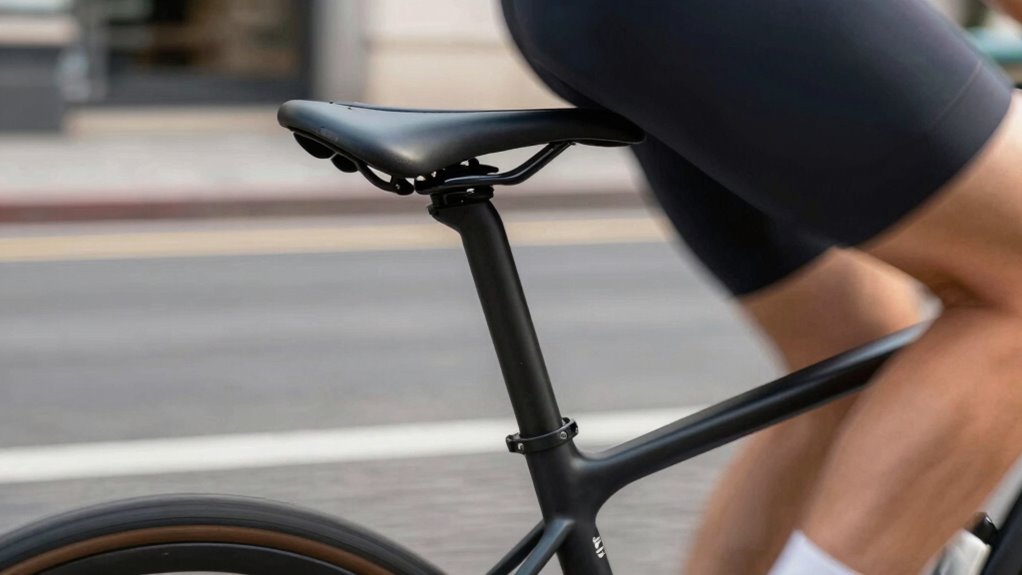
If you spend a lot of time commuting or running utility errands on your bike, a suspension seatpost can make a noticeable difference in comfort. These seatposts absorb shocks from rough roads, potholes, and uneven surfaces, reducing the strain on your lower back and hips. When you’re logging miles daily, ergonomic benefits become critical for preventing fatigue and discomfort. A suspension seatpost helps maintain better posture by cushioning impacts and allowing your body to stay more relaxed during long rides. This added comfort can also help prevent vibration transmission, which is especially important for maintaining overall riding health. Properly installed and adjusted suspension seatposts can also help mitigate the effects of rough terrain, making your rides smoother and less jarring. This not only enhances comfort but can also improve your riding efficiency, making your commute feel less taxing. Additionally, understanding e-bike laws and regulations can help ensure your modifications are legal and safe in your area. Installing a suspension seatpost might seem tricky at first, but with a few tips, you’ll find it straightforward. First, measure your bike’s seat tube diameter accurately to ensure compatibility. Most suspension seatposts specify their size, so double-check that your frame can accommodate the right diameter. Next, remove your old seatpost carefully, noting the insertion depth for reference. When inserting the suspension seatpost, make sure it’s aligned straight and inserted to the proper depth to avoid any wobbling or instability. Tighten the clamp securely, but don’t overtighten, as this can damage the seatpost or your bike frame. Proper installation techniques are essential for safety and performance. Many suspension seatposts come with adjustable damping or preload features. Take the time to fine-tune these settings based on your weight and riding style for maximum comfort. If your model has a lockout feature, experiment with it on smoother surfaces to improve pedaling efficiency. Regular maintenance—such as cleaning and lubricating the suspension components—will prolong its lifespan and ensure consistent performance. Moreover, selecting a suspension seatpost with adjustable settings can enhance your riding experience by customizing the shock absorption to your preferences. The ergonomic benefits of a suspension seatpost extend beyond shock absorption. It reduces vibrations that travel up your spine, helping you stay comfortable during longer rides. That added comfort lessens the likelihood of developing saddle sores or aches, especially when you’re carrying cargo or commuting during adverse weather conditions. Utility riders often face unpredictable terrains and uneven roads, so investing in a suspension seatpost equips you to handle these challenges with ease. Its ability to smooth out rough patches makes your daily routine less stressful and more enjoyable.
As an affiliate, we earn on qualifying purchases.
Frequently Asked Questions
How Long Does a Suspension Seatpost Typically Last?
A suspension seatpost typically lasts around 2 to 5 years, depending on usage and maintenance. You’ll notice it provides better ride comfort and shock absorption over time, especially on rough roads. Regularly check for signs of wear, like reduced responsiveness or leaks, and keep it clean and lubricated. Proper care guarantees your suspension seatpost continues to absorb shocks effectively, giving you a smoother, more comfortable ride for years to come.
Are Suspension Seatposts Suitable for All Bike Types?
Suspension seatposts aren’t suitable for all bike types, mainly due to bike frame compatibility and suspension technology advancements. They work best on mountain bikes or hybrids designed to handle suspension components. If your bike’s frame isn’t compatible or if it lacks the necessary clearance, a suspension seatpost may not fit properly. Always check your bike’s specifications and consult with a bike shop to verify you choose the right suspension technology for your ride.
Do Suspension Seatposts Require Special Maintenance?
Yes, suspension seatposts do require some special maintenance. You should regularly check the design considerations, like the damping mechanism and compression settings, to guarantee smooth performance. Material durability is essential, so inspect for wear or damage and keep the components clean and lubricated. Occasionally, you might need to service or replace internal parts to maintain ideal shock absorption and comfort, especially if you ride frequently or on rough terrain.
Can Suspension Seatposts Be Adjusted for Different Rider Weights?
Ever wondered if you can fine-tune a suspension seatpost for your weight? Absolutely. Many suspension seatposts feature adjustable rebound or preload settings, allowing you to customize shock absorption and rider comfort. By adjusting these, you guarantee peak performance whether you’re lighter or heavier, enhancing shock absorption and making your ride smoother. So yes, you can adapt suspension seatposts to different rider weights, helping you stay comfortable on every journey.
Are Suspension Seatposts More Expensive Than Standard Ones?
Suspension seatposts are generally more expensive than standard ones, mainly due to their advanced material durability and added suspension technology. You’ll find the cost comparison reflects these factors—premium materials and complex mechanisms drive up prices. While they cost more upfront, they offer better comfort and durability during daily commutes, making them a worthwhile investment if you prioritize ride quality and long-term reliability.
Conclusion
If you’re looking to make your daily rides smoother, a suspension seatpost is a smart upgrade—especially since studies show that commuters with better comfort tend to ride more frequently. By absorbing shocks from rough roads, it helps reduce fatigue and makes your journey more enjoyable. Whether you’re steering through busy city streets or uneven paths, investing in a suspension seatpost can transform your ride into a more comfortable and efficient experience every day.
NFL season / tailgating Picks
team gear
As an affiliate, we earn on qualifying purchases.