

To stop overtraining before it halts your progress, you need to monitor key metrics like sleep quality, heart rate variability, mood, and performance fluctuations. Pay attention to how well you’re recovering, notice signs of fatigue or irritability, and track any dips in strength or endurance. Using biometric tools and observing mental states can give you early warning signs. Keep these metrics in check, and you’ll stay on top of your game—there’s more you can do to optimize recovery.
Key Takeaways
- Monitor Heart Rate Variability (HRV) and resting heart rate to detect early signs of fatigue and stress.
- Track sleep quality and recovery rates to ensure proper physiological restoration between workouts.
- Assess mental and emotional states regularly to identify signs of mental fatigue or overtraining.
- Observe performance fluctuations, such as strength or endurance drops, as indicators of excessive training stress.
- Integrate biometric and environmental data for a comprehensive view of stress levels and recovery needs.

Polar H10 Heart Rate Monitor Chest Strap – ANT + Bluetooth, Waterproof HR Sensor for Men and Women, Black, M-XXL
- Compatibility: Works with all HRM-compatible devices
- Accuracy: Highly accurate heart rate measurement
- Connectivity: Bluetooth, ANT+, and 5 kHz support
As an affiliate, we earn on qualifying purchases.
As an affiliate, we earn on qualifying purchases.
Monitoring Your Rest and Sleep Patterns
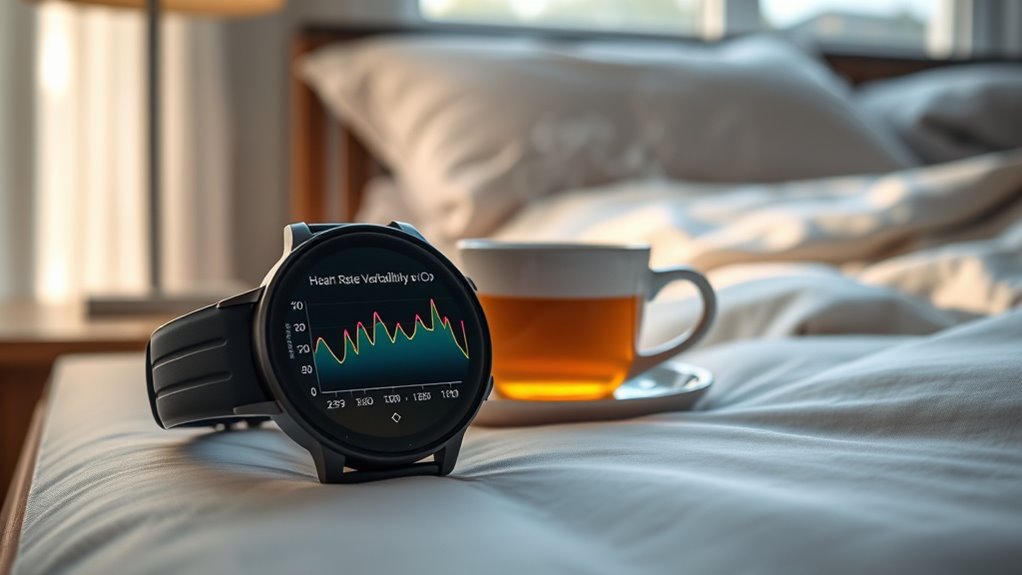
Monitoring your rest and sleep patterns is vital to prevent overtraining and guarantee proper recovery. Good sleep quality helps your body repair muscles, replenish energy, and support immune function. Pay attention to how many hours you sleep and how restful that sleep truly is. Consistently poor sleep can lead to fatigue, decreased performance, and increased injury risk. Incorporating healthy exfoliation routines may also improve your skin health, reducing skin issues caused by stress and fatigue. Additionally, monitoring your sleep can help identify signs of overtraining, allowing you to adjust your workout intensity accordingly. Using sleep trackers or maintaining a sleep journal can help you identify patterns and disruptions more accurately. Recognizing these signs allows you to adjust your training schedule and prioritize rest. Remember, quality sleep isn’t just about quantity; it’s about restorative sleep that prepares your body for the next workout. Utilizing AI-powered health monitoring tools can offer personalized insights to optimize your recovery strategies. Proper rest and nutrition are your best defenses against overtraining.
Tracking Heart Rate Variability

Tracking your heart rate variability (HRV) can provide valuable insights into your body’s recovery status and overall readiness for training. HRV measures fluctuations in your heartbeat, serving as a biological marker for your autonomic nervous system balance. A higher HRV indicates good recovery, while a lower HRV suggests fatigue or stress. By monitoring HRV regularly, you can adjust your recovery strategies proactively, avoiding overtraining. Consider this table:
| HRV Level | Indicator | Action |
|---|---|---|
| High | Well-recovered | Proceed with intense training |
| Moderate | Caution | Include light recovery workouts |
| Low | Fatigue | Prioritize rest and recovery |
Using HRV data helps you optimize training and prevent overtraining, ensuring your body stays resilient and ready for peak performance. Mindfulness practices can also aid in managing stress and supporting recovery efforts. Additionally, integrating advanced monitoring tools can enhance the accuracy of your HRV tracking and recovery assessment, which is especially important as data analytics can improve personalized training plans. Moreover, understanding the role of GMC tuning in vehicle performance highlights the importance of precise adjustments to optimize outcomes, much like tailoring your recovery strategies for optimal results. Regularly reviewing your training metrics ensures that you stay aligned with your fitness goals and avoid the pitfalls of overtraining.
Assessing Mood and Mental State
Your mental state can substantially influence your training performance and recovery. When your emotional stability is compromised, you may notice increased irritability, fatigue, or a lack of motivation—all signs of potential overtraining. Evaluating your mood regularly helps you gauge mental resilience, which is vital for pushing through tough workouts without risking burnout. Take note of your energy levels, stress, and overall outlook. Persistent feelings of anxiety or mood swings can signal that your mental and emotional resources are stretched thin. Maintaining emotional stability supports better recovery and prevents mental fatigue from undermining your progress. Incorporating self-awareness practices can further enhance your ability to recognize early signs of overtraining. Additionally, monitoring your mood and mental state can provide valuable insights into your recovery needs and help prevent overtraining from affecting your overall well-being. Recognizing fluctuations in emotional resilience can be crucial for adjusting your training intensity appropriately. Being mindful of training schedules in relation to your mental health can help you avoid burnout and maintain a sustainable routine. Paying attention to recovery metrics such as sleep quality and stress levels can give you a more comprehensive understanding of your overall condition. By staying aware of these mental cues, you can make informed adjustments to your training, ensuring you stay resilient and avoid the pitfalls of overtraining.
Observing Performance Fluctuations

When emotional well-being begins to waver, it often shows up in your physical performance. You might notice unexpected drops in strength, endurance, or speed, even during familiar workouts. Pay attention to fluctuations in your training intensity—if you find yourself pushing harder one day and struggling the next, it could signal overtraining. Similarly, changes in workout duration, like feeling unusually fatigued after shorter sessions or needing longer recovery times, are clues. These performance variations aren’t just random; they reflect how your body responds to training stress. Tracking these shifts helps you spot early signs of overtraining. Environmental impacts of excessive training, such as increased stress hormone levels and inflammation, can further impair recovery and performance. Regularly monitoring your performance metrics provides valuable insight into your training balance and helps prevent burnout, ensuring optimal recovery and progress. Consistent declines or erratic performance patterns suggest you should adjust your training load to prevent burnout and support ideal recovery.
Recognizing Physical and Biological Signs

Physical and biological signs often reveal the early stages of overtraining before they impact your performance. You might notice persistent muscle soreness that doesn’t improve with rest, signaling your body needs a break. Changes in appetite, whether increased or decreased, can also indicate overtraining, as your body’s stress response affects hunger hormones. You may feel unusually fatigued, even after adequate sleep, or experience mood swings and irritability. Elevated heart rate during rest or exercise, along with trouble concentrating, can be subtle signs your body is under stress. Monitoring these indicators helps you catch overtraining early. Recognizing these signs allows you to adjust your training load proactively, preventing overuse injuries and burnout, and ensuring your progress remains steady and sustainable. Incorporating training metrics can further enhance your ability to detect early signs of overtraining and optimize your recovery strategies. Paying attention to performance data can give you additional insights into your body’s response to training stress. Additionally, understanding your recovery rate can help you determine if your body is adequately recuperating between sessions. Regularly tracking biodiversity in your environment can also provide a broader perspective on stress signals, as a balanced ecosystem often reflects overall health and resilience. Furthermore, integrating biometric monitoring can provide real-time feedback on physiological changes associated with overtraining.
Frequently Asked Questions
How Do I Differentiate Between Normal Fatigue and Overtraining?
When trying to tell apart normal fatigue from overtraining, focus on your rest versus fatigue levels. If you feel constantly exhausted despite adequate rest, it could be overtraining. Pay attention to changes in training intensity—pushing harder without recovery often leads to persistent fatigue. Normal fatigue from tough workouts subsides with rest, but overtraining signs persist, impacting your performance and mood. Listen to your body; it’s your best guide.
Can Nutrition Impact Overtraining Symptoms?
Yes, nutrition can impact overtraining symptoms. Maintaining proper macronutrient balance guarantees your body recovers effectively and reduces fatigue. Adequate carbs, proteins, and fats support energy levels and muscle repair. Additionally, paying attention to supplement timing helps optimize nutrient absorption and recovery, preventing overtraining. When you fuel your body correctly, you’re less likely to experience burnout and overtraining symptoms, keeping your workouts sustainable and effective.
What Role Does Hydration Play in Recovery?
Hydration plays a vital role in your recovery by maintaining hydration balance and supporting electrolyte management. When you stay well-hydrated, your body can efficiently repair muscles, reduce fatigue, and prevent cramps. Proper electrolyte levels help regulate nerve and muscle function, speeding up recovery. Drinking enough fluids and replenishing electrolytes after intense workouts ensures your body stays balanced, helping you bounce back faster and avoid overtraining setbacks.
Are There Specific Signs in My Immune System Indicating Overtraining?
You might notice signs of overtraining in your immune system through changes in immune markers, like increased inflammation or decreased lymphocyte levels. These signs suggest your body’s defenses are weakened, raising your infection risk. Pay attention to frequent colds, slow recovery from illness, or lingering soreness. Tracking these immune markers helps you catch overtraining early, allowing you to adjust your training intensity and prevent compromising your health.
How Long Does It Typically Take to Recover From Overtraining?
Recovery time after overtraining varies based on training duration and intensity. Typically, it takes anywhere from a few days to several weeks for your body to fully recover. If you’ve been overtraining for a prolonged period, expect a longer recovery timeline. During this time, prioritize rest, proper nutrition, and gradual return to activity. Monitoring your energy levels and performance helps gauge when you’re ready to resume training without risking setbacks.
Conclusion
Did you know that overtraining can decrease your immune function by up to 50%? By keeping an eye on your rest, sleep, heart rate variability, and mood, you can catch signs early and avoid setbacks. Remember, listening to your body is key—you’ll boost your performance and stay healthy. Don’t let overtraining stop you; stay vigilant with these metrics and keep pushing forward smarter, not harder.