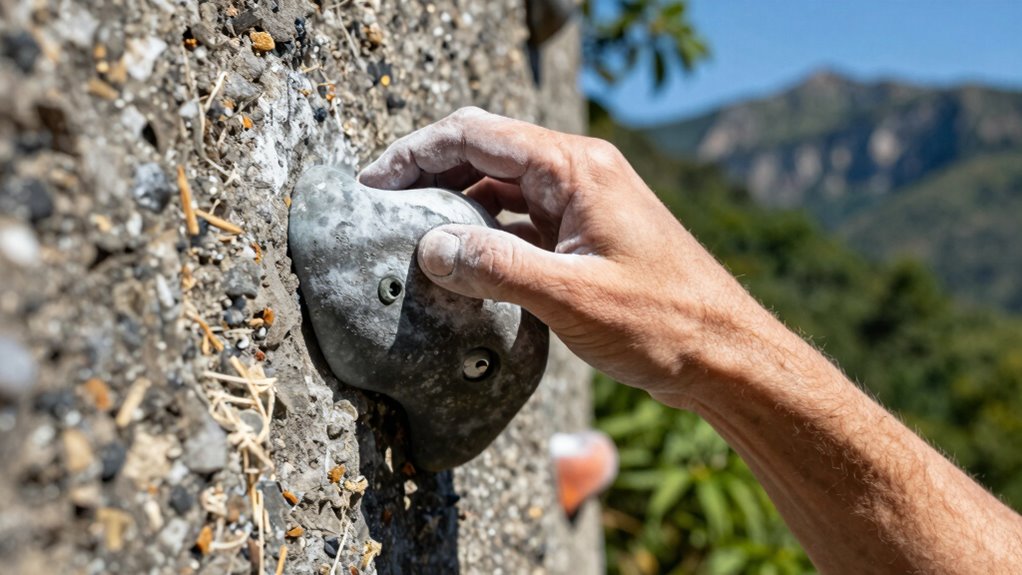

To raise sustainable climbing power, focus on a balanced diet rich in complex carbs, healthy fats, and lean proteins to fuel your muscles and recovery. Prioritize mental resilience through visualization and mindfulness, helping you stay calm and adapt during tough climbs. Incorporate scientific, efficient training methods and guarantee you get enough rest and recovery to prevent injuries. Maintaining good habits and respecting your limits will support long-term growth—keep exploring these strategies to access your full climbing potential.
Key Takeaways
- Prioritize consistent, science-based training focused on strength, endurance, and technique to build sustainable climbing power.
- Incorporate proper nutrition and hydration to support muscle recovery and energy levels.
- Ensure adequate rest and recovery to prevent injuries and promote long-term strength gains.
- Develop mental resilience through visualization, mindfulness, and goal-setting to enhance performance under pressure.
- Maintain a holistic approach by balancing training, nutrition, mental strategies, and environmental awareness.
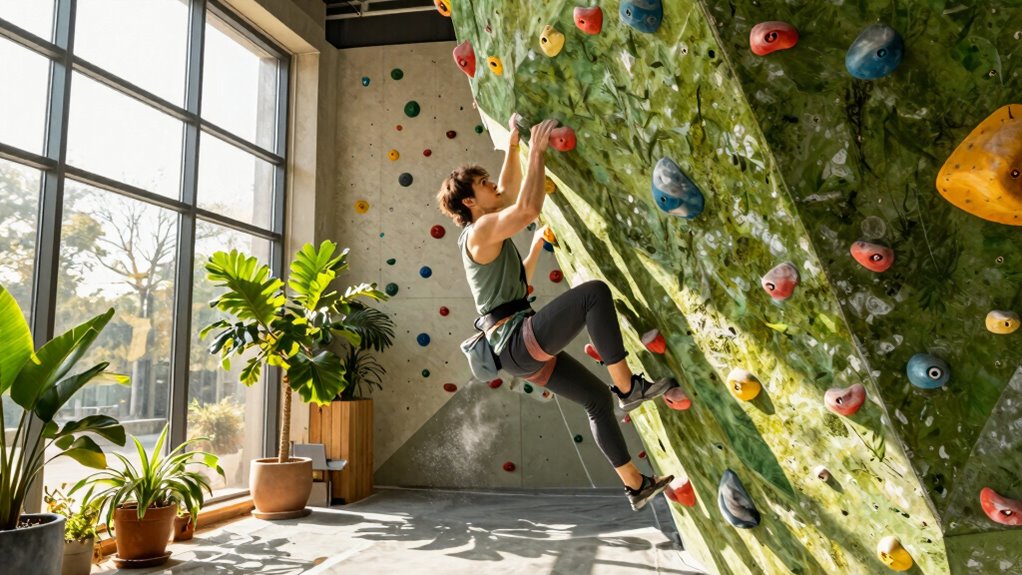
Climbing sustainably isn’t just about protecting the environment; it’s about guaranteeing you can enjoy the sport for years to come. Your approach to climbing should balance performance with responsibility, and that begins with understanding how to build sustainable climbing power. One of the most overlooked aspects is climbing nutrition. Proper nutrition fuels your body, enhances your strength, and accelerates recovery, all of which are essential for long-term progress. Focus on a balanced diet rich in complex carbs, healthy fats, and lean proteins. Hydration is equally important—staying well-hydrated helps maintain stamina and mental clarity during climbs. Avoid processed foods and excessive sugar; they can lead to energy crashes and hinder your endurance. Instead, prioritize whole foods and consider timing your meals around your climbing sessions to maximize energy availability. This consistency not only improves your immediate performance but also prevents burnout and injuries, contributing to the sustainability of your climbing journey. Understanding the importance of climbing nutrition can make a significant difference in your progress and longevity in the sport. Incorporating proper fueling techniques can further optimize your energy levels and overall performance. Developing mental resilience is also crucial—climbing demands focus, patience, and the ability to push through challenging moments. Mental resilience allows you to stay calm under pressure, adapt to setbacks, and keep a growth mindset. Practicing visualization techniques, breathing exercises, and mindfulness can strengthen your mental game. When setbacks occur—like falling on a difficult move—view them as opportunities to learn rather than failures. This shift in perspective helps prevent frustration from derailing your progress and fosters a positive attitude toward challenges. Building mental resilience also involves setting realistic goals and celebrating small victories, which keeps you motivated and prevents burnout. As you become more resilient mentally, you’ll find it easier to maintain consistency in training and climbing, which is essential for sustainable power development. Additionally, incorporating quality training methods based on scientific principles can maximize your efforts and reduce injury risks. Incorporating evidence-based training ensures your workouts are efficient and tailored to your needs, further supporting sustainable growth. Combine these mental strategies with your focus on climbing nutrition, and you create a solid foundation for sustainable climbing. Prioritizing recovery is key—adequate sleep, stretching, and rest days help your body adapt and grow stronger without risking injury. Remember, sustainable climbing power isn’t about quick gains; it’s about steady progress built on good habits, resilience, and respect for your body. By nourishing yourself properly and cultivating mental toughness, you’ll develop a resilient, capable climber who can handle the ups and downs of the sport with grace. This holistic approach ensures that your passion for climbing lasts long into the future, allowing you to continuously improve while respecting the environment and your physical limits.

Eat to Climb: Nutrition for climbers
As an affiliate, we earn on qualifying purchases.
As an affiliate, we earn on qualifying purchases.
Frequently Asked Questions
How Often Should I Incorporate Rest Days Into My Training?
You should incorporate rest days into your training about every 3 to 4 days to optimize climbing technique and prevent injury. Rest days allow your muscles to recover and adapt, enhancing strength and endurance. Skipping rest increases the risk of overuse injuries and hampers progress. Listen to your body, and if you feel persistent fatigue or soreness, add extra rest. Consistent rest supports sustainable climbing power and keeps your training effective.
What Are the Best Nutritional Strategies for Climbing Endurance?
Oh, because nothing says endurance like ignoring your nutrition, right? Actually, you should focus on hydration optimization and carbohydrate loading before climbs. Drink plenty of water and include electrolyte drinks to stay hydrated. Carbohydrate-rich foods like pasta, rice, and fruits fuel your muscles, giving you sustained energy. This combo keeps your stamina high and fatigue low, making your climbing sessions more effective and enjoyable—no secret tricks, just smart nutrition.
How Can Mental Training Improve My Climbing Sustainability?
Mental training enhances your climbing sustainability by helping you stay focused and calm during challenging routes. You can practice mindfulness techniques to stay present and manage anxiety, preventing mental fatigue. Visualization exercises allow you to mentally rehearse moves, boosting confidence and reducing hesitation. Incorporate these practices into your routine to build mental resilience, enabling you to conserve energy, maintain steady effort, and climb more sustainably over longer periods.
What Equipment Modifications Enhance Sustainable Climbing Performance?
To enhance your sustainable climbing performance, focus on equipment modifications like prioritizing gear optimization and durability. Use lightweight, high-quality gear to reduce fatigue, and choose durable materials that withstand repeated use without failure. Regularly inspect and maintain your equipment to prevent accidents and guarantee reliability. Optimizing your gear setup helps conserve energy, minimizes gear failures, and promotes long-term sustainability, making your climbs more efficient and enjoyable.
How Does Sleep Quality Impact Climbing Power Development?
Good sleep quality considerably boosts your climbing power development. Prioritize sleep hygiene by sticking to a consistent sleep schedule, creating a relaxing bedtime routine, and minimizing screen time before bed. Rest recovery is essential; it allows your muscles to repair and grow stronger, enhancing endurance and strength. When you get quality sleep, you wake up more energized, focused, and ready to improve your climbing performance sustainably.
Conclusion
By focusing on consistent, mindful training, you can substantially boost your climbing endurance and strength. Did you know that climbers who incorporate sustainable practices improve their power output by up to 30% over six months? Remember, patience and persistence are key. Keep challenging yourself gradually, listen to your body, and stay committed to your training. With dedication, you’ll not only climb higher but do so sustainably, enjoying the sport for years to come.