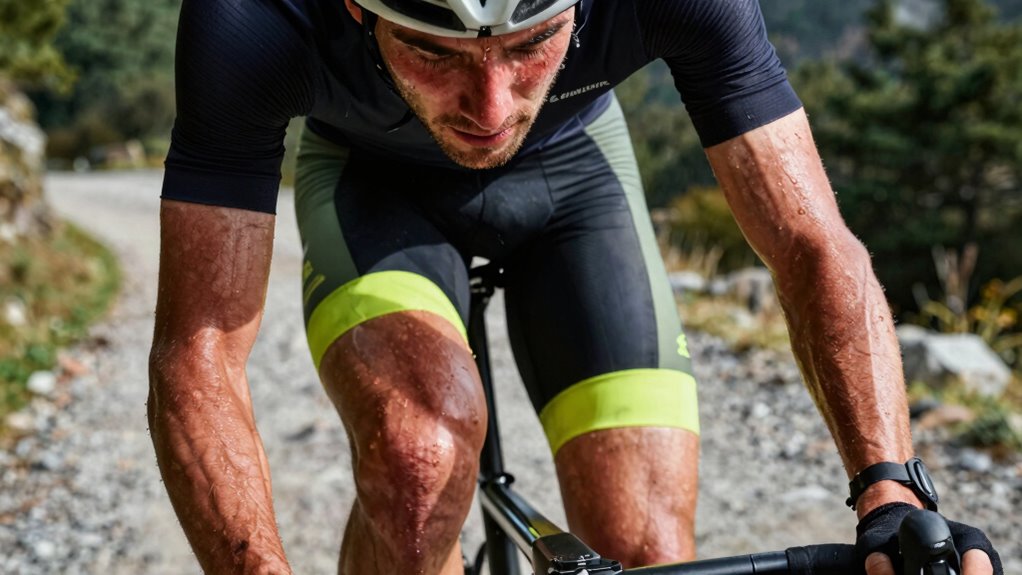

Your body responds differently to training stress, so some cyclists need more rest to recover fully. Factors like training intensity, overall fitness, and individual physiology influence how quickly muscles heal and energy stores replenish. Pushing too hard without enough recovery can cause ongoing fatigue, soreness, or injuries. Recognizing your personal signals and adjusting your rest periods helps prevent overtraining. If you keep going, you’ll discover more ways to optimize your recovery and perform at your best.
Open a free Amazon Business account
Business pricing, bulk buying and tax-exempt orders.
As an affiliate, we earn on qualifying purchases.
Key Takeaways
- Individual physiology affects muscle repair speed and energy replenishment, influencing rest needs.
- Higher training intensity and volume increase recovery requirements for some cyclists.
- Fitness level and resilience determine how quickly a cyclist recovers from training stress.
- Signs of ongoing fatigue or soreness indicate a need for additional rest to prevent overtraining.
- Stress levels and sleep quality significantly impact recovery, requiring more rest for some cyclists.

Not all cyclists recover at the same rate, and understanding why some need more rest than others can improve your training and performance. Your body’s ability to bounce back from intense rides depends heavily on factors like training intensity, overall fitness, and individual physiology. When you push yourself hard during rides, especially with high training intensity, your muscles endure micro-tears and glycogen depletion. Without proper recovery strategies, these small damages can accumulate, leading to fatigue, decreased performance, or even injury over time. Recognizing your personal limits and adjusting your recovery routines accordingly can help you avoid burnout and maximize gains.
Not all cyclists recover equally; personalized recovery is essential for optimal performance and injury prevention.
The key to essential recovery lies in tailoring recovery strategies to your specific needs. If you notice persistent soreness, sluggishness, or difficulty hitting your usual power levels, it’s a sign you might need more rest. Incorporate active recovery days, where instead of complete rest, you engage in light riding or cross-training. This keeps blood flowing, helping your muscles repair faster without adding additional stress. Proper nutrition also plays a critical role; consuming enough protein, carbohydrates, and electrolytes replenishes depleted stores and supports muscle repair. Hydration is equally important, as dehydration can prolong recovery times and impair your performance.
Understanding your body’s responses to training helps you develop smarter recovery strategies. Rest isn’t just about taking days off; it involves listening to your body’s signals. If you feel unusually fatigued or notice a decline in performance, consider adjusting your training intensity or adding more rest days. Sometimes, a lower training intensity or a deload week can give your nervous system and muscles the time they need to fully recover. Avoid the temptation to push through fatigue, as doing so may lead to overtraining, which can set back your progress and increase injury risk. Additionally, incorporating adequate sleep and stress management techniques can significantly influence your recovery speed and effectiveness. Recognizing the importance of individual physiology can help you customize your recovery approach for optimal results. Maintaining a balanced training load is also crucial to prevent overtraining and support ongoing recovery. Paying attention to training volume and how your body responds can further optimize your recovery process and overall performance.
As an affiliate, we earn on qualifying purchases.
Frequently Asked Questions
How Does Age Affect a Cyclist’s Rest Requirements?
As you age, your rest needs increase because your recovery processes slow down. You should focus on tailored nutrition strategies and maintaining proper hydration levels to support recovery. Listening to your body becomes essential, as older cyclists might experience fatigue sooner. Prioritize rest, incorporate adequate nutrition, and stay well-hydrated to optimize recovery and performance, ensuring you avoid overtraining and injury.
Can Mental Fatigue Influence Physical Recovery Needs?
Mental fatigue can definitely influence your physical recovery needs. When your mental resilience dips, your sleep quality often worsens, hindering muscle repair and energy restoration. If you’re mentally drained, your body struggles to recover fully from cycling sessions. Prioritizing mental wellness, managing stress, and ensuring good sleep quality help your body recover faster and keep you cycling at your best. So, mental fatigue isn’t just in your head; it impacts your physical health too.
What Role Do Genetics Play in Recovery Times?
Genetics play a significant role in recovery times because your genetic predispositions influence how quickly your body repairs itself. Recovery variability varies from person to person, with some cyclists naturally healing faster due to favorable genetics. You might notice differences in muscle repair, inflammation response, and energy restoration. Understanding your genetic makeup can help tailor your training and rest periods, ensuring you optimize recovery and avoid overtraining.
How Do Environmental Factors Impact Rest Needs?
Environmental factors, like environmental stress and climate adaptation, are like a storm affecting your ride. When you face extreme heat, cold, or pollution, your body works harder to recover, increasing rest needs. These conditions strain your muscles and immune system, making recovery slower. You need more rest to adapt and perform well. Understanding these influences helps you plan your rides wisely, ensuring your body recovers fully after each effort.
Does the Type of Cycling Terrain Change Rest Requirements?
Yes, the type of cycling terrain affects your rest requirements. When you encounter terrain variation, like hills or rough trails, your body works harder, increasing fatigue. You’ll likely need longer rest duration to recover effectively. On flat, smooth surfaces, your rides are less strenuous, so shorter rests suffice. Adjust your rest based on terrain to maintain energy and prevent overexertion, ensuring you stay safe and enjoy your ride.
Conclusion
So, next time you hit the pedals, ask yourself: are you giving your body enough time to recover? Every cyclist’s needs differ, and listening to your body is key. Rest isn’t a sign of weakness but a crucial part of improvement. Don’t push too hard without proper recovery—your performance and health depend on it. After all, isn’t cycling about enjoying the ride, not just finishing it?
Fall Picks
fall essentials
As an affiliate, we earn on qualifying purchases.