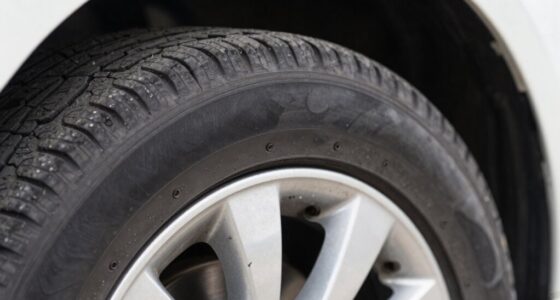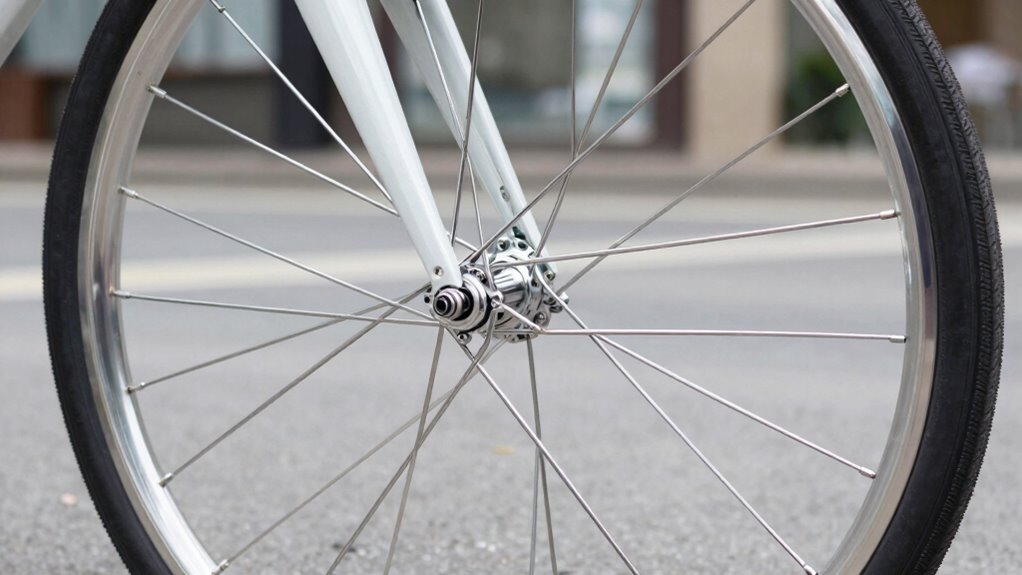

Understanding wheel stiffness helps you choose the right setup for your riding style and terrain. Stiffer wheels improve responsiveness and handling, especially on technical trails or racing, while softer wheels offer comfort and better shock absorption for rough terrains or long rides. Tire pressure also affects stiffness, with higher pressure making wheels feel firmer. Properly matching wheel stiffness with suspension and terrain guarantees you get the best performance and control—something you’ll explore further as you continue your journey.

Get sports gear delivered free with Prime
- Fast, free delivery on millions of items
- Prime Video, Amazon Music and more included
- Member-only deals all year
Key Takeaways
- Wheel stiffness affects ride comfort, handling, and control, with softer wheels providing more shock absorption and stiffer wheels offering responsiveness.
- Matching wheel stiffness with suspension setup and tire pressure optimizes performance for different terrains and riding styles.
- Higher tire pressure increases perceived stiffness, suitable for smooth surfaces; lower pressure enhances comfort on rough terrain.
- Material properties influence wheel stiffness, allowing customization based on riding conditions and personal preferences.
- Properly balanced wheel stiffness improves overall bike performance, safety, and rider enjoyment across varied riding environments.
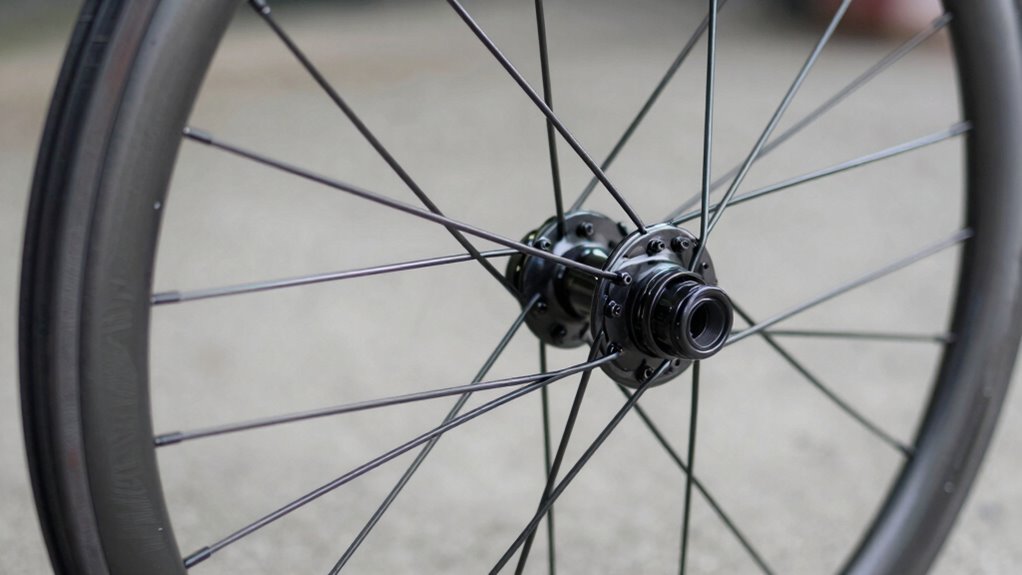
When choosing wheels for your bike, understanding wheel stiffness is essential because it directly impacts your ride quality and performance. Stiffness determines how much your wheels flex under load, which influences everything from handling to comfort. If your wheels are too soft, you might notice a sluggish feel and less precise steering. Conversely, overly stiff wheels can make your ride jarring, especially on rough terrain. To strike the right balance, you need to consider how wheel stiffness interacts with other factors like suspension tuning and tire pressure.
Suspension tuning plays a crucial role in how your wheels perform, especially if your bike has suspension components. When you adjust your suspension for different terrains or riding styles, you’re effectively changing the amount of shock absorption. Stiffer wheels complement a more aggressive suspension setup, providing quick responsiveness and precise control. On the other hand, softer wheels can work better with a softer suspension, offering a smoother ride over bumps. It’s important to match your wheel stiffness with your suspension settings to optimize overall ride quality. Ignoring this relationship might lead to a mismatch, resulting in less control or increased fatigue.
Tire pressure also affects how wheel stiffness feels during your ride. Higher tire pressure generally makes your wheels feel stiffer, reducing flex and providing better energy transfer. This setup is ideal for smooth, fast riding surfaces where minimal flex is desired. Lower tire pressure, meanwhile, allows for more flex and a softer ride, which can help absorb shocks and improve traction on uneven terrain. When adjusting your tire pressure, keep in mind that it influences the effective stiffness of your wheels. Properly balancing tire pressure with your wheel stiffness ensures you maintain comfort without sacrificing control. Additionally, the interaction of wheel stiffness with terrain can significantly affect your riding experience. Being aware of material properties and their influence on stiffness can also help you choose the best wheels for your needs.
Ultimately, understanding how wheel stiffness interacts with suspension tuning and tire pressure helps you customize your bike to your riding style and terrain. If you’re tackling technical trails or racing, stiffer wheels combined with appropriate suspension settings and higher tire pressures might give you the responsiveness you need. For longer rides or rougher terrain, softer wheels paired with lower tire pressures and a more forgiving suspension can boost comfort. Fine-tuning these elements allows you to achieve a ride that’s both efficient and enjoyable. Recognizing the subtle yet significant influence of wheel stiffness empowers you to make smarter choices, ultimately elevating your riding experience.
mountain bike wheels stiff vs soft
As an affiliate, we earn on qualifying purchases.
As an affiliate, we earn on qualifying purchases.
Frequently Asked Questions
How Does Wheel Stiffness Affect Bike Handling in Different Terrains?
Wheel stiffness substantially impacts your bike handling across terrains. Stiffer wheels provide precise steering on smooth surfaces and better power transfer, but may reduce comfort on rough terrain. If your bike’s suspension isn’t compatible, stiff wheels might cause a rough ride. Additionally, consider aesthetic preferences—some wheel designs look sleeker when stiffer. Balance your needs for handling, suspension compatibility, and aesthetics to choose the ideal stiffness for your riding style.
Can Wheel Stiffness Influence Rider Fatigue Over Long Distances?
Wheel stiffness can influence your fatigue during long rides by affecting ergonomic comfort and vibration absorption. Stiffer wheels transmit more road vibrations, leading to quicker fatigue and discomfort, especially on rough terrains. Conversely, more flexible wheels absorb shocks better, reducing strain on your hands, arms, and back. So, choosing the right wheel stiffness helps you ride longer with less fatigue, making your journey more comfortable and enjoyable.
Is Higher Wheel Stiffness Better for Sprinting or Climbing?
Higher wheel stiffness is better for sprinting because it enhances aerodynamic efficiency and power transfer, allowing you to accelerate quickly. Stiffer wheels reduce flex under high forces, maximizing energy transfer and maintaining stability at high speeds. For climbing, lower stiffness offers a weight reduction advantage, making it easier to ascend. Overall, choose stiffer wheels for sprints to optimize speed and efficiency, while more flexible options suit climbs better.
How Do Different Wheel Materials Impact Stiffness and Ride Quality?
Imagine your bike’s wheels like a musical instrument’s strings—different materials produce distinct tones. Carbon wheels offer high stiffness, boosting aerodynamics efficiency and responsiveness, but can feel harsher, affecting ride quality. Aluminum wheels provide more flexibility, enhancing tire grip and comfort but may sacrifice a bit of stiffness. Your choice impacts how smoothly you ride and how well you grip the road, so pick based on your riding style and terrain.
Does Wheel Stiffness Impact the Longevity of Bike Components?
Yes, wheel stiffness can impact the longevity of bike components. A stiffer wheel transfers more force directly to the frame and components, which can lead to increased component wear over time. Conversely, less stiff wheels absorb shocks better, reducing stress on parts like hubs and spokes. Properly matched wheel stiffness enhances wheel durability and minimizes component fatigue, ultimately extending your bike’s overall lifespan and ensuring a smoother, more reliable ride.
Conclusion
Remember, choosing the right wheel stiffness isn’t just about comfort—it’s about mastering control, much like a knight wielding a finely crafted sword. Think of your bike’s wheels as a trusted steed, responding to your commands with precision. When you select the appropriate stiffness, you’re better equipped to conquer every ride, whether it’s a swift sprint or a rugged trail. In the end, the right choice sets the stage for your own heroic journey on two wheels.
NFL season / tailgating Picks
team gear
As an affiliate, we earn on qualifying purchases.