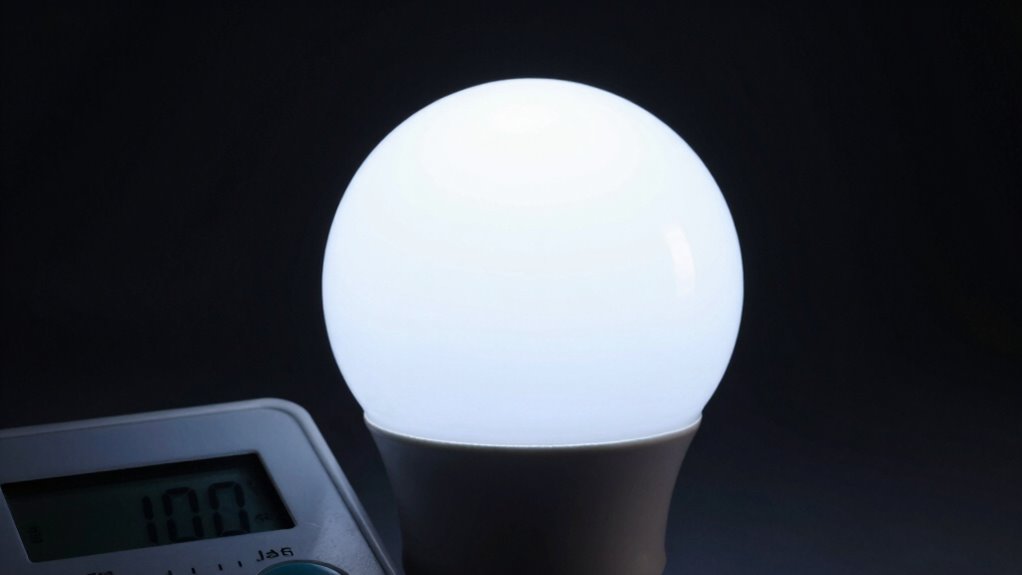

If you think high lumens mean your light is bright enough, you’re missing key details. Lumens measure total light output, but how that light is distributed and the surface area it hits matters more. Lux shows how much light actually reaches a specific space. Even with bright lumens, poor distribution or wrong color temperature can make a space feel dull or harsh. Keep exploring to discover how to choose lighting that truly illuminates and feels right.

Get sports gear delivered free with Prime
- Fast, free delivery on millions of items
- Prime Video, Amazon Music and more included
- Member-only deals all year
Key Takeaways
- High lumens don’t guarantee effective lighting if the light isn’t properly distributed or directed.
- Lux measures how much light reaches a specific area, affecting how bright a space actually feels.
- Poor beam angles or uneven distribution can make a bulb seem dim even with high lumens.
- Light color temperature influences perceived brightness; cooler lights appear brighter but may feel harsh.
- Energy-efficient LEDs can produce high lumens without wasting power, ensuring brightness without inefficiency.
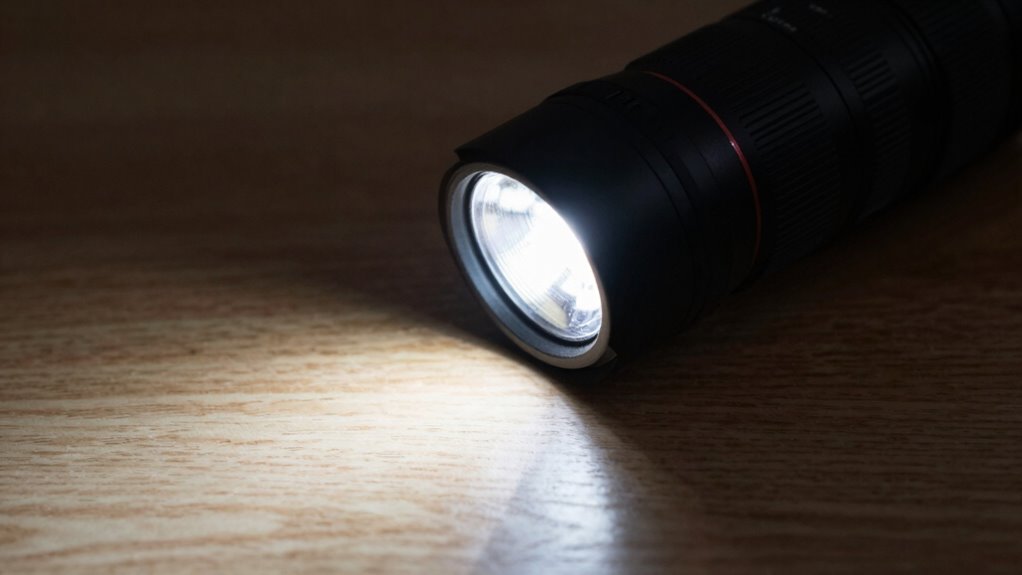
When choosing lighting for a space, understanding the difference between lumens and lux is essential. Lumens measure the total amount of visible light emitted by a source, giving you an idea of how bright the bulb itself is. Lux, on the other hand, measures the light intensity on a specific surface area, indicating how much light actually reaches and illuminates that space. This distinction is fundamental because a bulb with high lumens doesn’t necessarily mean your room will be well-lit. It’s about how that light is distributed and how it interacts with your environment. Recognizing light distribution patterns can help you select the most effective lighting setup for your needs. Light color plays a key role in how you perceive brightness and ambiance. A cool white or daylight bulb might seem brighter or more energetic but can sometimes feel harsh or sterile, especially if it’s not matched to the space’s purpose. Warmer tones create a cozy atmosphere but might appear dimmer even if they have comparable lumens. When selecting bulbs, pay attention to the color temperature, as it influences the perceived brightness and comfort of the room. The right light color combined with an appropriate lux level guarantees your space feels inviting without overstimulating or underlighting. Power consumption is another important factor that ties into how effective your lighting is. A bulb might produce a high lumen output but also consume a lot of energy, leading to higher electricity bills. Conversely, energy-efficient LEDs can deliver bright light with considerably less power consumption, making them ideal for long-term savings. When considering lumens, look for the balance between brightness and efficiency; don’t assume higher lumens always mean better performance if it means increased power use. Properly calculating the lux level needed for your specific space helps prevent over- or under-lighting, which can waste energy and reduce comfort. Imagine you’re trying to brighten a workspace. You might see a bulb advertised as “bright” because it emits many lumens. But if that light isn’t well-distributed—say, it produces a high lumen output but has a poor beam angle—you’ll end up with uneven lighting that feels dimmer in certain areas. Also, if that bulb consumes a lot of power, you’re paying more for electricity without necessarily improving the lighting quality. On the flip side, a lower-lumen bulb with better light distribution and a suitable color temperature might provide the same perceived brightness while saving energy and creating a more comfortable environment. Ultimately, understanding how lumens, lux, light color, and power consumption work together helps you make smarter lighting choices. It’s not just about how “bright” a bulb appears but how effectively that brightness reaches and enhances the space you’re illuminating. Instead of being fooled by high lumen ratings alone, consider the actual lux levels needed for your setting, the color that sets the right mood, and the power consumption that keeps your energy bills in check. That way, your “bright” light won’t just look good on paper—it’ll genuinely improve your space.
LED bulbs with adjustable beam angle
As an affiliate, we earn on qualifying purchases.
As an affiliate, we earn on qualifying purchases.
Frequently Asked Questions
How Do Color Temperature and CRI Affect Perceived Brightness?
Color temperature and CRI influence how you perceive brightness by affecting color perception and light warmth. Higher color temperatures (bluer light) can make a space feel cooler but brighter, while lower temperatures (warmer light) create a cozy atmosphere. A high CRI guarantees colors appear more natural, enhancing perceived brightness. So, choosing the right color temperature and CRI helps you experience a more vibrant, well-lit environment, even if lumen output stays the same.
Can Two Lights With the Same Lumens Appear Differently Bright?
Yes, two lights with the same lumens can appear differently bright because of color perception and glare management. You might notice one light seems dimmer or harsher due to differences in color temperature or CRI, which affect how your eyes interpret brightness. Proper glare management also plays a role, as excessive glare can make a light feel less comfortable and less bright, even if the lumen output is identical.
Does Room Size Impact the Effectiveness of Lumens and Lux?
When it comes to lighting, size really does matter. Room dimensions and ceiling height influence how effective lumens and lux are, since a larger space or higher ceiling can make your lights seem dimmer than they are. You need to take these factors into account to get the right brightness. Otherwise, you’re just fighting a losing battle, and your space won’t feel as bright or welcoming as you’d like.
How Does Light Distribution Influence Perceived Brightness?
Light distribution greatly influences perceived brightness by creating light uniformity across a space. When a fixture has a wide beam angle, it spreads light evenly, making the area look brighter and more inviting. Conversely, a narrow beam angle can cause uneven lighting, making some spots appear dimmer. You should choose fixtures with appropriate beam angles to guarantee balanced light distribution, which enhances overall brightness perception and reduces harsh shadows.
Are Higher Lumen or Lux Ratings Always Better for Visibility?
Higher lumen or lux ratings aren’t always better for visibility if the beam angle is narrow, causing uneven light distribution. A wider beam spreads light more evenly, improving perception. Also, consider color rendering; lights with poor color accuracy can make environments look dull, regardless of brightness. So, choose a light with appropriate lumen or lux levels, a suitable beam angle, and good color rendering to guarantee ideal visibility and a pleasant environment.
Conclusion
So, next time you think a light is bright enough, remember: lumens and lux tell different stories. You might be dazzled by high lumen numbers, but if the lux isn’t right where you need it, your space still feels dull. Will you prioritize raw brightness or measured illumination? The truth is, understanding these differences could change everything. The question is—are you ready to see your world in a new light? The answer might just surprise you.
Fall Picks
fall essentials
As an affiliate, we earn on qualifying purchases.